The Lalibela, Ethiopia’s “New Jerusalem,” where 11 incredible rock-hewn churches transport you back to the 12th century. These awe-inspiring structures were carved down into the earth, hidden from view yet bursting with history, spirituality, and artistry. Whether you’re a history buff, an adventurer, or simply looking to experience something extraordinary, Lalibela offers a once-in-a-lifetime journey into Ethiopia’s rich heritage. Let’s dive into this mesmerizing wonder!
Located in northern Ethiopia, Lalibela is home to one of the most extraordinary displays of medieval engineering and artistry in the world. These rock-hewn churches were commissioned by King Lalibela in the 12th century as a symbol of Ethiopian Christianity, and they continue to serve as active places of worship today. The city of Lalibela was intended to be a “New Jerusalem” for Ethiopian Christians, who were unable to make the pilgrimage to the Holy Land due to Islamic conquests at the time.
Each church is carved from a single block of volcanic rock, cut into intricate designs with tunnels, windows, and hidden passages connecting the structures. The fact that these churches were carved by hand over 900 years ago makes them even more remarkable. A UNESCO World Heritage Site, Lalibela attracts pilgrims and tourists alike, but despite its growing fame, it still feels like an untouched corner of the world.
Main Attraction: The 11 Rock-Hewn Churches
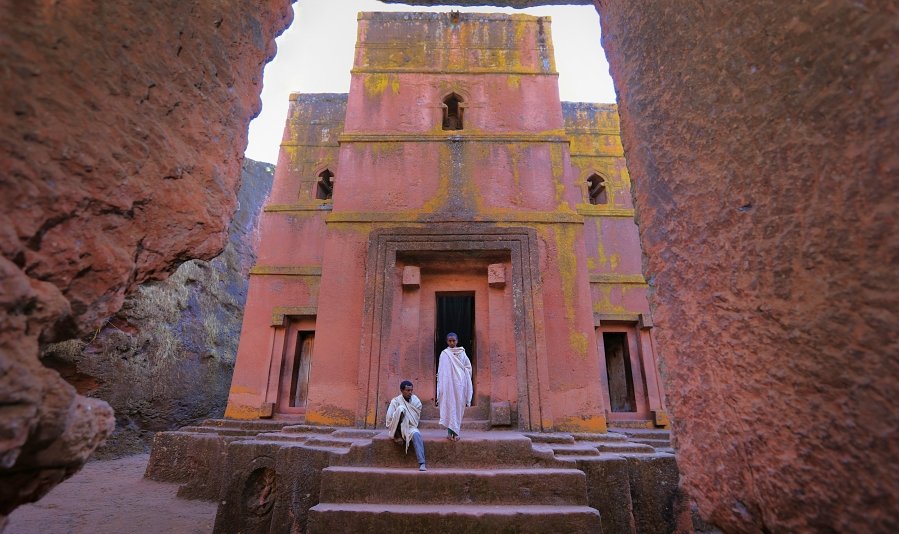
The real star of the show in Lalibela is, of course, the 11 rock-hewn churches. Divided into two main groups and connected by a maze of tunnels, these churches are like nothing else you’ve ever seen. The most famous is Bete Giyorgis (Church of St. George), instantly recognizable by its perfect cross shape when viewed from above. Carved down into the ground, this church is a masterpiece of architecture and religious symbolism.
Other highlights include Bete Medhane Alem, the largest monolithic church in the world, and Bete Maryam, which features detailed frescoes and carvings on its interior walls. Walking through the narrow tunnels that connect the churches, you’ll feel like you’ve entered a different era, especially as you hear the chants of priests and see pilgrims draped in white robes praying within these ancient walls.
One of the most striking aspects of the Lalibela churches is how functional they remain. They’re not just historical monuments; they’re living, breathing places of worship, and visiting during religious festivals like Genna (Ethiopian Christmas) offers a truly unforgettable experience as thousands of pilgrims gather to celebrate.
Off-the-Beaten-Path Recommendations: Secret Tunnels and Lesser-Known Churches
While most visitors flock to the major churches, there are hidden gems in Lalibela that offer a quieter, more intimate experience. Beyond the main churches, Bete Abba Libanos is a small but beautiful church carved into the side of a mountain, providing a more secluded and reflective experience.
For those with a sense of adventure, there are secret tunnels and hidden passageways that connect some of the churches. If you’re lucky, your guide might take you down one of these narrow, winding routes, where you can get a closer look at the intricate carving work and feel the eerie, ancient silence of the hidden rooms.
Another lesser-known spot is the Ashetan Maryam Monastery, located on a nearby mountain. It’s a challenging hike, but the stunning views and sense of serenity at the top make it worth the effort. Plus, you’ll be far away from the crowds, enjoying Lalibela from a different perspective.
Travel Tips and Practical Information:
- Best Time to Visit: The best time to visit is during the dry season (October to March), when the weather is cooler and hiking is easier. However, if you want to experience the religious festivals, visit in January for Genna or Timkat (Ethiopian Epiphany).
- Getting There: Lalibela has a small airport with flights from Addis Ababa. From the airport, it’s a short drive to the town.
- Guides: Hiring a local guide is a must to get the full experience. Not only will they explain the historical significance, but they also know the hidden spots and best times to visit the churches.
- What to Bring: Comfortable shoes for walking, sunscreen, and water. Be respectful of the local customs by dressing modestly—long sleeves and pants are recommended, especially when entering the churches.
Nearby Points of Interest & Landmarks:
- Yemrehanna Kristos Church: Just a short drive from Lalibela, this lesser-known cave church predates the rock-hewn churches and is set in a stunning mountain landscape. Built inside a natural cave, it’s a unique experience and offers a quieter alternative to the main site.
- Na’akuto La’ab Monastery: Located about 5 kilometers from Lalibela, this small but fascinating monastery is built into a cliff and is famous for its holy water, which is said to have healing properties.
- Mount Abuna Yosef: For those who love hiking, the trek to the top of this mountain offers breathtaking views of the Ethiopian highlands and an opportunity to see wildlife like the rare Gelada baboons.
Final Thoughts:
The rock-hewn churches of Lalibela are not just a destination—they’re an experience that leaves a lasting impression on every visitor. From the stunning architectural achievements to the profound sense of spirituality that permeates the air, Lalibela offers a journey into Ethiopia’s past, present, and soul. Whether you’re marveling at the iconic cross-shaped Church of St. George or exploring hidden passageways and mountain monasteries, every corner of Lalibela tells a story of devotion, artistry, and timeless wonder. It’s a place that should be on every traveler’s bucket list—so why not start planning your trip to Lalibela today?