Located in the heart of Romania’s enchanting Orăștie Mountains lies a hidden treasure of history and mystery: Sarmizegetusa Regia, the ancient capital of the Dacian Kingdom. Once a powerful center of culture, trade, and defense, this UNESCO World Heritage Site is a breathtaking mix of natural beauty and architectural ingenuity. If you’re a fan of history, archaeology, or simply stunning mountain escapes, Sarmizegetusa Regia is a destination you can’t afford to miss.
Walking through its weathered ruins, you’re not just sightseeing; you’re time-traveling. You can almost hear the bustling markets, the solemn prayers at the sanctuaries, and the sound of Dacian warriors preparing for battle against the mighty Roman Empire. Intrigued? Let’s dive into the fascinating world of this ancient stronghold and find out why it’s a must-visit.
A Glimpse into History
Long before Romania became synonymous with Dracula and medieval castles, it was home to the Dacians—a proud and advanced civilization. Sarmizegetusa Regia served as the political, religious, and military heart of the Dacian Kingdom during the 1st century BCE to the 2nd century CE.
Built at an altitude of 1,200 meters, this fortified city was a masterpiece of engineering, blending natural defenses with carefully designed stone and timber fortifications. It was also the hub of an advanced culture that included skilled metalwork, astronomy, and agriculture.
However, the glory of Sarmizegetusa Regia was short-lived. In 106 CE, after fierce battles, the Roman Empire conquered Dacia, marking the end of this great civilization. Today, the site stands as a hauntingly beautiful reminder of a once-thriving kingdom.
Description of the Site
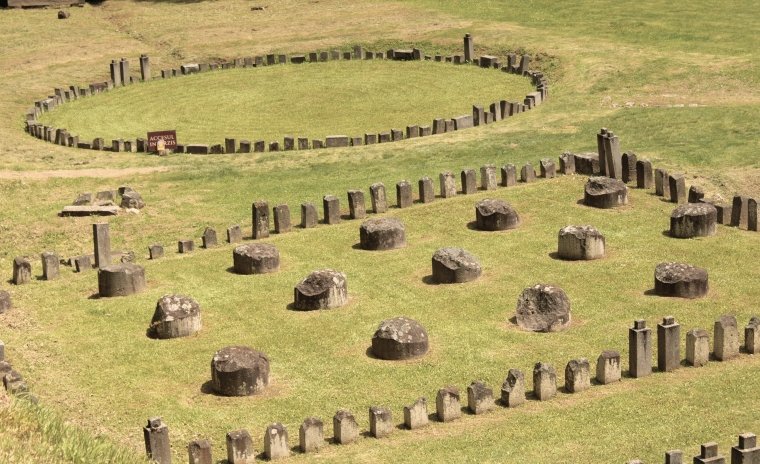
Walking into Sarmizegetusa Regia feels like stepping into a Tolkien-esque world. The site comprises a series of terraces cut into the mountainside, each serving distinct purposes.
- The Sacred Zone: At the heart of the site lies the Sacred Zone, home to several circular and rectangular stone sanctuaries. These were likely used for astronomical observations and religious ceremonies.
- The Citadel: The fortified center of the city, complete with stone walls and watchtowers.
- Residential Areas: Surrounding the citadel are terraces that once held homes, workshops, and marketplaces.
- The Famous Stone Paved Road: An ancient, well-preserved road leading to the heart of the city—testament to Dacian engineering skills.
The blend of functionality and spirituality here is striking, showcasing a deep connection between the Dacians and their natural surroundings.
Usage Through the Ages
Though its prime era was during the Dacian Kingdom, Sarmizegetusa Regia didn’t vanish from history after the Roman conquest. It became part of the Roman province of Dacia, although its significance diminished.
During the Middle Ages and modern times, it was largely abandoned, but it remained a sacred place for local communities who visited it for cultural and spiritual reasons. Today, it’s an archaeological site that attracts visitors from all over the world.
Interesting Facts About Sarmizegetusa Regia
- Advanced Engineering: The Dacians incorporated an underground water supply system, ensuring the city could withstand sieges.
- Astronomy Meets Religion: The stone sanctuaries align with celestial events, suggesting the Dacians were skilled astronomers.
- A Sacred Calendar: The circular sanctuary is believed to have been a solar calendar, used for agricultural and religious purposes.
- Lost and Found: The site was rediscovered in the 20th century and has since undergone extensive restoration.
- Hollywood Vibes: Sarmizegetusa Regia’s otherworldly atmosphere has inspired filmmakers and writers.
Activities for Visitors
Visiting Sarmizegetusa Regia is more than just sightseeing; it’s an experience.
- Explore the Ruins: Walk through the ancient sanctuaries, citadel, and terraces.
- Nature Trails: The surrounding forest offers breathtaking hiking paths and photo ops.
- Guided Tours: Learn the fascinating history from experts who bring the site to life.
- Meditation and Stargazing: With its serene vibe and lack of light pollution, it’s a great spot for quiet reflection or observing the night sky.
- Archaeological Workshops: Some programs allow visitors to engage in hands-on history.
Getting There
Reaching Sarmizegetusa Regia isn’t difficult but requires a bit of planning. Here’s how to make it happen:
- By Car: The site is about a 2-hour drive from Deva or Hunedoara. A scenic mountain road takes you close to the ruins.
- By Public Transport: Take a train or bus to Orăștie or Hunedoara, then hire a taxi or join a tour.
- By Guided Tour: Several operators offer day trips from major cities like Sibiu or Cluj-Napoca.
Nearby Points of Interest and Landmarks
Why stop at Sarmizegetusa Regia? The area is rich with history and natural beauty:
- Colonia Ulpia Traiana Sarmizegetusa: The Roman capital of Dacia, about 40 km away.
- Hunedoara Castle (Corvin Castle): A Gothic masterpiece perfect for a day trip.
- Retezat National Park: A paradise for hikers and nature lovers.
- Prislop Monastery: A spiritual retreat nestled in the mountains.
- Orăștie Mountains: Explore other Dacian fortresses like Costești and Blidaru.
Final Thoughts
Sarmizegetusa Regia isn’t just a site; it’s a story. It’s the tale of a resilient civilization, of battles fought and lost, and of a connection to nature that modern times often forget. Whether you’re a history enthusiast, an adventurer, or someone seeking a unique escape, this ancient stronghold offers an unforgettable journey into Romania’s rich past.
Pack your hiking boots, grab a camera, and get ready to uncover the secrets of Sarmizegetusa Regia. It’s not just a trip—it’s a time machine