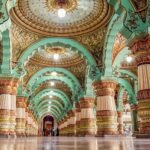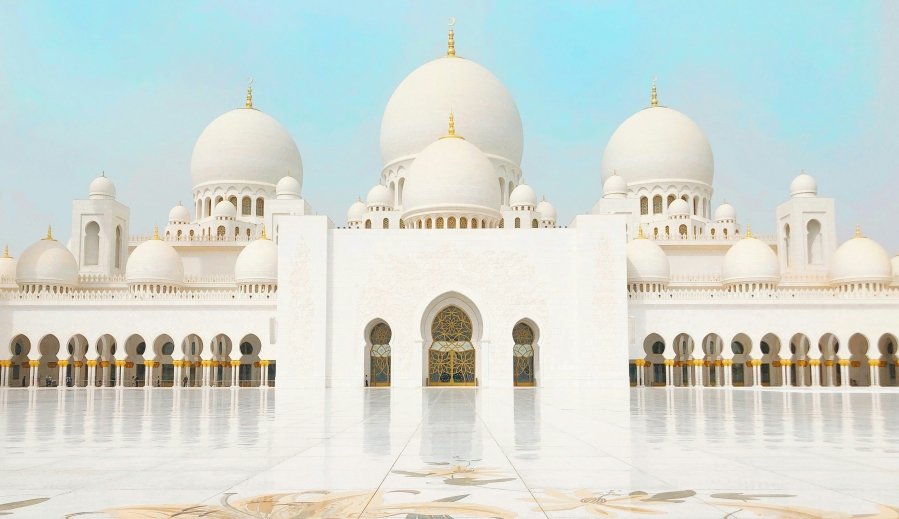
The Sheikh Zayed Grand Mosque in Abu Dhabi is more than just a place of worship; it’s a jaw-dropping masterpiece of modern Islamic architecture. With its gleaming white marble domes, intricately designed interiors, and expansive courtyards, the mosque welcomes visitors from around the world, regardless of their faith, to marvel at its beauty and embrace the spirit of tolerance. As one of the largest mosques in the world, it stands as a symbol of peace and cultural unity, combining both traditional and contemporary architectural styles in a seamless blend.
Commissioned by the late Sheikh Zayed bin Sultan Al Nahyan, the founding father of the United Arab Emirates, the mosque was completed in 2007 after nearly 12 years of construction. Sheikh Zayed envisioned the mosque as a symbol of the UAE’s Islamic identity and its commitment to tolerance and inclusiveness. Covering a vast area of over 30 acres, the mosque can accommodate over 40,000 worshippers at a time, making it one of the largest in the world.
The design of Sheikh Zayed Grand Mosque blends Islamic architecture from different cultures, incorporating influences from Moorish, Mughal, and Persian styles. More than 90,000 tons of pure white marble from Macedonia were used in its construction, symbolizing purity and peace. The mosque’s iconic domes, minarets, and reflective pools make it not only a spiritual center but also an architectural wonder admired worldwide.
Stunning Architecture and Design:
- The Grand Prayer Hall: The heart of the mosque is its immense prayer hall, which can hold up to 7,000 worshippers. The hall is home to one of the world’s largest chandeliers, made of Swarovski crystals and gold, measuring over 33 feet in diameter. The plush, handmade carpet that covers the floor is the largest in the world, designed by over 1,200 artisans in Iran. The intricate floral motifs and calligraphy on the walls are inspired by Quranic verses, adding to the spiritual atmosphere.
- The Courtyard: The mosque’s courtyard is vast and beautifully adorned with marble mosaics. The floral designs, created from semi-precious stones, cover an area of over 17,000 square meters, making it the largest marble mosaic in the world. The courtyard’s reflective pools mirror the mosque’s graceful minarets, giving visitors a sense of tranquility as they wander the vast open spaces.
- The Domes and Minarets: With 82 domes made of white marble, the mosque’s skyline is instantly recognizable. The largest dome sits above the prayer hall and stands at over 85 meters high, adding to the mosque’s grandeur. Four minarets, each reaching a height of 107 meters, frame the mosque and serve as reminders of the mosque’s purpose as a place of worship.
Art and Craftsmanship:
- The Calligraphy and Quranic Verses: One of the highlights of the mosque is its intricate calligraphy, carefully inscribed in the Thuluth script. Quranic verses are elegantly etched into the walls and ceilings, blending art with faith in a stunning display of craftsmanship.
- Islamic Geometrical Patterns: The mosque’s design is a perfect example of Islamic artistry, especially in the use of geometric patterns. These patterns are seen throughout the building, from the ceilings to the columns, representing the infinite nature of creation and the perfection of Allah.
- Mother of Pearl Inlays and Marble Work: Visitors are often mesmerized by the detailed mother-of-pearl inlays and floral designs that adorn the mosque’s columns and walls. These patterns, crafted from precious stones like amethyst, lapis lazuli, and jasper, give the mosque an otherworldly glow, especially when sunlight hits them at different angles.
Reflection Pools and Lighting:
- Reflective Pools: Surrounding the mosque are serene reflective pools that mirror the white marble structure. These pools enhance the mosque’s beauty during the day and create a magical scene at night when the mosque is illuminated by an advanced lighting system.
- Lighting System: The mosque’s lighting design is another standout feature. The lights are programmed to mimic the phases of the moon, casting a soft blue glow across the mosque that changes intensity as the moon waxes and wanes. It’s a breathtaking sight, especially during evening visits.
Cultural Significance and Inclusivity:
- A Symbol of Peace: The Sheikh Zayed Grand Mosque represents a harmonious blend of tradition and modernity. It was built not just as a place of worship but as a symbol of the UAE’s commitment to promoting peace, tolerance, and cross-cultural dialogue. Visitors of all backgrounds and religions are welcome, fostering a sense of inclusiveness.
- Visitor Experiences: Guided tours are available for those interested in learning about the mosque’s history, architecture, and Islamic traditions. It’s a unique opportunity to gain insights into the cultural and spiritual importance of the mosque.
Main Attraction Overview:
- The Grand Prayer Hall: Home to one of the largest chandeliers and carpets in the world, with intricate floral and geometric designs.
- The Courtyard: A vast expanse featuring the world’s largest marble mosaic, surrounded by reflective pools.
- 82 Marble Domes and 4 Minarets: Iconic white marble structures that dominate the Abu Dhabi skyline.
- Chandeliers and Art: Stunning chandeliers made from Swarovski crystals and gold, combined with intricate calligraphy and mother-of-pearl inlays.
- Nighttime Illumination: The mosque’s lighting system, which mirrors the phases of the moon, creating a breathtaking view at night.
Travel Tips and Practical Information:
- Best Time to Visit: Sunset is an ideal time to visit, as the mosque is beautifully illuminated after dark. It’s also less crowded in the early morning hours.
- Entry and Dress Code: Entry to the mosque is free, but visitors are required to dress modestly. Women must wear an abaya (provided free of charge), and men should avoid shorts. Be prepared to remove your shoes before entering the prayer halls.
- Guided Tours: Free guided tours are offered multiple times a day in several languages, providing deeper insights into the mosque’s history, architecture, and Islamic culture.
- Photography: Photography is allowed, and the mosque offers countless opportunities for stunning photos, especially at night. However, be mindful of cultural sensitivity when taking pictures.
Nearby Points of Interest & Landmarks:
- Louvre Abu Dhabi: Located just a short drive from the mosque, the Louvre Abu Dhabi is a must-visit for art lovers. The museum’s unique architecture and impressive collection of global art make it a fascinating place to explore.
- Qasr Al Watan: Also known as the Presidential Palace, Qasr Al Watan is a symbol of the UAE’s heritage and offers visitors a glimpse into the country’s governance and culture.
- Corniche Beach: A relaxing beachside promenade, Corniche Beach is perfect for a leisurely walk or a dip in the Arabian Gulf after your visit to the mosque.
- Yas Island: Home to attractions like Ferrari World and Yas Waterworld, Yas Island offers entertainment and activities for the whole family.
Final Thoughts:
The Sheikh Zayed Grand Mosque isn’t just a place for prayer; it’s a visual masterpiece that seamlessly blends faith, art, and architecture. Its pristine white marble structure, stunning chandeliers, and intricate designs make it one of the most remarkable landmarks in the world. Whether you’re interested in Islamic culture or simply want to experience a moment of peace and awe, this mosque is a must-visit when in Abu Dhabi. With its welcoming atmosphere and breathtaking beauty, it’s a place where spirituality meets architectural brilliance.