




The Queen of the Night, famously known as the Burney Relief, is a striking, enigmatic artifact from ancient Mesopotamia that has captivated historians, art enthusiasts, and curious minds alike. This piece, which dates back to roughly 1800 BCE during the Old Babylonian period, is believed to depict a powerful goddess—possibly Ishtar, Ereshkigal, or even Lilith. But what makes the Burney Relief such a fascination? Let’s dive into its mystique and allure.
- What Exactly is the Burney Relief?
- Who is Depicted on the Relief?
- Symbolism in the Burney Relief
- What Was the Burney Relief’s Purpose?
- Why the Mystery Around the Burney Relief?
- The Queen of the Night’s Impact Today
- Quick Facts
- Why She’s Special: The Ultimate Divine Package
- The Great Identity Mystery
- Historical Deep Dive
- What Makes Her Special to Modern Eyes
- Visitor’s Guide
- Fun Facts That’ll Impress
- Latest Scientific Findings
- Why She Matters Today
- Visit Her in Person
What Exactly is the Burney Relief?
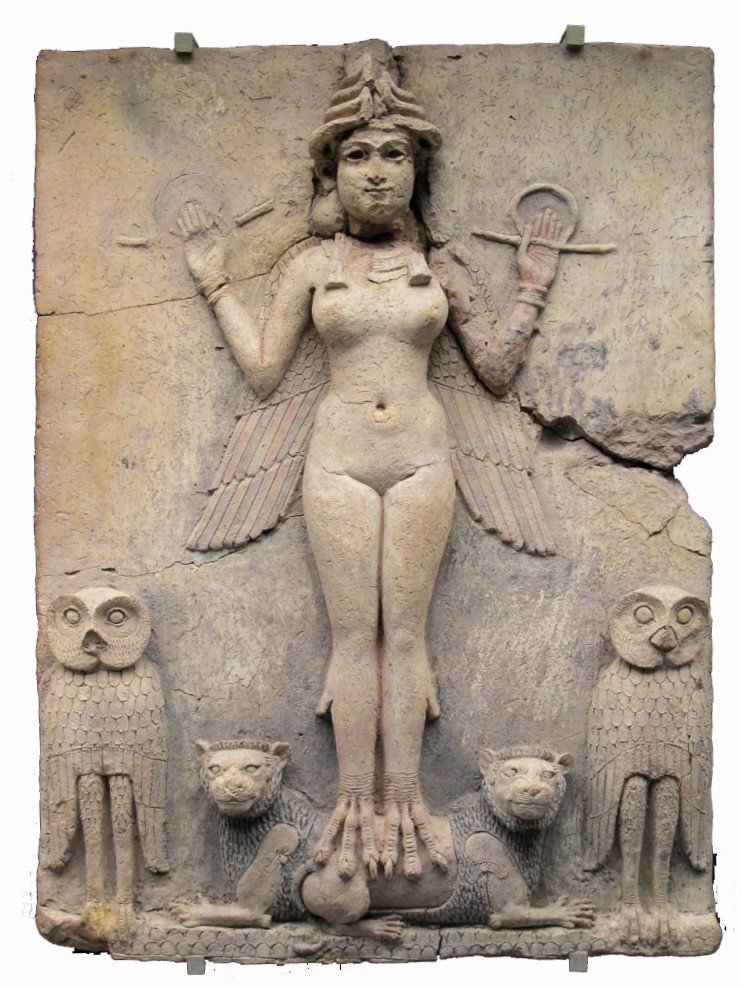
The Burney Relief is a baked clay plaque measuring about 50 x 37 cm, found (though not precisely excavated) somewhere in the Babylonian region, possibly southern Iraq. It gets its modern name from the English collector, Sidney Burney, who acquired it in the early 20th century. Currently housed at the British Museum, this plaque depicts a central figure with a striking appearance—nude, winged, and flanked by owls and lions. The figure’s powerful stance, with outstretched wings and talons, seems to embody strength and authority.
Who is Depicted on the Relief?
This remains a matter of debate. Most scholars believe the figure is Ishtar (or Inanna), the Mesopotamian goddess of love, fertility, and warfare. Some argue it could also be Ereshkigal, queen of the underworld, or Lilith, a lesser-known but potent mythological figure often associated with demonic or seductive powers. Each interpretation has its supporters, but what all agree on is the figure’s extraordinary power and magnetism.
The iconography supports the interpretation of a goddess, given her adornments—like the multi-horned crown, associated with divine status in Mesopotamian art, and her stance, a classic pose seen in depictions of deities.
Symbolism in the Burney Relief
The Burney Relief isn’t just an image; it’s packed with symbolism. Here are some of the key elements:
- Wings and Talons: The figure’s wings and talon-like feet suggest a connection to both the heavens and the underworld, bridging life and death, and making the figure even more imposing.
- Owls: Flanking the goddess are two owls, creatures associated with night and wisdom. They hint at a figure comfortable in the dark, perhaps the underworld, adding weight to the theory she could be Ereshkigal or Lilith.
- Lions: Lions, representing power and ferocity, are often depicted with deities like Ishtar, known for her warlike qualities. They symbolize protection and dominance.
What Was the Burney Relief’s Purpose?
The Burney Relief might have been used as a cult object, perhaps part of a private shrine or home altar dedicated to the goddess it depicts. In a society where gods and goddesses controlled everything from the harvest to fertility to war, having an image of a powerful deity would have been reassuring and a way to invite blessings or protection into daily life.
Why the Mystery Around the Burney Relief?
The main reason for the mystery is the lack of precise archaeological context. Since it wasn’t excavated through a formal dig, we don’t know exactly where it was found, and this opens up many theories. Without knowing its original location, scholars must rely on stylistic analysis, comparisons with similar artworks, and Mesopotamian mythological texts to guess its origins and purpose.
The Queen of the Night’s Impact Today
Today, the Burney Relief holds an enduring charm. It’s not just an artifact but a reminder of the powerful roles that female deities played in ancient religions and the mystique they carried. Modern interest in the Burney Relief ranges from feminist reinterpretations to popular culture, where it’s seen as a symbol of feminine strength, mystery, and independence.
The Queen of the Night, whether she’s Ishtar, Ereshkigal, or Lilith, remains a cultural icon—a fierce, winged goddess who’s as powerful now as she was thousands of years ago. And while we may never fully understand her story, that’s part of the magic that keeps her alive in our imaginations.
Quick Facts
- Age: Approximately 4,000 years old
- Origin: Ancient Mesopotamia (modern-day Iraq)
- Current Location: British Museum, Room 56
- Size: 49.5 cm high x 37 cm wide
- Material: Baked clay with original paint traces
- Status: Best-preserved relief of its kind
Why She’s Special: The Ultimate Divine Package
- Stunning winged goddess figure
- Bird-like talons instead of feet
- Standing triumphantly on two lions
- Flanked by wise owls
- Originally painted in vibrant red, white, and black
- Incredible preservation despite her age
- Unique frontal perspective (rare in ancient art)
The Great Identity Mystery
Three main theories about who she might be:
1. Ereshkigal (Most Likely – 45%)
- Queen of the Underworld
- Known for night-time rulership
- Owl associations fit perfectly
- Current scholarly favorite
2. Lilith (Possible – 30%)
- Night creature in Jewish folklore
- Known for independence
- Associated with owls and darkness
3. Ishtar (Perhaps – 25%)
- Goddess of love and war
- Famous for lion associations
- Powerful female deity
Historical Deep Dive
Creation Context (1750 BCE)
- Made during Hammurabi’s dynasty
- Peak of Babylonian artistic achievement
- Part of complex religious system
- Used in temple ceremonies
Technical Marvel
- Hand-molded and expertly carved
- Fired at 800-900°C
- Originally painted in vivid colors
- Shows advanced artistic planning
- Incredible symmetrical composition
Discovery & Journey
1920s: Found in southern Iraq 1935: Purchased by Sydney Burney 2003: Acquired by British Museum for £1.5 million
What Makes Her Special to Modern Eyes
Artistic Achievement
- Masterful craftsmanship
- Incredible detail work
- Perfect symmetry
- Revolutionary frontal perspective
- Sophisticated symbolism
Historical Significance
- Rare glimpse into ancient religious art
- Evidence of female divine power
- Shows advanced Babylonian craftsmanship
- Key to understanding ancient ceremonies
Visitor’s Guide
Best Viewing Tips
- Visit Room 56 at the British Museum
- Afternoon lighting is best
- Take time to spot small details
- Look for traces of original paint
- Notice the precision of the feathers
Photography Tips
- Allowed in the museum
- Best angles: slight side view
- Morning light for details
- Afternoon for atmosphere
Fun Facts That’ll Impress
- The lions she stands on were ancient symbols of power
- Each feather was individually carved by hand
- She was meant to be hung on a temple wall
- The owls represent wisdom and night vision
- She’s inspired countless modern artworks
Latest Scientific Findings
Recent analysis reveals:
- Local Mesopotamian clay source
- Original paint traces preserved
- Single firing technique used
- 85% original material intact
- Advanced conservation methods applied
Why She Matters Today
- Premier example of ancient Near Eastern art
- Symbol of female divine power
- Testament to ancient craftsmanship
- Window into Babylonian religion
- Inspiration for modern artists
Visit Her in Person
🏛️ British Museum, Room 56 Great Russell Street, London Free admission Photography allowed Best time: Weekday afternoons
Remember: When you’re standing before the Queen of the Night, you’re not just looking at an ancient artwork – you’re witnessing one of humanity’s finest artistic achievements, crafted by masters who told divine stories in clay over 4,000 years ago.
Whether you’re a history buff, art lover, or just curious about ancient mysteries, the Queen of the Night continues to enchant and intrigue. After all, how many other ancient celebrities can still command such attention after four millennia?