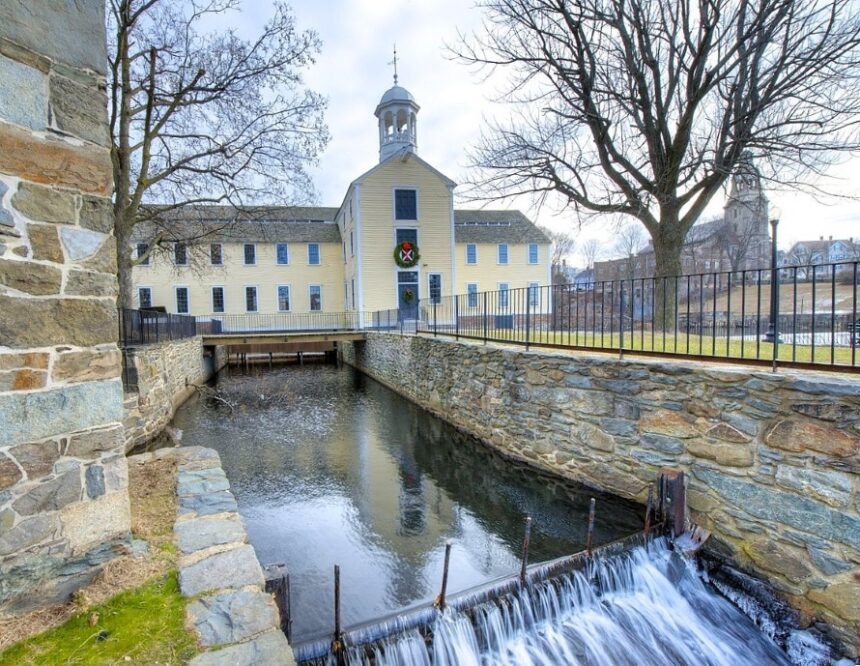
Located in the charming town of Pawtucket, Rhode Island, the Slater Mill Historic Site is more than just a collection of old buildings; it’s a time capsule that tells the story of America’s leap into the industrial age. Often called the “Birthplace of the American Industrial Revolution,” this landmark played a crucial role in shaping the nation’s economy and workforce.
Whether you’re a history buff, a curious traveler, or a family looking for an educational day out, Slater Mill offers a fascinating glimpse into the past. Its well-preserved machinery, guided tours, and tranquil riverside setting make it an ideal spot to learn, relax, and be inspired by the ingenuity of early American industry.
History
Established in 1793 by Samuel Slater, Slater Mill was the first water-powered cotton-spinning factory in the United States. Inspired by British textile techniques, Slater adapted the technology to American needs, earning him the nickname “Father of the American Industrial Revolution.”
The mill harnessed the power of the Blackstone River, a vital natural resource that drove the machinery. Its success marked the beginning of a manufacturing boom in New England, which quickly spread across the country. The site grew into a bustling industrial hub, inspiring innovation and attracting skilled workers.
Over time, advancements in technology rendered the mill obsolete, but its legacy remained intact. In 1921, preservation efforts transformed the site into a museum, celebrating its pivotal role in American history. Today, the Slater Mill Historic Site is a designated National Historic Landmark, offering visitors a chance to explore the birthplace of modern manufacturing.
Interesting Facts / Key Points
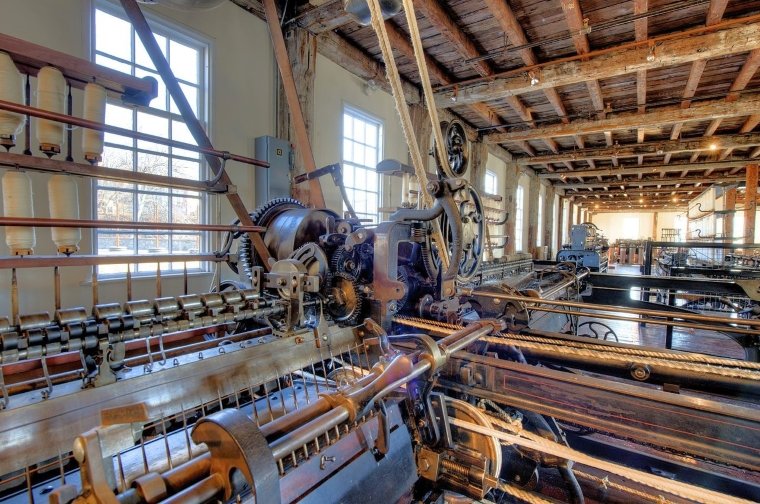
- A Pioneer in Technology: Slater Mill introduced mechanized spinning, significantly boosting productivity compared to hand-spinning methods.
- Immigrant Innovation: Samuel Slater was an English immigrant who brought British textile secrets to America, a controversial move at the time.
- Child Labor: In its early days, the mill employed many children, reflecting the harsh realities of industrial work during the 18th century.
- Blackstone River’s Role: The river wasn’t just a power source—it was also a key transportation route for raw materials and finished goods.
- Museum Features: The site includes Slater Mill, the Wilkinson Mill, and the Sylvanus Brown House, each offering unique insights into early industrial life.
Activities
Guided Tours
Explore the historic buildings with knowledgeable guides who bring the story of Slater Mill to life. Learn about the mechanics of early machinery, the lives of mill workers, and the broader impact of industrialization.
Hands-On Experiences
Interactive exhibits let visitors try their hand at weaving and spinning, providing a deeper appreciation for the craftsmanship of the era.
Special Events
From heritage festivals to educational workshops, the site frequently hosts events that highlight different aspects of 18th- and 19th-century life.
Riverside Strolls
The scenic Blackstone River adds a peaceful charm to the area. It’s the perfect spot for a leisurely walk or a picnic after your tour.
Getting There
- By Car: Slater Mill is easily accessible via I-95. The address is 67 Roosevelt Avenue, Pawtucket, RI. Parking is available on-site.
- By Public Transport: Pawtucket is serviced by RIPTA buses, and the site is a short walk from the bus stops.
- By Train: The Providence train station is a 15-minute drive from the site, connecting travelers from Boston and New York.
Nearby Points of Interest & Landmarks
- Blackstone River Valley National Historical Park: Explore more about the industrial history of the region with walking trails and interpretive exhibits.
- Pawtucket Arts District: Just a stone’s throw away, this area features galleries, studios, and performances showcasing local talent.
- Roger Williams Park: A nearby escape with botanical gardens, a zoo, and walking paths.
- Providence’s WaterFire: Only a 10-minute drive away, this iconic art installation is a must-see in Rhode Island.
- Museum of Work and Culture: Located in nearby Woonsocket, this museum dives deeper into the lives of workers during the industrial revolution.
Recap
The Slater Mill Historic Site is more than a historical attraction—it’s a testament to American ingenuity and resilience. From its humble beginnings as a cotton mill to its status as a National Historic Landmark, the site offers a fascinating journey into the past. Whether you’re weaving on a loom, admiring the mighty Blackstone River, or learning about the lives of early factory workers, Slater Mill is a place where history truly comes alive.
Plan your visit today and discover how a small mill in Pawtucket forever changed the course of American history! / photo credit.