Introduction
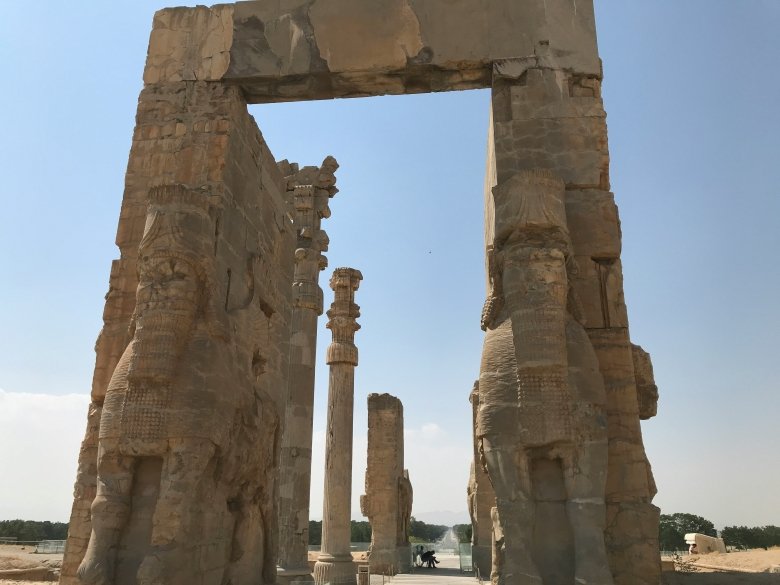
Standing tall among the ruins of Persepolis in Iran, the Gate of All Nations is one of the most iconic remnants of the once-mighty Achaemenid Empire. Built by Xerxes the Great in the 5th century BCE, this monumental entrance symbolized the grandeur and diversity of an empire that stretched across three continents. As you pass through its towering stone pillars, adorned with carvings of mythical creatures, it’s easy to imagine the awe it must have inspired in the visitors and envoys from far-off lands. The gate was more than just a passage—it was a statement, welcoming people from all over the known world to the ceremonial capital of ancient Persia.
At a Glance
The Gate of All Nations, also called the “Xerxes’ Gate,” was constructed as an imposing entryway to the grand city of Persepolis, welcoming emissaries from the vast empire. The gate’s towering columns, adorned with statues of Lamassu—winged, human-headed bulls—serve as silent guardians of this ancient city. Beyond its impressive architecture, the gate represents the unity and multiculturalism of the Persian Empire. Persepolis itself was built as a ceremonial hub, where great kings like Darius and Xerxes showcased their empire’s wealth and power. Visiting this UNESCO World Heritage Site today offers a fascinating glimpse into the history of one of the world’s earliest superpowers, surrounded by breathtaking ruins that echo with the stories of the past.
Highlights
Activities:
-
- Explore the Gate of All Nations: Marvel at the towering columns and intricate carvings that once greeted visitors from across the empire.
- Wander through Persepolis: Dive deeper into history by exploring the Apadana Palace, the Hall of 100 Columns, and the nearby tombs.
- Photography: The massive scale of the ruins against the desert backdrop makes for incredible photo opportunities.
- Guided Tours: Local guides can provide deeper insights into the history and symbolism behind Persepolis and its architectural wonders.
Best Time to Visit:
- Spring (March to May) and fall (September to November) are the best times to visit Persepolis, offering pleasant weather for exploring the ruins. Summers can be scorching, while winters are cooler but manageable if you’re prepared.
Getting There:
- Persepolis is located about 60 kilometers (37 miles) northeast of Shiraz, Iran. The easiest way to reach the site is by taxi or private car from Shiraz. Organized tours are also available, which often include a visit to the nearby Naqsh-e Rostam, where ancient rock tombs of Persian kings can be found.
Final Thoughts
The Gate of All Nations is more than just an ancient relic—it’s a gateway to the rich history of the Persian Empire. As you walk through its stone pillars, you’re not just visiting a ruin—you’re stepping into a place where cultures once converged and history was made. If you’re a history enthusiast or just love exploring awe-inspiring ancient sites, Persepolis and its famous gate are an absolute must-visit.