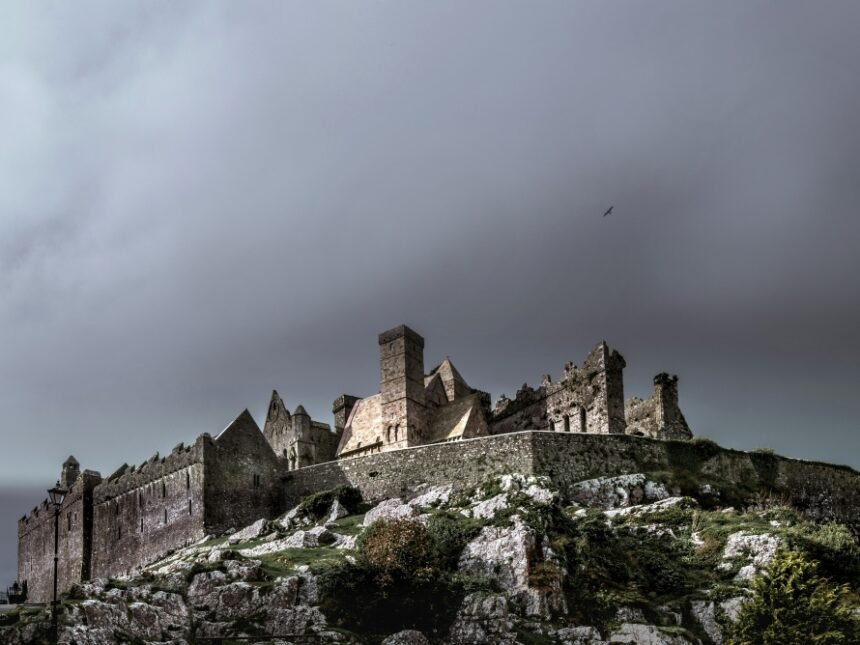
Perfectly located in the lush countryside of County Tipperary, the Rock of Cashel is one of Ireland’s most iconic landmarks, drawing thousands of visitors each year to marvel at its history and mystique. With its towering spires, ancient ruins, and breathtaking views, the Rock of Cashel is a must-see for history buffs, photographers, and anyone looking to experience Ireland’s cultural heart. But there’s more to this site than meets the eye: the legends surrounding it, its origins as a political and religious center, and the atmosphere that seems to carry whispers of a time long gone. Ready to dive into Ireland’s past and uncover the secrets of the Rock of Cashel? Let’s go!
The Rock of Cashel, also known as St. Patrick’s Rock, has a history that stretches back over a thousand years. It stands as a symbol of Ireland’s rich cultural heritage and religious roots, as well as a testament to the island’s Celtic and Christian influences. Originally the seat of the kings of Munster, the site later became one of Ireland’s most important religious centers after being gifted to the Church in the 12th century by King Muirchertach Ua Briain.
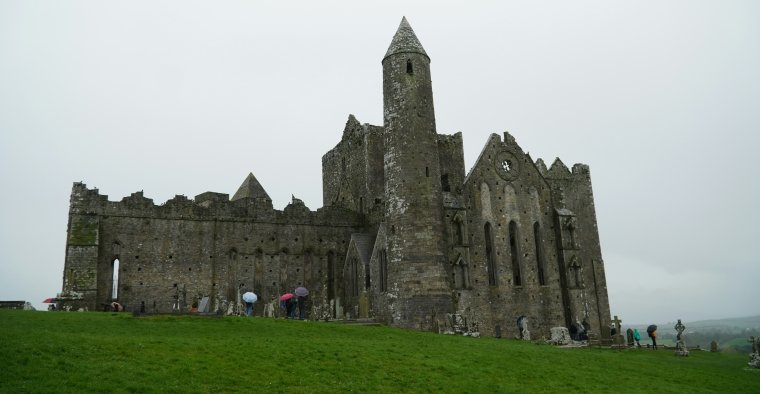
The rock’s structures, from the impressive 12th-century round tower to Cormac’s Chapel, showcase a blend of Romanesque and Gothic architecture, each telling its own story. With towering stone walls and views of the surrounding Golden Vale, the Rock of Cashel has captured the hearts of many, sparking myths and inspiring stories for centuries. This remarkable site isn’t just about history—it’s a tangible connection to Ireland’s storied past.
Site Overview: Description, Location, Facilities, and Notable Structures
The Rock of Cashel sits atop a limestone hill in the Golden Vale of County Tipperary, providing panoramic views that make it a photographer’s dream. Its grand structures, some dating back to the 12th century, form an unforgettable silhouette against the Irish sky. Here are some highlights of the Rock of Cashel:
- Location: Easily accessible from towns like Cashel and nearby cities like Kilkenny and Cork, the Rock of Cashel is a short drive from major Irish routes. Its location in central Ireland makes it a popular stop for travelers exploring the island.
- Facilities: The site is well-prepared for visitors, with an on-site museum, interpretative tours, restrooms, and a gift shop. There’s a small admission fee, and guided tours are available for those interested in the site’s deep historical background.
- Structures to See:
- Cormac’s Chapel: Built around 1127, this chapel is a stunning example of Romanesque architecture. With intricate carvings, sandstone decorations, and even remnants of frescoes, it’s one of Ireland’s earliest examples of this architectural style.
- Round Tower: The round tower, standing at approximately 28 meters, is one of the oldest structures on-site. Its location on top of the hill made it an ideal lookout, and its construction is a testament to the skill of early Irish masons.
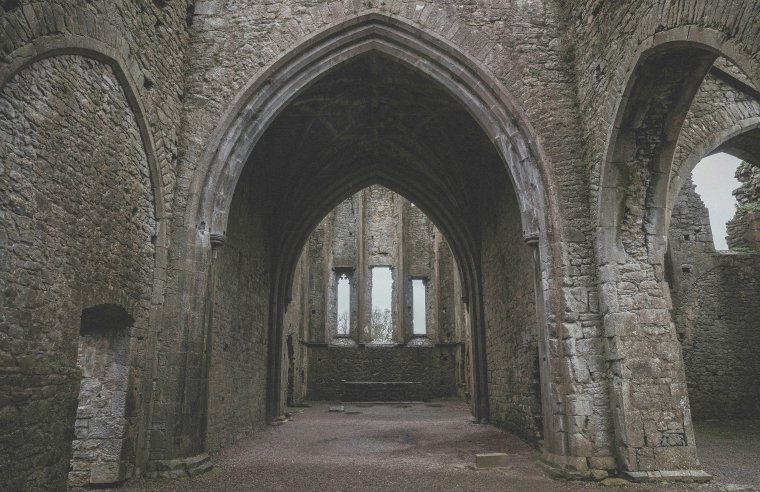
- The Cathedral: This massive Gothic structure, with its high nave and transept, dominates the complex. Though it’s no longer an active church, its ruins hold a haunting beauty and make a great spot for photos.
- The High Cross and Graveyard: The cemetery surrounding the site includes beautifully crafted Celtic high crosses, which are a powerful symbol of Ireland’s Christian heritage. The Scully Cross, in particular, is well-known for its intricate design.
- Hall of the Vicars Choral: Built in the 15th century, this structure was once a residence for the singing priests (vicars choral). Today, it serves as a small museum with displays and exhibits detailing the site’s history.
Historical Significance and Operation
From its beginnings as the seat of Munster kings to its transformation into a center of Irish Christianity, the Rock of Cashel has witnessed a variety of eras. Its original purpose was as a royal stronghold, serving as a symbol of power and politics. In 1101, however, the site was gifted to the Church by King Muirchertach Ua Briain. This act marked a shift in the rock’s purpose, as it became a religious center. The Rock of Cashel hosted religious ceremonies, and over time, structures like Cormac’s Chapel and the Cathedral were built to meet the needs of the growing ecclesiastical site.
Throughout the Middle Ages, the site functioned as both a religious center and a fortified location, thanks to its strategic position. Today, while no longer a site of political power or religious activity, the Rock of Cashel remains a place of immense cultural value.
Myths and Legends of the Rock of Cashel
The Rock of Cashel is shrouded in fascinating legends that add to its mystique. One of the most famous legends involves St. Patrick himself, who is said to have converted the pagan king of Munster to Christianity at Cashel in the 5th century. According to the story, St. Patrick accidentally drove his crosier (staff) through the king’s foot during the baptism, but the king—believing this was part of the ritual—remained silent!
Another tale recounts the rock’s very formation. According to legend, the Rock of Cashel originated miles away, on the Devil’s Bit mountain. When St. Patrick banished Satan from a cave on that mountain, the devil supposedly took a large chunk of rock with him. Fleeing across the country, he dropped it at Cashel, where it remains today as the iconic Rock of Cashel.
The Rock of Cashel in Popular Culture
The Rock of Cashel has inspired artists, filmmakers, and authors around the world. While not as commonly used as filming locations as some other Irish sites, the Rock has still made its mark. It appears in books, movies, and even music videos that highlight Ireland’s scenic beauty and heritage. Its haunting beauty has captured the imagination of many and served as a backdrop for media seeking to capture the essence of historic Ireland.
The Rock of Cashel was even rumored to have inspired aspects of J.R.R. Tolkien’s works. Some believe that the scenery of the surrounding Golden Vale influenced his descriptions of Middle Earth, especially given his documented travels through Ireland. For photographers, artists, and anyone interested in capturing Ireland’s unique atmosphere, the Rock of Cashel is a source of endless inspiration.
Travel Tips and Practical Information
- Best Time to Visit: The Rock of Cashel is open year-round, but visiting in spring or fall can provide a balance of favorable weather and fewer crowds. Summer is the busiest season.
- Getting There: From Dublin, it’s about a two-hour drive, while from Cork, it’s roughly an hour. Many bus and tour companies offer day trips, making it easy for travelers without a car to visit.
- Tickets and Tours: Admission includes access to the museum and guided tours. Consider arriving early in the day for quieter experiences and better photo opportunities.
- Accessibility: While the site does include steep inclines and uneven ground, efforts have been made to accommodate visitors with mobility concerns.
Nearby Points of Interest & Landmarks
After touring the Rock of Cashel, there are several nearby attractions worth visiting:
- Hore Abbey: Located just a short walk from the Rock, Hore Abbey is a former Cistercian monastery with impressive ruins set against the backdrop of the Rock of Cashel.
- Cahir Castle: Situated along the River Suir, this remarkably well-preserved castle provides insight into medieval Irish life and architecture.
- Swiss Cottage: A 19th-century “fantasy” cottage that’s a picturesque example of Romantic-era architecture, nestled in scenic woodlands.
- Galtee Mountains: Outdoor enthusiasts may enjoy hiking in these nearby mountains, which offer beautiful views and a chance to experience Ireland’s natural landscapes.
Final Thoughts
The Rock of Cashel isn’t just a historical site—it’s an experience that brings the essence of Ireland’s past into the present. With its architectural beauty, awe-inspiring legends, and vibrant history, a visit here feels like stepping into a different time. Whether you’re a history enthusiast, a lover of myths, or simply seeking a stunning view, the Rock of Cashel offers something special. So, when planning your next adventure in Ireland, don’t miss out on this extraordinary journey into the heart of Ireland’s heritage.