1. The Essence of Tunisian Culture
Tunisian culture is a vibrant tapestry woven from diverse influences, including Phoenician, Roman, Arab, Turkish, French, and indigenous Berber traditions. This unique blend is reflected in everything from the country’s cuisine to its architecture, creating a rich and dynamic cultural landscape.
- 1. The Essence of Tunisian Culture
- 2. Greeting Etiquettes: The Art of Tunisian Hellos
- 3. Dining Customs: Savoring Tunisian Hospitality
- 4. Dress Code: Balancing Modesty and Modernity
- 5. Religious Etiquette: Respecting Islamic Traditions
- 6. Bargaining: The Art of Friendly Negotiation
- 7. Social Customs: Building Connections
- Plan Your Tunisian Adventure
2. Greeting Etiquettes: The Art of Tunisian Hellos
Tunisians are known for their warm hospitality. Learn the proper way to say “As-salaam-alaikum” (Peace be upon you), the importance of handshakes, and why you should greet everyone in a group individually. Discover the cheek-kissing custom and how it varies between regions and relationships.
Download Our Free Tunisian Arabic Phrase Guide
3. Dining Customs: Savoring Tunisian Hospitality
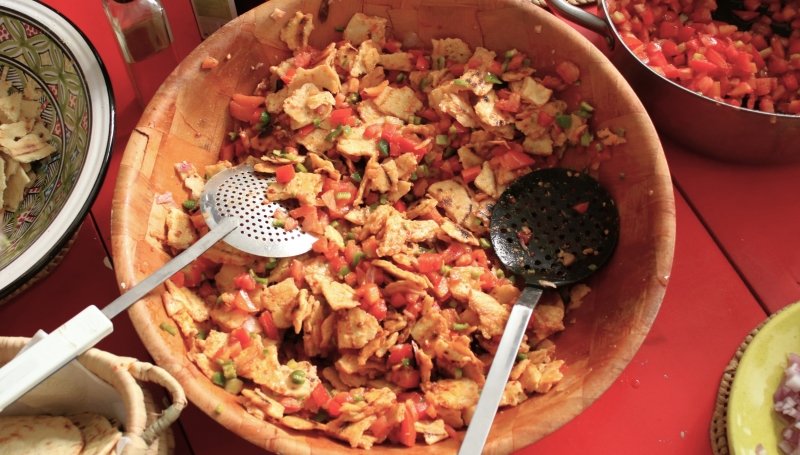
Tunisian cuisine is a delightful fusion of Mediterranean and North African flavors. Understand the etiquette of shared meals, the importance of accepting food offers, and why you should always use your right hand for eating. Learn about the significance of couscous, the national dish, and the proper way to enjoy Tunisian mint tea.
4. Dress Code: Balancing Modesty and Modernity
Tunisia is more liberal than many of its neighbors, but modest dress is still appreciated, especially in rural areas and religious sites. Discover what to wear to respect local customs while staying comfortable in Tunisia’s warm climate.
5. Religious Etiquette: Respecting Islamic Traditions
While Tunisia is a secular state, Islam plays a significant role in daily life. Learn about mosque etiquette, respecting Ramadan customs, and why public displays of affection should be avoided. Understand the importance of Friday as a day of prayer and how it might affect your travel plans.
Explore Our Tunisia Cultural Immersion Guide
6. Bargaining: The Art of Friendly Negotiation
Bargaining is a common practice in Tunisia’s souks and markets. Discover the etiquette of haggling, how to negotiate prices respectfully, and why a sense of humor can be your best asset in getting a good deal.
7. Social Customs: Building Connections
Tunisians value personal relationships highly. Learn about the importance of small talk before business discussions, the concept of ‘inshallah’ (God willing) in daily conversation, and why patience is a virtue in Tunisian culture.
Plan Your Tunisian Adventure
Whether you’re drawn to the ancient ruins of Carthage, the stunning beaches of Hammamet, or the otherworldly landscapes of the Sahara, Tunisia offers a unique blend of history, culture, and natural beauty. By understanding and respecting local customs, you’ll create deeper connections and unforgettable memories in this captivating country.