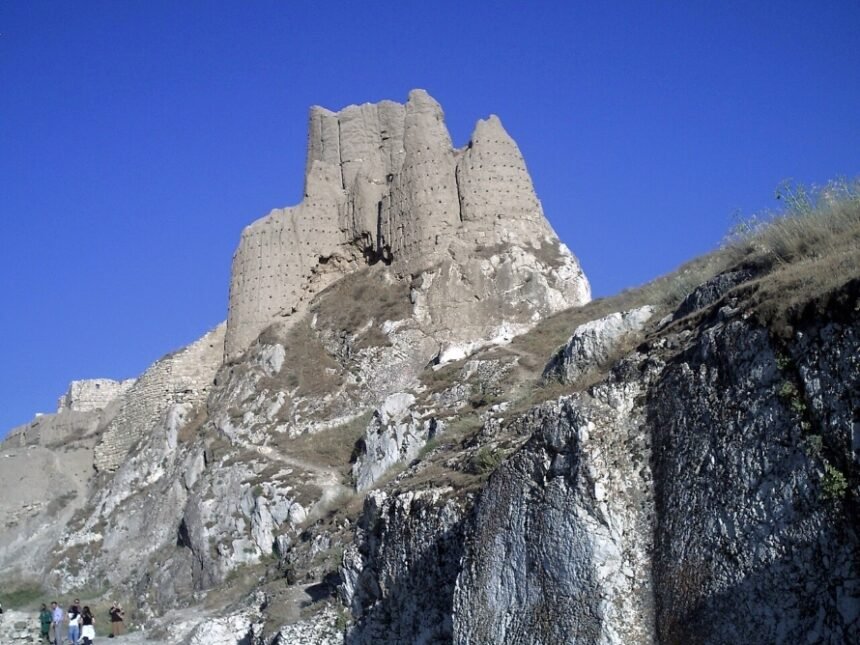
Perched on the edge of history and legend, Van Fortress (or Van Citadel) in Turkey is a time machine waiting for visitors to unlock its secrets. This awe-inspiring structure, situated on a rocky hill overlooking Lake Van, whispers tales of ancient kingdoms, military triumphs, and rich Anatolian culture. Whether you’re an adventurous traveler, a history enthusiast, or simply someone seeking breathtaking views, Van Fortress is your perfect destination. Let’s dive into what makes this fortress such an unforgettable spot.
Van Fortress dates back to the 9th century BCE when it served as a major stronghold of the Urartu Kingdom. The Urartians, known for their exceptional engineering and military prowess, constructed this fortress as part of their extensive defense network. The location was strategic—its towering position offered an unbroken view of the surrounding plains and the sparkling waters of Lake Van, while its sturdy construction made it nearly impenetrable.
Over centuries, the fortress transitioned through various hands, including the Medes, Persians, Byzantines, and Ottomans. Each era left its mark, enriching the site with layers of history. Today, the fortress is an archaeological treasure trove and a cultural landmark representing the resilience and adaptability of civilizations that once thrived in this rugged yet beautiful region.
The Van Fortress: Architecture, Location, and Facilities
1. Description
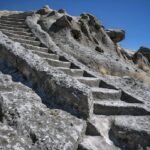
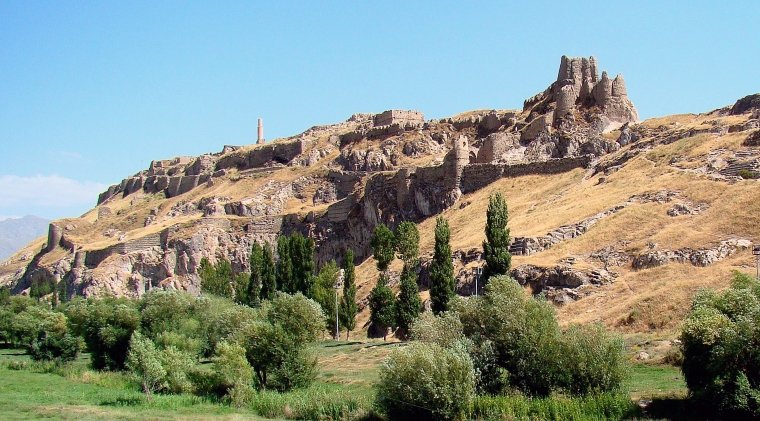
Van Fortress is a striking blend of natural and human-made elements. Carved directly into the rock and supplemented by stone and mudbrick walls, the fortress stretches roughly 4 kilometers in length. Its architecture exemplifies the ingenuity of Urartian masons, who designed the structure to seamlessly blend with its rugged environment.
The walls are thick and formidable, with remnants of watchtowers and bastions hinting at its defensive strength. Inside the fortress, you’ll find ancient inscriptions, cisterns, and the remains of temples dedicated to Urartian gods. The most famous artifact is the Cuneiform Inscription of Xerxes, a trilingual inscription from the Achaemenid Empire, showcasing its historical significance beyond the Urartians.
2. Location
Located near the modern city of Van in eastern Turkey, the fortress sits atop a dramatic limestone ridge. Its elevated position not only provided military advantage but now offers visitors panoramic views of Lake Van, the largest soda lake in the world, and the surrounding countryside. The fortress is easily accessible from the city, making it a convenient yet surreal escape.
3. Facilities and Arsenal
While Van Fortress today is an open archaeological site rather than a functional fort, exploring it reveals what made it such a stronghold in its prime. Key features include:
- Granaries and Storage Rooms: Essential for withstanding sieges.
- Cisterns: Ingeniously designed to store water, a critical resource during times of conflict.
- Urartian Temples: Dedicated to deities like Haldi, the chief god of the Urartians.
- Ancient Inscriptions: Including the aforementioned Cuneiform of Xerxes.
- Defense Mechanisms: Thick walls and strategic towers to repel invaders.
For modern visitors, facilities include walking trails, viewing platforms, and nearby amenities like cafes and souvenir shops in Van city.
In Operation
When the fortress was operational, it served as a military base, administrative center, and religious hub. The Urartians were known for their advanced military tactics, and Van Fortress stood as a linchpin in their defensive strategy. During sieges, its granaries and cisterns ensured sustenance for troops, while its high vantage point allowed for early detection of enemy movements.
Under subsequent rulers, the fortress retained its strategic importance. The Ottomans, for example, used it as a regional garrison. However, as warfare evolved and modern artillery rendered such fortifications less effective, Van Fortress gradually lost its military relevance and became a historical monument.
Myths Surrounding Van Fortress
Every ancient site has its share of myths, and Van Fortress is no exception. Local legends speak of hidden treasures buried deep within its walls, guarded by spirits of ancient warriors. Another tale revolves around a secret underground tunnel that supposedly leads directly to Lake Van. While these stories remain unverified, they add a layer of mystique to the fortress, drawing in treasure hunters and adventure seekers alike.
In Popular Culture
Van Fortress, with its majestic setting and rich history, has inspired numerous artists, writers, and filmmakers. It has been featured in documentaries exploring the Urartian civilization and is often a backdrop in Turkish dramas and historical reenactments. Travelers frequently share breathtaking photos of the fortress on social media, making it a growing favorite among Instagram adventurers.
Travel Tips and Practical Information
- Best Time to Visit: Spring (April-May) and autumn (September-October) offer pleasant weather and fewer crowds.
- What to Wear: Comfortable hiking shoes and sun protection are musts; the terrain can be steep and exposed.
- Guided Tours: Available from Van city, offering rich insights into the fortress’s history.
- Entrance Fee: The site is generally free, but some tours might charge a fee.
- Safety: The paths can be uneven—take care, especially if traveling with kids or elderly companions.
Nearby Points of Interest & Landmarks
Your trip to Van Fortress can be enriched by exploring nearby attractions:
- Lake Van: A stunning natural wonder known for its turquoise waters and Akdamar Island.
- Akdamar Church: An exquisite Armenian cathedral on Akdamar Island.
- Van Museum: Showcasing Urartian artifacts and the region’s rich history.
- Muradiye Waterfalls: A serene escape just a short drive from Van.
- Hosap Castle: Another remarkable fortress showcasing medieval architecture.
Final Thoughts
Van Fortress isn’t just a site—it’s an experience that bridges the gap between past and present. From its formidable architecture to its stunning location, it offers something for everyone. Whether you’re there to soak in the history, enjoy breathtaking views, or simply feed your sense of adventure, one thing is certain: you’ll leave with memories as enduring as the fortress itself.
So, pack your bags and prepare for a journey into the heart of ancient Anatolia. Van Fortress awaits! / photo credit