




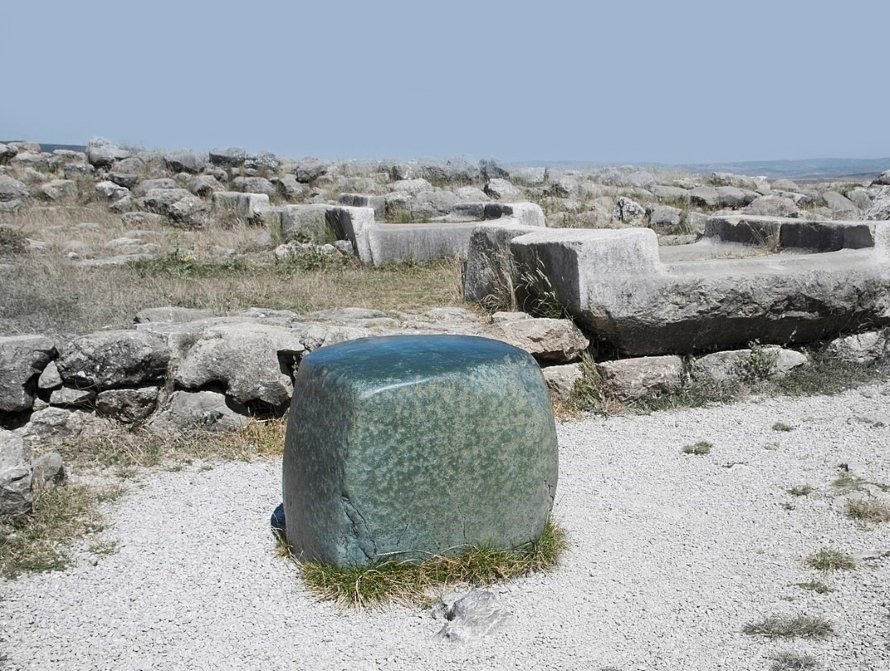
Lcated within the ancient city of Hattusa, the capital of the Hittite Empire, lies a mysterious relic—the Hattusa Green Stone. Located in modern-day Boğazkale, Turkey, this enigmatic green stone has puzzled historians, archaeologists, and visitors alike for centuries. Surrounded by myths and legends, the Green Stone is said to have magical qualities, though its purpose remains unknown. Unlike typical historical monuments or sculptures, this stone’s allure is its unknown origin and purpose. Why was this stone so important to the Hittites? Join us as we uncover the fascinating story behind one of Turkey’s most mystical treasures.
Hattusa, once the grand capital of the Hittite Empire, was founded around 1600 BCE. At its peak, this city was the heart of Hittite civilization, known for its impressive city walls, grand temples, and unique architectural structures. The Hittites were highly advanced for their time, establishing one of the earliest known legal systems, flourishing trade routes, and an extensive military force.
The Green Stone is among the most mysterious remnants left behind. Positioned near the Great Temple, the largest and most important religious structure in Hattusa, the Green Stone has intrigued researchers since its discovery. The Hittites considered the Great Temple sacred, dedicated to their storm god, Teshub, and his consort, the sun goddess, Hebat. This temple was a bustling place of worship, with numerous ceremonial events taking place within its massive stone walls. But the Green Stone’s exact role in these rituals remains speculative.
Archaeologists suggest that the Green Stone could have been a focal point in worship or ritual activities. It is often hypothesized that the stone may have served as an altar or some form of ceremonial marker. It’s unique in color and composition compared to other stones found within Hattusa. Although the stone appears green due to weathering and mineral content, its true material origins are debated. Some speculate it could have been brought from distant lands as a tribute or prized possession, symbolizing a link to foreign cultures or deities.
Moreover, myths and local lore have grown around the Green Stone over the centuries. Some believe the stone has healing powers or spiritual qualities, while others think it grants wisdom or prosperity. There are even stories of visitors experiencing strange feelings or gaining a sense of peace upon touching it. Though none of these legends are scientifically substantiated, the Green Stone’s unusual placement and distinct appearance certainly fuel such tales.
During the excavation of Hattusa, experts discovered that the stone’s color was likely a result of exposure and unique geological properties rather than any precious material. Some believe it could be a large block of nephrite or serpentine, both of which are types of green stones often used in ancient sculptures and jewelry. However, no definitive evidence has been found to support this theory. The purpose of the stone, like much of Hittite history, remains shrouded in mystery, leaving room for endless interpretations.
Building Details
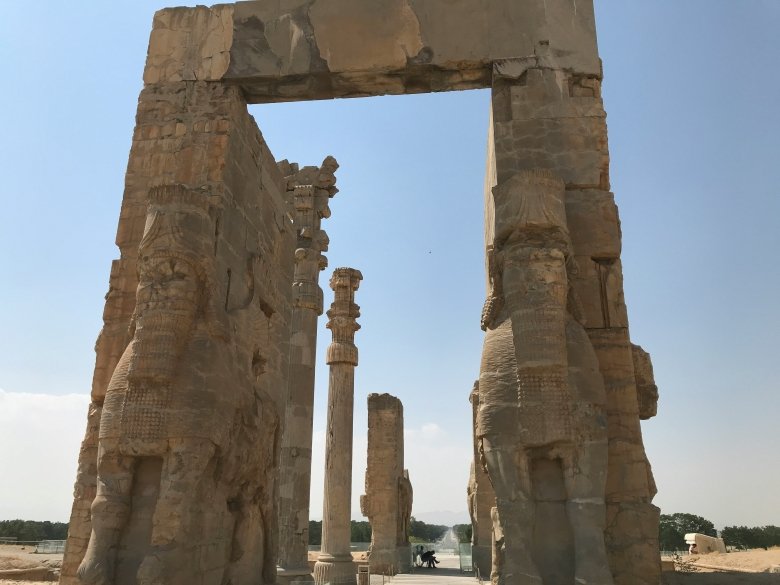
The Great Temple of Hattusa, where the Green Stone is located, was an architectural feat of its time. The temple’s layout consisted of a vast central courtyard, various storage rooms, and ceremonial chambers. Built from massive stone blocks, the structure boasted intricate carvings and well-preserved bas-reliefs showcasing Hittite gods and mythological scenes. Standing proudly within this grand structure, the Green Stone occupies a curious, almost deliberately chosen position.
Constructed with an appreciation for symmetry and religious reverence, the Great Temple and its surrounding features highlight the Hittites’ architectural prowess. Although the Green Stone is just one part of this intricate complex, it has captured attention due to its unusual location and distinct coloring. Whether placed deliberately as part of a ritual or for a now-lost purpose, the stone has become an iconic feature of the temple grounds.
Key Features
- Mysterious Origins: The Green Stone’s origins are unknown, with various theories suggesting it may have been imported from another region, perhaps as a gift or tribute.
- Ceremonial Significance: Due to its positioning near the Great Temple, many believe the Green Stone played a role in religious or ritual practices.
- Unique Color and Material: The stone is green, possibly from weathering or minerals, and is distinct from other stones in Hattusa.
- Spiritual Legends: Locals and visitors alike believe the Green Stone holds special powers, sparking stories about its healing and mystical properties.
- Archaeological Enigma: Despite extensive studies, the stone’s exact material composition and purpose remain unconfirmed, adding to its mystique.
Getting There
To experience the Hattusa Green Stone in person, head to Boğazkale, Turkey. From major cities like Ankara, it’s a few hours’ drive, making it accessible for day trips or weekend explorations. Boğazkale itself is a small, charming town that offers plenty of insight into Hittite culture and history, with accommodations available nearby. Once you arrive, the Green Stone is within the sprawling Hattusa archaeological site, which is open to visitors and well-preserved for easy exploration.
Nearby Points of Interest & Landmarks :
Final Thoughts
The Hattusa Green Stone is more than just a rock, it’s a symbol of the Hittites’ mysterious past, shrouded in both myth and history. For travelers and history enthusiasts, it represents a chance to connect with a lost civilization, to wonder about the traditions and beliefs that shaped one of history’s greatest empires. Whether it truly holds mystical powers or simply symbolizes the ingenuity of the Hittites, the Green Stone remains an unforgettable sight in the heart of ancient Anatolia. So, if you’re traveling through Turkey, make sure to step back in time and let the Green Stone of Hattusa captivate you with its timeless allure./photo credit