




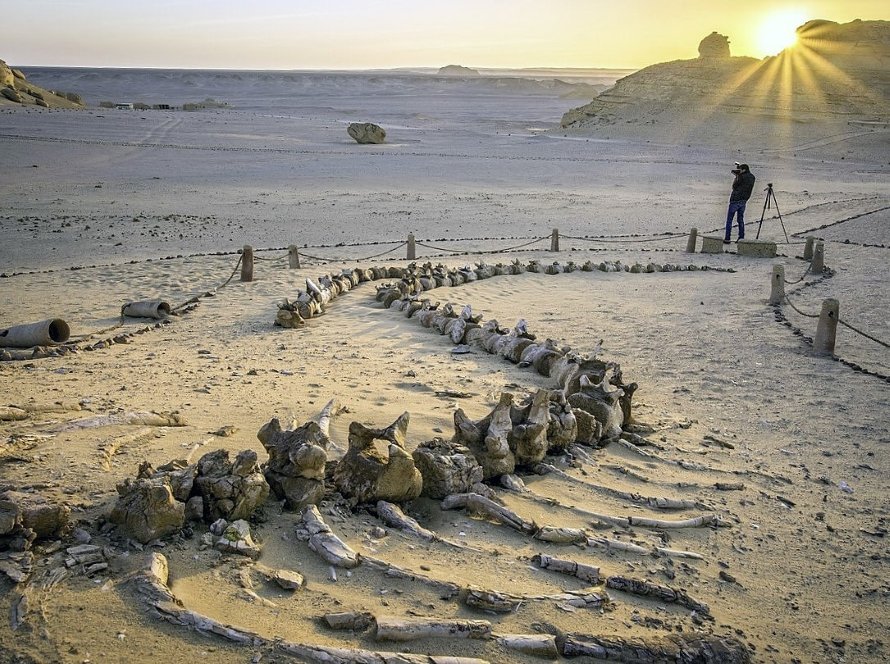
Imagine walking through a desert and stumbling upon a treasure trove of whale skeletons—not on a museum floor but in their natural habitat. Welcome to Wadi al-Hitan, or the Valley of the Whales, a UNESCO World Heritage Site tucked away in Egypt’s Faiyum Governorate.
- History: How Whales Ended Up in the Desert
- Interesting Facts / Key Points
- Activities: What to Do at Wadi al-Hitan
- 1. Explore the Fossil Trails
- 2. Visit the Fossil and Climate Change Museum
- 3. Photography and Filmmaking
- 4. Stargazing
- 5. Camping Adventures
- Getting There: How to Visit Wadi al-Hitan
- Nearby Points of Interest & Landmarks
- Recap: Why Visit Wadi al-Hitan?
This surreal landscape is more than just a fossil graveyard, it’s a window into Earth’s distant past when the sands were submerged under ancient seas. Whether you’re a science enthusiast, a nature lover, or just someone who enjoys unique adventures, Wadi al-Hitan promises an experience that’s equal parts educational and awe-inspiring.
History: How Whales Ended Up in the Desert
An Ocean Long Forgotten
About 40-50 million years ago, during the Eocene epoch, this area was part of the Tethys Sea. It was home to early whales known as Basilosaurus and Dorudon, which had distinct physical features bridging their evolution from land mammals to aquatic giants.
The Fossil Discoveries
In the early 20th century, paleontologists began uncovering the remarkably preserved fossils of these ancient whales. These discoveries painted a vivid picture of whale evolution, showing how these creatures transitioned from walking on land to swimming in the ocean.
From Local Treasure to Global Recognition
Wadi al-Hitan remained relatively unknown until its designation as a UNESCO World Heritage Site in 2005. It was recognized for its outstanding universal value in showcasing one of the most significant evolutionary transitions on Earth.
Interesting Facts / Key Points
- A Whale of a Tale:
Wadi al-Hitan is home to over 400 whale fossils, including complete skeletons of Basilosaurus, which could reach lengths of 18 meters (59 feet). - Evidence of Evolution:
The fossils include remnants of hind limbs, a key indicator of whales’ transition from land to water. - Preserved Ecosystem:
Beyond whales, the site features fossils of other marine life, such as sharks, rays, and turtles, as well as mangroves and seagrasses, offering a glimpse of an ancient ecosystem. - Desert Meets Sea:
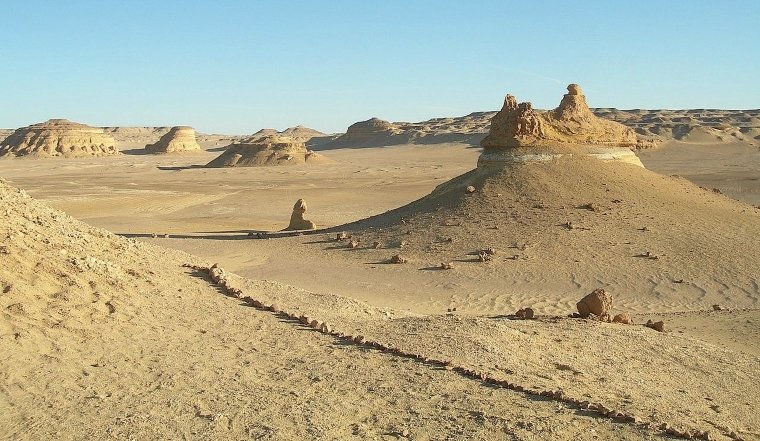
The juxtaposition of desert dunes and marine fossils creates an otherworldly landscape unlike any other in the world. - Natural Artistry:
The sandstone and limestone formations in Wadi al-Hitan are sculpted by wind and time, adding to the site’s visual allure. - Eco-Friendly Tourism:
The site is designed for sustainable tourism, with eco-lodges, walking paths, and a Fossil and Climate Change Museum blending seamlessly into the environment.
Activities: What to Do at Wadi al-Hitan
1. Explore the Fossil Trails
Wander along marked trails to see the fossilized skeletons up close. Information boards provide fascinating details about each specimen.
2. Visit the Fossil and Climate Change Museum
This museum houses smaller fossils, interactive displays, and information on the site’s history and significance.
3. Photography and Filmmaking
Capture the surreal beauty of the desert landscape, ancient fossils, and stunning rock formations. The golden hour offers magical lighting for photography.
4. Stargazing
Far from city lights, Wadi al-Hitan is an excellent spot for stargazing. On clear nights, the Milky Way puts on a dazzling show.
5. Camping Adventures
Spend a night under the stars by camping in designated eco-friendly areas. It’s a perfect way to connect with nature and embrace the desert’s tranquility.
Getting There: How to Visit Wadi al-Hitan
Location:
Wadi al-Hitan is located about 150 kilometers (93 miles) southwest of Cairo, within the Wadi El-Rayan Protected Area in the Faiyum Governorate.
By Car:
Driving from Cairo takes approximately 2-3 hours. A 4×4 vehicle is recommended, especially for the unpaved sections leading to the site.
By Tour:
Many travel companies offer guided tours from Cairo or Faiyum, often including transportation, meals, and a guide to provide insights into the fossils and landscape.
Best Time to Visit:
The cooler months (October to April) are ideal for exploring the site, as summer temperatures can be scorching.
Nearby Points of Interest & Landmarks
- Wadi El-Rayan Waterfalls:
Just 30 kilometers away, these waterfalls are Egypt’s largest and create a serene contrast to the arid desert surroundings. - Lake Qarun:
An ancient lake and bird-watching haven, known for its abundance of migratory birds and stunning sunsets. - Karanis (Kom Aushim):
Explore this ancient Greco-Roman city, featuring ruins, temples, and artifacts that offer a glimpse into Egypt’s diverse history. - Faiyum Oasis:
A lush oasis with lush greenery, historic villages, and natural beauty, perfect for a relaxing day trip. - Tunis Village:
A charming artisanal hub known for its pottery workshops, art studios, and cozy lodges.
Recap: Why Visit Wadi al-Hitan?
Wadi al-Hitan isn’t just a site for fossil enthusiasts—it’s a journey through time and space, offering a rare glimpse into Earth’s evolutionary history. From the jaw-dropping whale skeletons to the serene desert landscape, every corner of this UNESCO World Heritage Site tells a story worth exploring.
Whether you’re marveling at ancient marine giants, camping under the stars, or soaking in the natural beauty of Faiyum’s treasures, Wadi al-Hitan delivers an adventure that’s as educational as it is unforgettable. So pack your curiosity, and let this Valley of the Whales sweep you back millions of years! / photo credit