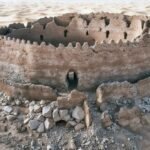





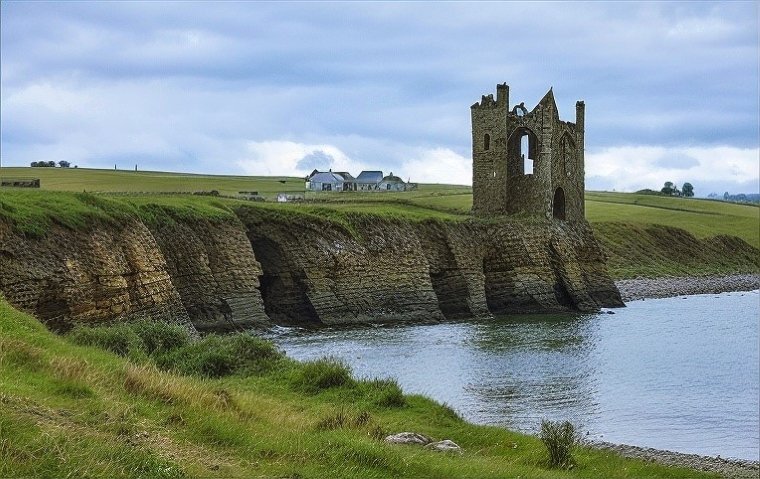
Located precariously on a cliff overlooking Sinclair’s Bay, Keiss Castle is one of Scotland’s most striking ruins. Located in Caithness, in the far north of the Scottish Highlands, this atmospheric site blends history, legend, and breathtaking natural beauty. With its rugged setting and dramatic silhouette against the North Sea, Keiss Castle offers visitors a taste of Scotland’s mysterious and storied past.
- History: The Rise and Fall of Keiss Castle
- Interesting Facts / Key Points
- Activities: What to Do at Keiss Castle
- 1. Explore the Ruins
- 2. Coastal Walks
- 3. Photography
- 4. Birdwatching
- 5. Visit Keiss House (Private Viewing)
- Getting There: How to Visit Keiss Castle
- Nearby Points of Interest & Landmarks
- Recap: Why Visit Keiss Castle?
Whether you’re a history lover, an adventurer, or simply someone seeking spectacular views, Keiss Castle is a must-visit destination that promises to enchant and inspire. Let’s dive into what makes this iconic ruin so special.
History: The Rise and Fall of Keiss Castle
The Early Days
Keiss Castle dates back to the late 16th or early 17th century, built by the Sinclair family, one of the most powerful clans in Scotland. The Sinclairs, known for their ambition and influence, constructed the castle as a stronghold and symbol of their dominance over the region.
Architectural Style
The castle is a fine example of the Scottish tower house, a design typical of the time. Its four-story structure, thick stone walls, and strategic coastal location were intended to protect against invaders and pirates.
Decline and Abandonment
By the 18th century, the castle had fallen into disrepair, and the Sinclair family built a new residence nearby, now known as Keiss House. The old castle was left to the elements, gradually eroding into the dramatic ruin we see today.
A Landmark of Conflict
The castle also bears witness to Scotland’s turbulent history, including clan rivalries and conflicts with the English crown. Its ruins serve as a reminder of a bygone era of power struggles and resilience.
Interesting Facts / Key Points
- Split Between Old and New
The Keiss estate features two distinct structures: the original castle ruin and Keiss House, an 18th-century mansion still standing nearby. - Cliff-Edge Location
Keiss Castle is perched dangerously close to the edge of a crumbling cliff, creating an awe-inspiring yet slightly precarious sight. This location was chosen for its strategic vantage point over Sinclair’s Bay. - A Favorite of Photographers
The castle’s silhouette against the backdrop of the North Sea, especially during sunrise or sunset, makes it a popular spot for photographers. - Surrounded by Archaeological Gems
The area around Keiss Castle is rich in archaeological sites, including ancient brochs (Iron Age roundhouses) and Pictish stone carvings. - Sinclair Legacy
The Sinclairs, who built the castle, were instrumental in shaping the history of Caithness. They even have ties to the infamous Knights Templar, adding a layer of mystique to the family’s history.
Activities: What to Do at Keiss Castle
1. Explore the Ruins
While access to the castle itself is limited due to its fragile state, you can walk around the site and admire the stunning architecture.
2. Coastal Walks
Take a stroll along the dramatic coastline. The cliffs offer spectacular views of Sinclair’s Bay, and the sea breeze adds a refreshing touch to your adventure.
3. Photography
Keiss Castle is a dream for photographers. The rugged ruins, crashing waves, and ever-changing skies make for a postcard-perfect shot.
4. Birdwatching
The cliffs and surrounding bay are home to various seabirds, including puffins, guillemots, and razorbills. Bring your binoculars!
5. Visit Keiss House (Private Viewing)
While the modern Keiss House is privately owned, some organized tours include information about its history and architecture.
Getting There: How to Visit Keiss Castle
Location:
Keiss Castle is located near the village of Keiss, about 11 miles (18 km) south of John o’ Groats and 8 miles (13 km) north of Wick in Caithness, Highland, Scotland.
By Car:
Driving is the most convenient way to reach Keiss Castle. From Wick, follow the A99 north for approximately 20 minutes. Parking is available near the village, with a short walk to the castle.
By Public Transport:
Regular buses run between Wick and John o’ Groats, stopping at Keiss. From the bus stop, the castle is within walking distance.
Guided Tours:
Many local tours include Keiss Castle as part of a broader exploration of Caithness and the surrounding landmarks.
Best Time to Visit:
The summer months (May to September) offer milder weather and longer daylight hours, ideal for exploring the site and the nearby coastline.
Nearby Points of Interest & Landmarks
- John o’ Groats:
Famous as one end of the iconic Land’s End to John o’ Groats route, this village offers charming shops, cafes, and incredible coastal views. - Castle Sinclair Girnigoe:
Another Sinclair family ruin, this dramatic castle near Wick is one of the oldest in Scotland and well worth a visit. - Duncansby Stacks:
These towering sea stacks near John o’ Groats are a geological wonder and a favorite spot for hikers and photographers. - Wick Heritage Museum:
Learn about the history of Caithness and its fishing industry at this fascinating local museum. - Old Keiss Broch:
Located near the castle, this Iron Age structure offers a glimpse into life in prehistoric Scotland. - Dunnet Head:
The northernmost point of mainland Britain, offering spectacular views and a chance to spot marine wildlife like seals and orcas.
Recap: Why Visit Keiss Castle?
Keiss Castle isn’t just a crumbling ruin—it’s a piece of living history perched on the edge of Scotland’s wild coastline. Its striking silhouette, rich heritage, and stunning surroundings make it a destination worth exploring.
Whether you’re tracing the footsteps of the Sinclairs, soaking in the raw beauty of the Highlands, or simply chasing that perfect photo, Keiss Castle promises an experience you’ll never forget. So, pack your walking boots, grab your camera, and head to this unforgettable slice of Scottish history!