




Situated in the picturesque town of Caprarola, Italy, Villa Farnese is a Renaissance jewel that promises to leave you spellbound. This grand palace, also known as Palazzo Farnese, is not just an architectural marvel but a journey through Italy’s storied past. With its rich history, breathtaking frescoes, and meticulously designed gardens, Villa Farnese offers visitors a perfect blend of art, culture, and nature. Whether you’re a history buff, an art enthusiast, or simply someone looking for an unforgettable experience, this hidden gem is a must-visit. So, let’s dive into what makes Villa Farnese a standout destination.
Villa Farnese was commissioned in the 16th century by Cardinal Alessandro Farnese, a member of the influential Farnese family, who played a pivotal role in shaping Renaissance Italy. Designed by the renowned architect Giacomo Barozzi da Vignola, the villa was initially intended as a fortress but later transformed into a luxurious palace.
Located about 50 kilometers north of Rome, in the Lazio region, the villa exemplifies the grandeur and opulence of the Farnese dynasty. Its strategic position on a hilltop offers sweeping views of the surrounding countryside, while its circular courtyard and geometric design reflect the harmony and balance characteristic of Renaissance architecture. The villa was not just a residence but a statement of power and prestige, symbolizing the Farnese family’s dominance and cultural patronage.
Today, Villa Farnese stands as one of the most well-preserved examples of Renaissance architecture and is a testament to the artistic and intellectual achievements of the era.
The Architectural and Artistic Marvels of Villa Farnese
As you step into Villa Farnese, you’re greeted by its iconic circular courtyard, a masterpiece of symmetry and proportion. This unique feature sets the tone for the villa’s extraordinary design. The palace’s five floors are adorned with intricate frescoes created by some of the most talented artists of the time, including the Zuccari brothers. Each room tells a story, with themes ranging from classical mythology to Farnese family history.
One of the villa’s highlights is the Sala del Mappamondo (Hall of the World Map), a room that features an exquisite map of the world as it was known in the 16th century. The vibrant colors and meticulous details make it a favorite among visitors.
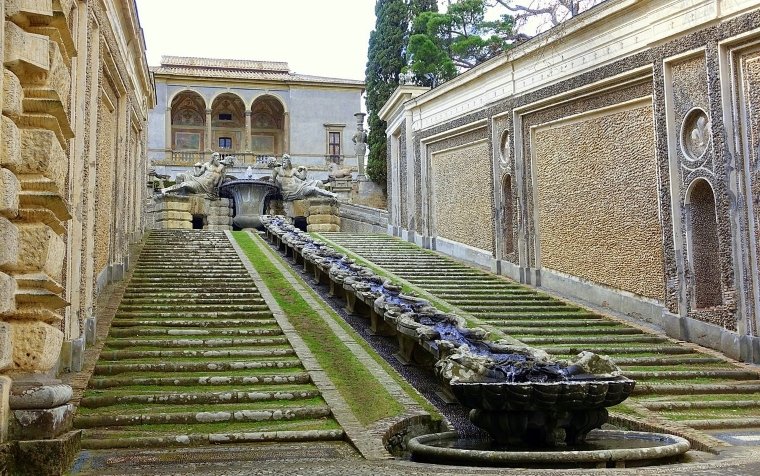
The villa’s gardens, known as the Giardini Segreti (Secret Gardens), are another marvel. Designed to complement the palace’s grandeur, these gardens feature terraces, fountains, and manicured hedges, offering a serene escape and stunning views of the surrounding landscape.
Interesting Facts and Key Points
- Fortress Origins: Villa Farnese’s transformation from a fortress to a palace symbolizes the shift from medieval to Renaissance ideals.
- Architectural Innovation: The circular courtyard was an architectural innovation at the time, showcasing Vignola’s genius.
- Frescoed Rooms: Nearly every room in the villa is adorned with frescoes, making it a living gallery of Renaissance art.
- Family Legacy: The Farnese family’s influence extended beyond Italy, with connections to the Papacy and European royalty.
- Film Location: Villa Farnese has been featured in several films, thanks to its stunning interiors and dramatic setting.
Travel Tips and Practical Information
If you’re planning a visit to Villa Farnese, here’s everything you need to know:
- Best Time to Visit: Spring and early autumn offer pleasant weather for exploring the villa and its gardens.
- How to Get There: Caprarola is about an hour’s drive from Rome. You can also take a train to Viterbo and then a bus to Caprarola.
- Guided Tours: Opt for a guided tour to fully appreciate the villa’s history, architecture, and art. Many tours are available in English.
- What to Bring: Comfortable shoes, as there’s a lot of walking, and a camera to capture the stunning details.
- Opening Hours and Fees: Check ahead for the latest opening hours and ticket prices, as these can vary seasonally.
Nearby Points of Interest and Landmarks
While Villa Farnese is the star attraction, the surrounding area offers plenty of other gems:
- Lake Vico: Just a short drive away, this volcanic lake is perfect for a relaxing afternoon by the water.
- Viterbo: Known for its medieval charm and thermal baths, Viterbo is a great addition to your itinerary.
- Villa Lante: Located in Bagnaia, this Renaissance villa is famed for its stunning gardens and fountains.
- Monte Soratte: A popular spot for hiking, offering panoramic views of the Lazio countryside.
- Civita di Bagnoregio: A bit further afield, this “dying city” perched on a hilltop is a breathtaking sight.
Recap
Villa Farnese is more than just an architectural marvel; it’s a journey into the heart of Renaissance Italy. From its stunning frescoes and innovative design to its lush gardens and rich history, the villa offers an experience that’s both educational and inspiring. Combine your visit with nearby attractions, and you’ll find yourself immersed in the beauty and culture of Lazio. Ready to step back in time and explore one of Italy’s finest treasures? Villa Farnese is waiting for you!