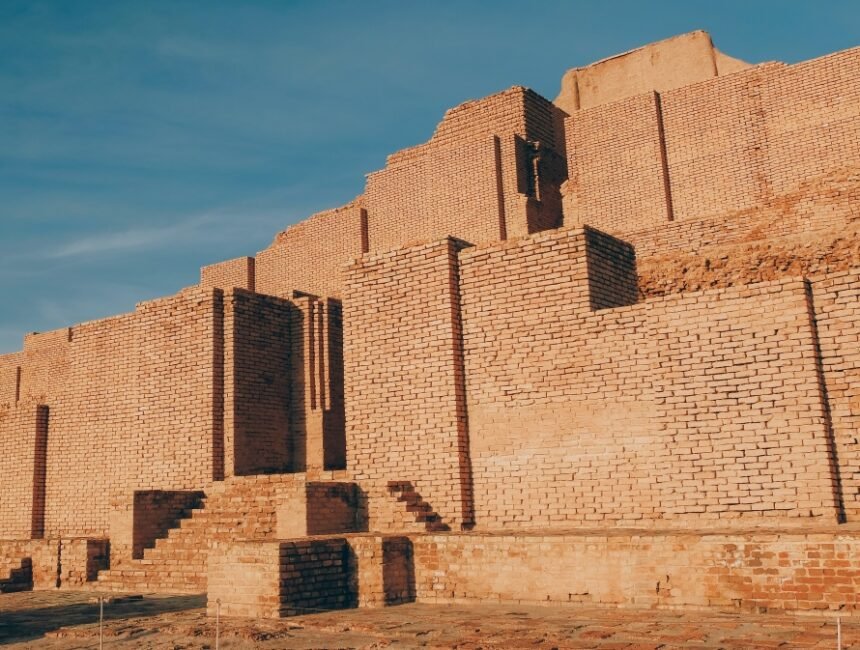
In the arid plains of Khuzestan, Iran, stands Chogha Zanbil, a mesmerizing structure that whispers stories of a civilization long past. Built over 3,200 years ago, this UNESCO World Heritage Site is one of the best-preserved ziggurats in the world. Its towering presence, ancient inscriptions, and awe-inspiring scale make it a must-visit for history buffs and adventure seekers alike.
- History: A Glimpse into Elamite Brilliance
- Interesting Facts / Key Points
- Activities: What to Do at Chogha Zanbil
- 1. Walk the Ziggurat’s Perimeter
- 2. Decode Ancient Inscriptions
- 3. Explore the City Ruins
- 4. Witness a Desert Sunset
- 5. Photography and Sketching
- Getting There: How to Visit Chogha Zanbil
- Nearby Points of Interest & Landmarks
- Recap: Why Visit Chogha Zanbil?
Whether you’re curious about ancient engineering, enchanted by mythology, or simply enjoy marveling at humanity’s enduring legacy, Chogha Zanbil promises an unforgettable journey back in time. So, let’s delve into the mysteries of this extraordinary site!
History: A Glimpse into Elamite Brilliance
The Foundation of Chogha Zanbil
Constructed in 1250 BCE by the Elamite king Untash-Napirisha, Chogha Zanbil was dedicated to Inshushinak, the god of Susa. This grand ziggurat was the centerpiece of Dur-Untash, a sacred city designed to honor the gods and serve as a spiritual hub.
The name Chogha Zanbil means “basket mound” in the local language, referring to the ziggurat’s layered design. Unlike many other ancient structures, it wasn’t meant for worship by the general public; instead, it was reserved for priests and religious ceremonies.
Decline and Rediscovery
After the fall of the Elamite civilization, the site was abandoned, left to the mercy of time and the elements. For centuries, it lay buried under layers of sand and soil until its rediscovery in the 20th century. Today, it stands as a testament to the architectural and spiritual ambitions of an ancient empire.
Interesting Facts / Key Points
- One of the Oldest Ziggurats in the World
While ziggurats are primarily associated with Mesopotamia, Chogha Zanbil holds its own as one of the most intact examples of this architectural style. - Advanced Engineering
The site features an advanced water management system, including canals, reservoirs, and clay pipes—showcasing the Elamites’ ingenuity. - Once a Towering Giant
Originally five stories tall and nearly 50 meters high, the ziggurat now stands at a reduced height due to natural erosion. Despite this, it remains an imposing structure. - UNESCO Recognition
Chogha Zanbil was designated a UNESCO World Heritage Site in 1979, making it one of Iran’s first sites to receive this honor. - Elaborate Inscriptions
The bricks of Chogha Zanbil bear cuneiform inscriptions, many of which praise King Untash-Napirisha and his dedication to the gods. - Built Without Mortar
The structure is held together by precisely fitted mud bricks and kiln-fired bricks, showcasing the craftsmanship of its builders. - Sacred City Layout
Dur-Untash was designed with three concentric walls that separated the ziggurat, residential areas, and temples, emphasizing the city’s spiritual purpose.

Activities: What to Do at Chogha Zanbil
1. Walk the Ziggurat’s Perimeter
Stroll around the grand structure and marvel at its intricate brickwork and imposing scale. The view of the surrounding plains adds to the experience.
2. Decode Ancient Inscriptions
Bring a guidebook or join a guided tour to interpret the cuneiform inscriptions etched into the bricks. These writings offer fascinating insights into Elamite culture and religion.
3. Explore the City Ruins
Beyond the ziggurat, you’ll find remnants of Dur-Untash, including temples, palaces, and the advanced water management system.
4. Witness a Desert Sunset
Stick around until evening to see the sun set over the Khuzestan plains, casting a golden glow over the ancient bricks. It’s a magical sight that feels like stepping into another era.
5. Photography and Sketching
Whether you’re a professional photographer or just love snapping memories, Chogha Zanbil provides endless inspiration. Artists will also find the structure’s geometry and textures irresistible.
Getting There: How to Visit Chogha Zanbil
Location:
Chogha Zanbil is located in Khuzestan Province, approximately 30 kilometers southeast of Shush (Susa) and 80 kilometers north of Ahvaz.
By Car:
Driving is the most convenient way to reach Chogha Zanbil. From Ahvaz, the journey takes about 1.5 hours, while it’s just a 40-minute drive from Shush.
By Public Transport:
While buses and shared taxis operate in the region, they may not stop directly at the site. Hiring a taxi from nearby cities is a practical alternative.
Guided Tours:
For a hassle-free experience, consider joining a guided tour from Ahvaz or Shush. These often include transportation, detailed explanations, and stops at nearby attractions.
Best Time to Visit:
The cooler months (November to March) are ideal for exploring Chogha Zanbil, as summer temperatures can soar above 40°C (104°F).
Nearby Points of Interest & Landmarks
- Susa (Shush):
Once the capital of the Elamite Empire, Susa boasts archaeological treasures like the Apadana Palace, the Tomb of Daniel, and the Shush Museum. - Shushtar Hydraulic System:
A marvel of ancient engineering, this UNESCO-listed site features watermills, canals, and bridges that date back to the Sassanian era. - Haft Tappeh:
Another Elamite archaeological site, Haft Tappeh, offers insights into daily life and burial practices of this ancient civilization. - Dezful:
A charming city known for its ancient bridges, vibrant bazaars, and traditional architecture. - Ahvaz:
As the capital of Khuzestan, Ahvaz is a bustling city with modern amenities, riverside parks, and a rich cultural scene.
Recap: Why Visit Chogha Zanbil?
Chogha Zanbil isn’t just a pile of ancient bricks, it’s a storybook carved into the landscape of Khuzestan. From its towering ziggurat to its intricate inscriptions and water systems, this site offers a profound connection to humanity’s shared history.
Whether you’re uncovering Elamite secrets, capturing the beauty of the desert, or simply standing in awe of ancient ingenuity, Chogha Zanbil is a destination that leaves a lasting impression. So, step into the heart of Persia’s past and let Chogha Zanbil transport you to an era of gods, kings, and timeless architectural wonders!