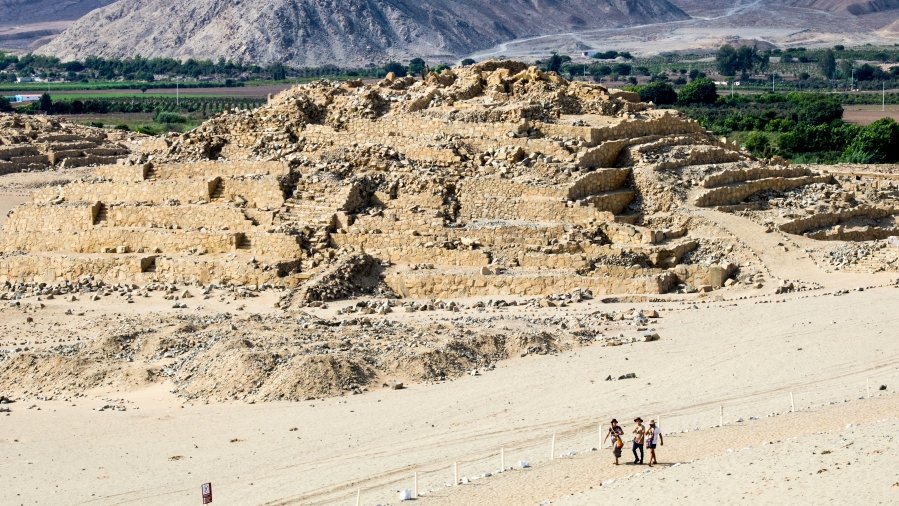





Located in the stunning Andean highlands of Ecuador, the Ingapirca Ruins offer a glimpse into the incredible ingenuity and culture of the ancient Cañari and Inca civilizations. Translating to “Wall of the Inca” in Quechua, Ingapirca is Ecuador’s most significant archaeological site. But it’s not just about stones and structures; this place holds a treasure trove of stories, legends, and breathtaking views.
- History: A Tale of Two Civilizations
- Interesting Facts / Key Points
- Activities: What to Do at Ingapirca
- 1. Explore the Ruins
- 2. Admire the Scenery
- 3. Visit the Cara del Inca
- 4. Learn at the Interpretation Center
- 5. Participate in Local Festivals
- Getting There: How to Visit Ingapirca
- Nearby Points of Interest & Landmarks
- Recap: Why Visit Ingapirca?
Whether you’re a history buff, a culture lover, or an adventurer seeking off-the-beaten-path experiences, Ingapirca is a must-see destination. So, pack your curiosity and join us on an exploration of this iconic site.
History: A Tale of Two Civilizations
Ingapirca’s story is a blend of two distinct yet interconnected cultures: the indigenous Cañari people and the Inca Empire.
The Cañari Foundation
Long before the Inca expansion, the Cañari people thrived in the region. They built ceremonial and astronomical sites, aligning their structures with celestial events. Their reverence for duality (sun and moon, male and female) heavily influenced their culture and architecture.
The Inca Takeover
In the 15th century, the Inca Empire expanded into the Cañari territory. Rather than erasing the local culture, the Incas integrated it, adding their own architectural styles and customs. Ingapirca became a hybrid site, blending Cañari astronomical traditions with Inca construction techniques.
The Temple of the Sun, Ingapirca’s centerpiece, exemplifies the precision of Inca stonework. Built using ashlar masonry—where stones are cut to fit together without mortar—it reflects their advanced engineering skills and astronomical knowledge.
Colonial Decline
Following the Spanish conquest, the site was partially dismantled as colonial settlers repurposed its stones for their own buildings. What remains today is a fascinating glimpse into a bygone era, protected as a national treasure.
Interesting Facts / Key Points
- Astronomical Significance:
The Temple of the Sun was strategically positioned to align with the solstices. During the June solstice, sunlight streams directly into the temple’s center—a feat of ancient engineering. - Dual Cultures:
Unlike most Inca sites, Ingapirca incorporates both Inca and Cañari elements. This blend is unique to the region, making it a symbol of cultural fusion. - Ingenious Water Systems:
The site features an intricate canal system designed to collect and distribute rainwater, showcasing the Inca’s advanced understanding of hydraulics. - Sacred Spaces:
Nearby, you’ll find the Cara del Inca (Inca Face), a natural rock formation that resembles a human profile. It’s believed to have been a sacred spot for rituals. - Largest Inca Ruins in Ecuador:
While the ruins may not rival Peru’s Machu Picchu in size, Ingapirca holds the title for Ecuador’s most significant Inca site.
Activities: What to Do at Ingapirca
1. Explore the Ruins
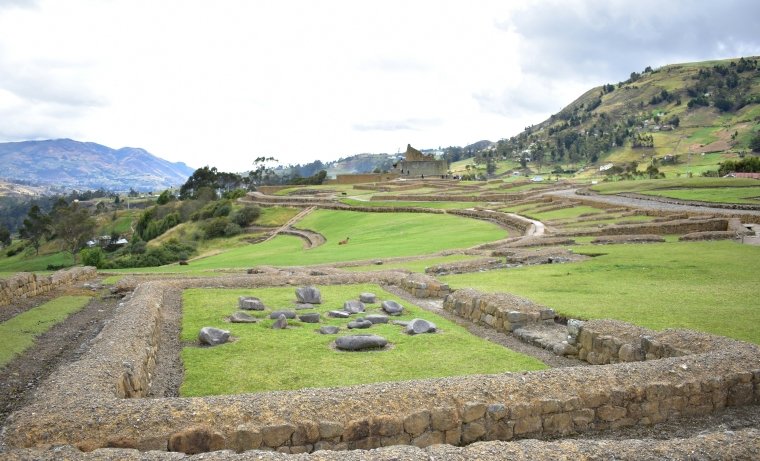
Take a guided tour of the site to fully appreciate its history and architecture. Highlights include the Temple of the Sun, residential quarters, and agricultural terraces.
2. Admire the Scenery
Surrounded by rolling green hills and dramatic Andean landscapes, Ingapirca is a visual treat. Don’t forget your camera!
3. Visit the Cara del Inca
Hike to this fascinating rock formation for a closer look. Many believe it has spiritual significance tied to the site’s history.
4. Learn at the Interpretation Center
The on-site museum offers detailed exhibits about the Cañari and Inca cultures, complete with artifacts, maps, and reconstructions.
5. Participate in Local Festivals
If you visit during the Inti Raymi (Festival of the Sun) in June, you’ll witness traditional ceremonies, music, and dance celebrating Inca and Cañari heritage.
Getting There: How to Visit Ingapirca
Location:
Ingapirca is located about 80 kilometers (50 miles) north of Cuenca, in the Cañar Province of Ecuador.
By Bus:
From Cuenca, take a bus to Cañar (approximately 2 hours) and then a local bus or taxi to the ruins.
By Car:
If you prefer flexibility, rent a car in Cuenca. The drive takes around 90 minutes, and the roads are scenic but well-maintained.
Guided Tours:
Many tour operators in Cuenca offer day trips to Ingapirca, often including transportation, a guided tour, and stops at other attractions.
Best Time to Visit:
The site is open year-round, but the dry season (June to September) offers the best weather for exploring.
Nearby Points of Interest & Landmarks
- Cuenca:
A UNESCO World Heritage city known for its colonial architecture, vibrant art scene, and charming cobblestone streets. - Cajas National Park:
Just west of Cuenca, this high-altitude park boasts over 200 lakes, diverse wildlife, and excellent hiking trails. - Gualaceo and Chordeleg:
These nearby towns are famous for their artisan crafts, especially silver jewelry and textiles. - El Tambo:
A small town with its own set of ancient ruins and a relaxed atmosphere, perfect for a quiet afternoon. - Azogues:
Known for its stunning churches and authentic local markets, this town is a great stop on your way to or from Ingapirca.
Recap: Why Visit Ingapirca?
Ingapirca is more than just a historical site—it’s a portal to a time when the stars dictated life, cultures blended seamlessly, and every stone had a story. From its fascinating architecture and celestial alignment to its breathtaking surroundings, this site is a testament to human ingenuity and cultural harmony.
Whether you’re tracing the footsteps of the Incas or soaking in the beauty of the Andes, Ingapirca promises an experience that’s as enriching as it is unforgettable. So, what are you waiting for? Discover Ecuador’s most iconic ruins and let history come alive before your eyes! / photo credit