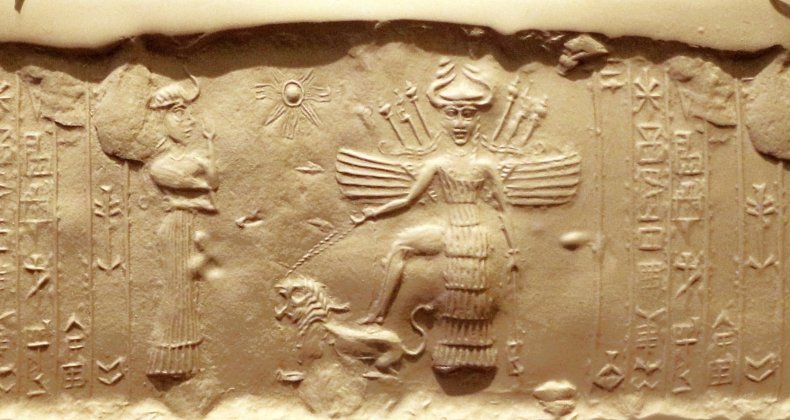
In the annals of literary history, one name stands out as a beacon of ancient wisdom and creativity: Enheduanna. This remarkable woman, who lived over 4,000 years ago in ancient Mesopotamia, holds the distinction of being the world’s first known author. Her groundbreaking work not only shaped the literary landscape of her time but continues to inspire and intrigue scholars and readers alike to this day.
- Who Was Enheduanna?
- Enheduanna’s Literary Legacy
- The Significance of Enheduanna’s Work
- 1. First Known Author
- 2. Blending of Sumerian and Akkadian Cultures
- 3. Personal Voice in Literature
- 4. Influence on Later Literature
- Enheduanna’s Role as High Priestess
- Rediscovery and Modern Recognition
- The Continuing Relevance of Enheduanna
- Conclusion: A Timeless Literary Pioneer
Who Was Enheduanna?
Enheduanna, whose name means “High Priestess of An” or “Lady Ornament of Heaven,” was born around 2285 BCE in the ancient Sumerian city-state of Ur, located in modern-day Iraq. She was the daughter of Sargon the Great, the founder of the Akkadian Empire, and served as the high priestess of the moon god Nanna in Ur.
Key Facts:
- Born: c. 2285 BCE
- Died: c. 2250 BCE
- Occupation: High Priestess, Poet, Author
- Known for: Being the first known author in world history
Enheduanna’s Literary Legacy
Enheduanna’s contributions to literature are nothing short of revolutionary. She is credited with composing numerous hymns, prayers, and other works that have survived the test of time. Her most famous compositions include:
- The Exaltation of Inanna: A deeply personal hymn praising the goddess Inanna and recounting Enheduanna’s own exile and eventual reinstatement as high priestess.
- The Hymns to Inanna: A collection of 42 temple hymns dedicated to various deities and their temples across Sumer and Akkad.
- In-nin šà-gur4-ra: A hymn to Inanna that showcases the goddess’s power and multifaceted nature.
These works not only demonstrate Enheduanna’s poetic prowess but also provide invaluable insights into the religious and political landscape of ancient Mesopotamia.
The Significance of Enheduanna’s Work
Enheduanna’s writings are groundbreaking for several reasons:
1. First Known Author
By signing her name to her works, Enheduanna became the first known author in history. This act of claiming authorship was unprecedented and set a new standard for literary creation.
2. Blending of Sumerian and Akkadian Cultures
Enheduanna’s works skillfully combined elements of Sumerian and Akkadian cultures, reflecting the political and cultural unification efforts of her father’s empire.
3. Personal Voice in Literature
Her compositions, particularly “The Exaltation of Inanna,” introduce a personal voice to literature, expressing her own experiences and emotions – a revolutionary concept for its time.
4. Influence on Later Literature
Enheduanna’s style and themes had a lasting impact on Mesopotamian literature and possibly influenced later works, including biblical psalms.
Enheduanna’s Role as High Priestess
As the high priestess of Nanna, Enheduanna held a position of great religious and political importance. Her duties included:
- Overseeing religious ceremonies and rituals
- Managing the temple’s resources and personnel
- Acting as an intermediary between the people and the gods
- Composing hymns and prayers for religious observances
This powerful position allowed Enheduanna to wield significant influence in both the spiritual and secular realms of ancient Mesopotamian society.
Rediscovery and Modern Recognition
Enheduanna’s works were lost to time for thousands of years until archaeologists discovered clay tablets containing her writings in the mid-20th century. Since then, her contributions to literature and history have gained increasing recognition:
- In 1927, archaeologist Sir Leonard Woolley discovered her alabaster disk, which bore her image and title, in Ur.
- Her works have been translated into numerous languages and are studied in universities worldwide.
- Enheduanna has become a symbol of women’s empowerment and literary achievement.
The Continuing Relevance of Enheduanna
Despite the vast gulf of time separating us from Enheduanna, her work continues to resonate with modern readers and scholars. Her themes of divine power, personal struggle, and the human condition remain as relevant today as they were four millennia ago.
Enheduanna’s Impact on:
- Feminist Studies: As the first known female author, Enheduanna has become an important figure in feminist literary criticism and history.
- Religious Studies: Her hymns provide valuable insights into ancient Mesopotamian religious practices and beliefs.
- Literary Analysis: Enheduanna’s use of metaphor, personification, and other literary devices continues to be studied and admired by scholars.
- Historical Research: Her works offer a unique window into the political and cultural landscape of the Akkadian Empire.
Conclusion: A Timeless Literary Pioneer
Enheduanna’s legacy as the world’s first known author is a testament to the enduring power of the written word. Her courage in claiming authorship, her skill in weaving together diverse cultural threads, and her ability to express deeply personal experiences through her writing make her a true pioneer in the world of literature.
As we continue to uncover and interpret the fragments of her work that have survived through the millennia, we gain not only a deeper understanding of ancient Mesopotamian culture but also a profound appreciation for the universal human experiences that connect us across time and space.
Enheduanna’s voice, echoing across four thousand years, reminds us of the timeless nature of great literature and the enduring impact of those who dare to put their thoughts and experiences into words. As the first known author in world history, Enheduanna blazed a trail that countless writers have followed, enriching our collective human experience through the power of the written word. / photo credit