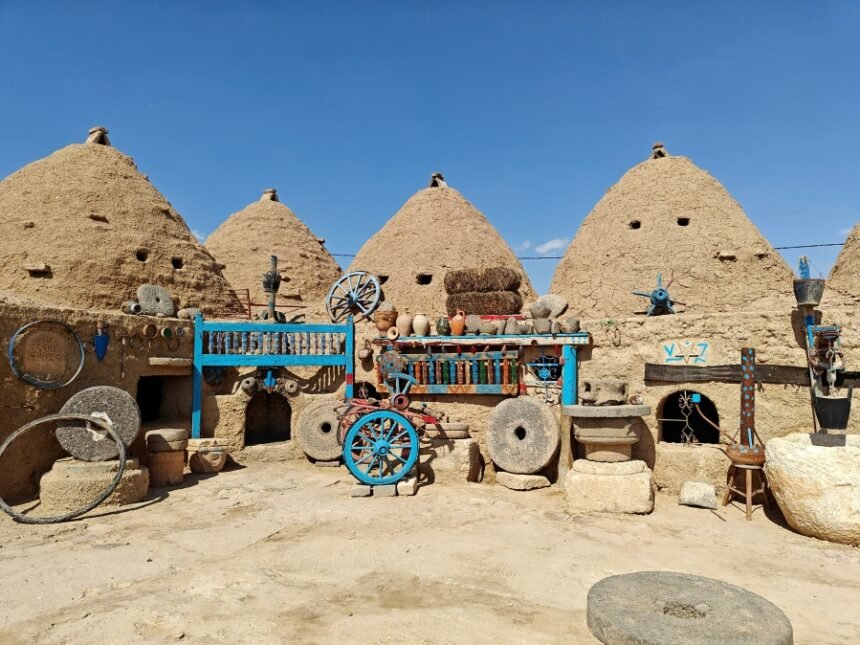
Located in Turkey’s southeast, Harran is a destination that deserves a spot on every adventurous traveler’s bucket list. While it may not be as well-known as Istanbul or Cappadocia, Harran offers a fascinating blend of history, culture, and unique architecture. With its distinctive beehive houses, centuries-old ruins, and vibrant traditions, this ancient city will transport you back in time. If you’re a traveler who craves off-the-beaten-path adventures and historical treasures without the tourist crowds, Harran is calling your name! So, let’s dive into what makes this hidden gem so special.
Harran, located near the Syrian border, is one of the oldest continuously inhabited places in the world, with roots tracing back over 5,000 years. Once a thriving center of trade and learning, it was an important stop on the ancient Silk Road. Its name even pops up in the Bible and historical records of empires like the Assyrians, Babylonians, and Romans. Harran was also known for its significant contributions to astronomy and philosophy during the medieval Islamic period, with the city’s scholars influencing knowledge across the globe.
Today, Harran’s charm lies in its ancient ruins, traditional mud-brick beehive houses, and the rich cultural heritage of the Kurdish and Arab communities that call it home. Its remote location in Şanlıurfa Province makes it an enticing destination for those looking to discover a quieter, more authentic side of Turkey—far removed from the hustle of major tourist hotspots.
Main Attractions
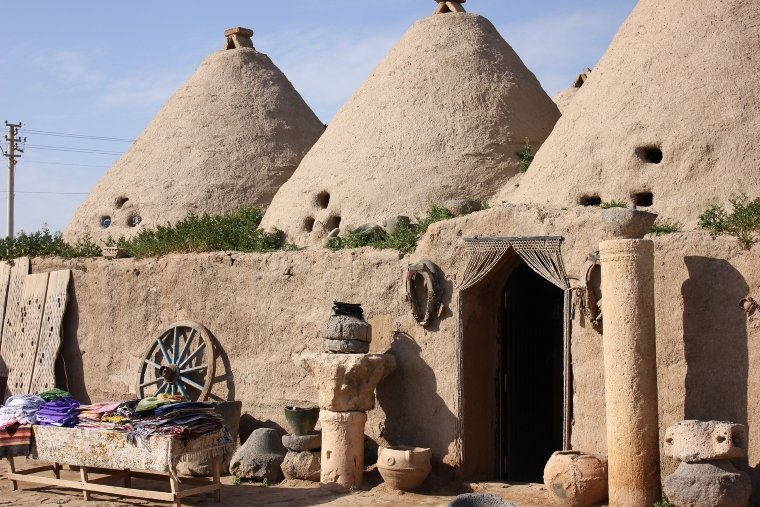
- Beehive Houses : The beehive-shaped houses are perhaps Harran’s most iconic feature. These mud-brick structures, with their unique domed roofs, date back centuries and are designed to keep cool in the scorching summer heat. You can even visit some homes that have been preserved as museums, giving a glimpse into traditional life in the region. Wander through the narrow streets and marvel at this architectural wonder—it’s like stepping into another world.
- Harran Ruins : If you’re a history buff, the ancient ruins scattered across Harran will leave you in awe. The remains of the Harran University, which was one of the world’s earliest Islamic universities, are a testament to the city’s historical importance. You’ll also find the grand city walls, a crumbling citadel, and the remnants of the Great Mosque of Harran, one of the oldest mosques in Anatolia. It’s easy to spend hours exploring these sites and imagining what life was like in Harran’s heyday.
- Harran’s Starry Skies : Long before telescopes were invented, Harran was a center for astronomy. Scholars here mapped the stars and contributed to the understanding of the universe. Today, the clear night skies of Harran are perfect for stargazing, offering a connection to the city’s astronomical past. For photography enthusiasts, the contrast between the ancient ruins and the starlit sky makes for some stunning shots.
Off-the-Beaten-Path Recommendations
- Bazda Caves : Not far from Harran, you’ll find the impressive Bazda Caves. These ancient quarries, carved into soft rock, were used to supply stone for building projects throughout the region. The caves’ vast chambers and intricate carvings make for an unforgettable (and often eerily quiet) exploration.
- Sogmatar Ruins
A lesser-known gem, the Sogmatar Ruins are an ancient worship site dedicated to the moon god Sin. Located about 30 kilometers from Harran, this remote archaeological site features ancient inscriptions, cave temples, and tombs. It’s a peaceful place, far from the usual tourist trail, perfect for those who enjoy combining history with solitude.
Activities
- Walking Tours
Harran is best explored on foot, allowing you to soak up the atmosphere at your own pace. Local guides are available to share fascinating stories about the town’s history, and you can even arrange a tour that includes neighboring villages and historical sites. These tours are a great way to connect with locals and experience Harran’s rich culture firsthand. - Local Workshops
One of the best ways to immerse yourself in Harran’s traditions is by participating in local craft workshops. You’ll find opportunities to learn pottery-making, rug weaving, and even the art of cooking local dishes. It’s a fantastic way to support the local community and bring home a unique, handmade souvenir. - Cultural Festivals
Time your visit to coincide with one of Harran’s cultural festivals, and you’ll be treated to traditional music, dance, and food. These festivals are a great way to experience the vibrant mix of Kurdish, Arab, and Turkish influences that define the region’s culture. Plus, they’re a lot of fun!
Travel Tips and Practical Information
- Best Time to Visit: The summer heat in Harran can be intense, so plan your trip during the spring (March-May) or fall (September-November) for more comfortable temperatures.
- Getting There: Harran is about an hour’s drive from the city of Şanlıurfa, which is accessible by bus or plane from major cities like Istanbul or Ankara. Renting a car or hiring a driver is the best way to reach Harran, as public transportation is limited.
- What to Wear: Harran is a conservative region, so it’s a good idea to dress modestly, especially if you plan to visit religious sites. Light, breathable clothing is essential during the warmer months.
- Local Etiquette: While the locals are friendly and welcoming, it’s important to respect their customs. Be mindful of photography, especially when visiting homes or interacting with people in traditional attire. Always ask for permission before taking photos.
Final Thoughts
Harran is a captivating destination that offers a glimpse into Turkey’s ancient past while providing a peaceful escape from the typical tourist circuit. Whether you’re exploring its historical ruins, wandering through the beehive houses, or uncovering hidden gems in the surrounding countryside, Harran promises an unforgettable adventure. So, pack your curiosity and sense of wonder, and get ready to discover one of Turkey’s best-kept secrets!