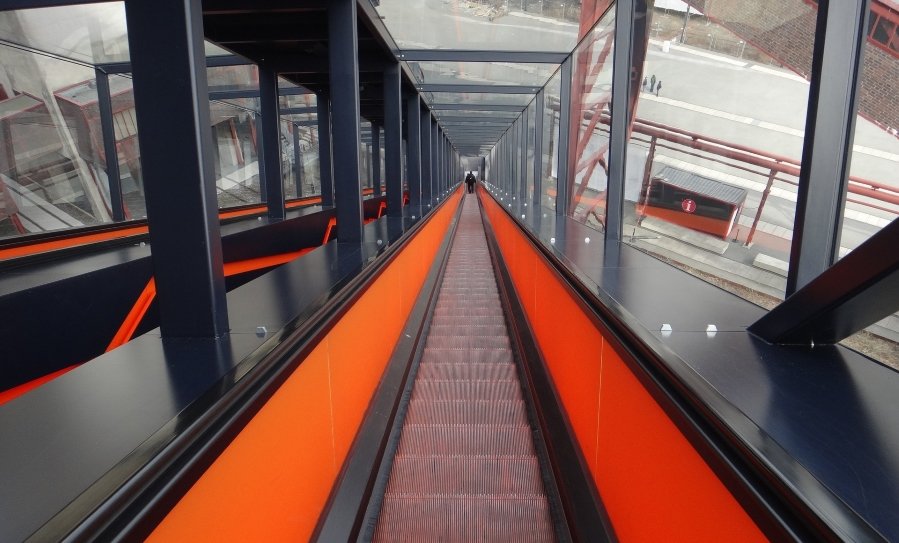
In the heart of once-bustling industrial zones, a quiet revolution is taking place. Towering smokestacks that once belched plumes of smoke now stand silent, their iron-clad structures a testament to a bygone era. But these remnants of our industrial past are far from abandoned. Across the globe, visionary preservationists and cultural enthusiasts are breathing new life into these historic sites, transforming them from relics of industry into vibrant centers of culture and education.
From the cavernous halls of former steel mills to the intricate machinery of old textile factories, these industrial spaces are finding surprising new purposes as museums, art galleries, and interactive learning centers. This transformation not only preserves important chapters of our economic and social history but also offers visitors a unique window into the technological marvels that shaped our modern world.
As we embark on this journey through the hidden gems of industrial heritage, we’ll explore how these sites of production have become bastions of preservation. We’ll uncover the stories of ingenuity and labor that echo through their restored corridors, and discover how the repurposing of these industrial giants is revitalizing communities and changing our perception of what constitutes a cultural landmark.
Join us as we delve into the fascinating world where gears and girders meet galleries and guided tours, and where the rhythmic pounding of machinery has given way to the curious footsteps of visitors eager to connect with the industrial roots that have shaped our societies.
In the heart of once-bustling industrial zones, a quiet revolution is taking place. Towering smokestacks that once belched plumes of smoke now stand silent, their iron-clad structures a testament to a bygone era. But these remnants of our industrial past are far from abandoned. Across the globe, visionary preservationists and cultural enthusiasts are breathing new life into these historic sites, transforming them from relics of industry into vibrant centers of culture and education.
From the cavernous halls of former steel mills to the intricate machinery of old textile factories, these industrial spaces are finding surprising new purposes as museums, art galleries, and interactive learning centers. But the reimagining of these spaces goes far beyond traditional cultural institutions. Former power plants now host immersive theater performances, their turbine halls providing dramatic backdrops for cutting-edge productions. Abandoned warehouses have been converted into trendy food halls, where local culinary entrepreneurs showcase their talents amidst the raw industrial aesthetics.
In some cities, old factories have found new life as innovation hubs and co-working spaces, their open floor plans and sturdy infrastructure perfectly suited to fostering creativity and collaboration among startups and entrepreneurs. Others have been transformed into unique housing developments, with loft apartments that celebrate the buildings’ industrial heritage while providing modern, eco-friendly living spaces.
Perhaps most intriguingly, some industrial sites have been repurposed as adventure and leisure destinations. Former quarries now serve as rock-climbing centers or scuba diving facilities, while decommissioned steel mills host zip-line courses that offer thrilling views of the surrounding landscape. These diverse adaptations not only preserve important chapters of our economic and social history but also offer visitors a unique window into the technological marvels that shaped our modern world, all while serving contemporary needs and interests.
As we embark on this journey through the hidden gems of industrial heritage, we’ll explore how these sites of production have become bastions of preservation. We’ll uncover the stories of ingenuity and labor that echo through their restored corridors, and discover how the repurposing of these industrial giants is revitalizing communities and changing our perception of what constitutes a cultural landmark.
Join us as we delve into the fascinating world where gears and girders meet galleries and guided tours, where the rhythmic pounding of machinery has given way to the curious footsteps of visitors eager to connect with the industrial roots that have shaped our societies, and where the spirit of innovation continues to thrive in unexpected ways.
In recent decades, a new trend has emerged in the world of tourism and cultural preservation: industrial heritage tourism. This phenomenon represents a shift in how we perceive and value the remnants of our industrial past, transforming them from eyesores slated for demolition into prized attractions that offer unique insights into our cultural and economic history.
Changing Perceptions
The rise of industrial heritage tourism can be attributed to several factors:
- Nostalgia and Cultural Identity: As manufacturing declined in many Western countries, there grew a collective nostalgia for the industrial era. These sites became symbols of national and local identity, representing periods of economic prosperity and technological innovation.
- Educational Value: Preserved industrial sites offer tangible connections to historical events and technological advancements, providing invaluable educational experiences for visitors of all ages.
- Architectural Appreciation: The robust, functional architecture of industrial buildings has gained appreciation for its unique aesthetic qualities, often featuring vast spaces, interesting textures, and innovative structural solutions.
- Sustainable Development: Repurposing existing structures aligns with growing environmental concerns, offering a sustainable alternative to new construction.
Economic and Social Impact
Industrial heritage tourism has proven to be a powerful tool for economic revitalization:
- Urban Regeneration: The transformation of industrial sites often catalyzes wider urban renewal, attracting further investment and development to formerly neglected areas.
- Job Creation: Beyond construction and restoration jobs, these sites create long-term employment in tourism, education, and cultural sectors.
- Community Pride: Successful projects can instill a sense of pride in local communities, helping to preserve local history and traditions.
Global Recognition
The importance of industrial heritage has gained international recognition:
- UNESCO World Heritage Sites: Many industrial sites have been designated as UNESCO World Heritage Sites, acknowledging their universal value to human history and culture.
- European Route of Industrial Heritage (ERIH): This initiative connects important industrial heritage sites across Europe, promoting them as part of a shared European industrial legacy.
As we continue to navigate the post-industrial era, the preservation and reimagining of our industrial heritage offer not just a window into our past, but also innovative solutions for our present and future. The rise of industrial heritage tourism reflects a growing appreciation for the complex tapestry of human achievement, where the story of industry becomes an integral part of our cultural narrative.
Global Recognition
The importance of industrial heritage has gained significant international recognition, reflecting a growing global awareness of its cultural, historical, and educational value:
- UNESCO World Heritage Sites:
- Many industrial sites have been designated as UNESCO World Heritage Sites, acknowledging their universal value to human history and culture.
- Notable examples include:
- Ironbridge Gorge in Shropshire, UK (listed in 1986): Considered the birthplace of the Industrial Revolution.
- Zollverein Coal Mine Industrial Complex in Essen, Germany (listed in 2001): One of the largest and most modern colliery sites in Europe.
- Humberstone and Santa Laura Saltpeter Works in Chile (listed in 2005): Representing the saltpeter industry that transformed the Atacama Desert.
- European Route of Industrial Heritage (ERIH):
- This initiative connects important industrial heritage sites across Europe, promoting them as part of a shared European industrial legacy.
- ERIH includes over 1,850 sites in 47 countries, creating thematic routes such as textiles, mining, and iron and steel.
- The network helps smaller sites benefit from increased visibility and promotes industrial tourism across borders.
- TICCIH (The International Committee for the Conservation of the Industrial Heritage):
- TICCIH is the world organization for industrial heritage, promoting preservation, conservation, investigation, documentation, research, and interpretation of industrial heritage.
- It acts as a scientific advisor to ICOMOS (International Council on Monuments and Sites) on industrial heritage matters.
- TICCIH organizes conferences and publishes studies that contribute to the global understanding and appreciation of industrial heritage.
- National Initiatives:
- Many countries have established their own programs to recognize and preserve industrial heritage:
- In the UK, the Association for Industrial Archaeology works to promote the study, preservation, and presentation of Britain’s industrial heritage.
- Germany’s Ruhr region has transformed its industrial landscape into the “Industrial Heritage Trail,” connecting numerous former industrial sites now serving as cultural venues.
- In the US, the National Park Service’s Heritage Documentation Programs include the Historic American Engineering Record (HAER), which documents historic sites and structures related to engineering and industry.
- Many countries have established their own programs to recognize and preserve industrial heritage:
- Academic Recognition:
- Industrial archaeology has emerged as a distinct field of study in many universities worldwide.
- Scholarly journals like “Industrial Archaeology Review” and “Industrial Heritage” contribute to the academic discourse on the subject.
- International Conferences and Events:
- Regular international conferences, such as the TICCIH Congress and the Industrial Heritage Conference, bring together experts from around the world to share knowledge and best practices.
- Events like the European Heritage Days often feature industrial heritage sites, increasing public awareness and appreciation.
This global recognition not only helps preserve important industrial sites but also fosters international cooperation and understanding. It highlights the shared human experience of industrialization across different cultures and continents, contributing to a more comprehensive and inclusive view of world heritage. As this recognition continues to grow, it ensures that the story of human industrial achievement will be preserved and appreciated by future generations worldwide.
UNESCO World Heritage Sites
The UNESCO World Heritage List includes numerous industrial sites, recognizing their outstanding universal value to humanity. These sites represent significant stages in human history, technological innovations, and cultural developments related to industry. Here are some notable examples:
- Ironbridge Gorge, Shropshire, UK (listed in 1986)
- Often called the “Birthplace of the Industrial Revolution”
- Features the world’s first iron bridge, built in 1779
- Includes numerous preserved industrial buildings, museums, and the former town of Coalbrookdale
- Demonstrates the area’s crucial role in the development of industrial technologies and processes
- Zollverein Coal Mine Industrial Complex, Essen, Germany (listed in 2001)
- One of the largest and most modern colliery sites in Europe
- Operational from 1851 to 1986
- Renowned for its Bauhaus-influenced design, particularly the iconic Shaft 12 built in 1932
- Now serves as a cultural center, hosting museums, performances, and events
- Humberstone and Santa Laura Saltpeter Works, Chile (listed in 2005)
- Represents the saltpeter industry that transformed the Atacama Desert
- Operational from 1880 to 1960, producing saltpeter for fertilizers and explosives
- Includes preserved industrial buildings, worker housing, and community facilities
- Illustrates the complete saltpeter production process and the unique “Shanks” extraction method
- Blaenavon Industrial Landscape, Wales, UK (listed in 2000)
- Showcases the pre-eminence of South Wales as the world’s major producer of iron and coal in the 19th century
- Features coal and ore mines, quarries, a primitive railway system, furnaces, and workers’ homes
- Includes the well-preserved Big Pit coal mine, now operating as a museum
- Völklingen Ironworks, Germany (listed in 1994)
- The world’s first industrial monument to be recognized as a UNESCO World Heritage site
- A complete and well-preserved example of an integrated ironworks built in the 19th and 20th centuries
- Ceased operations in 1986 and now serves as a science center and cultural venue
- Rjukan-Notodden Industrial Heritage Site, Norway (listed in 2015)
- Represents the hydroelectric power industry established in the early 20th century
- Features hydroelectric power plants, transmission lines, factories, transport systems, and company towns
- Demonstrates the innovative use of hydroelectric power for industrial purposes
- Major Mining Sites of Wallonia, Belgium (listed in 2012)
- Comprises four mining sites across the Wallonia region
- Represents the best-preserved coal mining sites in Belgium from the early 19th to the second half of the 20th centuries
- Includes pit heads, industrial buildings, worker housing, and mining landscapes
- Sewell Mining Town, Chile (listed in 2006)
- An abandoned mining town located high in the Andes
- Built by the Braden Copper Company in 1905 to house workers at the El Teniente copper mine
- Exemplifies the global phenomenon of company towns, built by foreign companies to exploit natural resources
These UNESCO World Heritage Sites not only preserve important industrial structures but also tell the stories of technological innovation, labor movements, and the social and economic impacts of industrialization. They provide tangible links to our industrial past and serve as powerful educational tools, allowing visitors to experience firsthand the environments that shaped the modern world.
The inclusion of these sites on the UNESCO list ensures their protection, promotes their study and interpretation, and raises awareness of the importance of industrial heritage on a global scale. It also encourages sustainable tourism and can contribute to the economic revitalization of post-industrial regions.