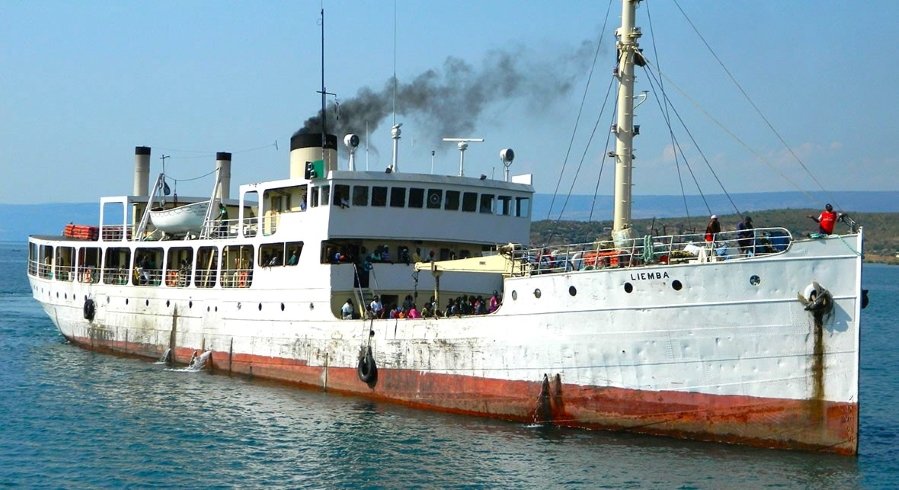
The MV Liemba isn’t just a ferry, it’s a living piece of history. For over a century, this iconic passenger and cargo ferry has been sailing the waters of Lake Tanganyika, connecting communities and transporting goods across one of Africa’s largest and most beautiful lakes. What makes the MV Liemba truly unique is its rich past, which stretches back to World War I, and the fact that it’s still in operation today. Whether you’re a history buff, a traveler seeking adventure, or just curious about unique stories from around the world, the MV Liemba’s tale will fascinate and inspire.
History:
The story of MV Liemba begins not in Tanzania, where it now sails, but in Germany, at the onset of World War I. Originally named the Graf von Götzen, the ferry was built in 1913 in Hamburg, Germany, intended for use by the German Empire as part of its colonial ambitions in East Africa. The ship was designed to operate on Lake Tanganyika, one of the strategic water bodies in Africa, providing the Germans with a way to assert control over the lake and surrounding areas.
In 1914, at the outbreak of World War I, the Graf von Götzen was disassembled, with its parts carefully packaged and shipped to East Africa. It took months for the components to arrive at the shores of Lake Tanganyika, where they were painstakingly reassembled by German engineers. By 1915, the ship was launched into service as a warship, equipped with cannons and machine guns, and played a significant role in Germany’s efforts to maintain dominance over the lake.
However, the tides of war turned against the Germans, and by mid-1916, it became clear that the British and Belgian forces were closing in. To prevent the Graf von Götzen from falling into enemy hands, the German forces scuttled (intentionally sank) the ship in the lake, hoping that one day they might recover it. Remarkably, the ship remained submerged for only a few years before the British salvaged it in 1924. After extensive repairs and retrofitting, the ship was reborn as a civilian vessel and renamed MV Liemba, a tribute to the local name for the lake.
Since its re-launch, the MV Liemba has been ferrying passengers and cargo across Lake Tanganyika for nearly 100 years, making it one of the oldest operational vessels in the world. It’s more than just a ferry; it’s a lifeline for the communities along the lake’s shores, providing vital transportation services to villages and towns that would otherwise be difficult to reach.
Despite its advanced age, the MV Liemba has undergone several refurbishments to ensure it remains seaworthy. From carrying military supplies during World War II to being featured in documentaries and novels, this ferry has seen it all. It’s a floating museum of East African history, a testament to the endurance of both the vessel and the people it serves.
Interesting Facts About MV Liemba:
- A World War I Veteran: The MV Liemba began its life as a German warship before being repurposed for civilian use after the war. It’s a rare example of a military vessel still in operation as a commercial ferry.
- Named After a River: The name “Liemba” comes from a local name for Lake Tanganyika, emphasizing the deep connection the ship has with the region it serves.
- One of the Oldest Operating Ships in the World: At over 100 years old, MV Liemba is one of the oldest working vessels still in service. Its longevity is a testament to its robust design and careful maintenance.
- In Popular Culture: MV Liemba has been featured in various books, films, and documentaries. One of the most famous stories about the ferry is its role in C.S. Forester’s novel The African Queen, which was loosely based on events surrounding the battle for Lake Tanganyika during World War I.
- Environmental Impact: Despite its long service, MV Liemba has had a relatively low environmental impact on Lake Tanganyika, as it runs on diesel engines and follows strict guidelines to preserve the lake’s ecosystem.
- Vital Transportation Hub: For many people living along Lake Tanganyika, the MV Liemba is the only reliable means of transporting goods and people between remote villages and larger towns.
Getting to MV Liemba:
If you’re looking to experience the MV Liemba firsthand, getting there is part of the adventure. The ferry operates primarily between the towns of Kigoma in Tanzania and Mpulungu in Zambia, stopping at various ports along the Tanzanian and Zambian shores of Lake Tanganyika.
- By Air: The easiest way to reach the MV Liemba is to fly into Kigoma, Tanzania. The town has a small airport with flights from Dar es Salaam, Tanzania’s capital, and other major East African cities.
- By Road: If you’re already in Tanzania or Zambia, you can also reach Kigoma or Mpulungu by road, though the journey can be long and bumpy, especially in the rainy season.
- Booking Passage: Once you’re in Kigoma, booking passage on the MV Liemba is relatively simple. The ferry typically runs on a weekly schedule, though it’s wise to check in advance as service can sometimes be disrupted due to maintenance or weather conditions. Be prepared for a no-frills experience, as the ferry offers basic accommodations, but it’s all part of the charm.
- What to Expect Onboard: The MV Liemba is a mix of history and practicality. You’ll find locals traveling with their livestock and goods, while a handful of adventurous tourists come to experience the ferry’s unique history. The accommodations range from basic seating to small cabins, and the journey itself can take anywhere from a day to three days, depending on your route and weather conditions.
Final Thoughts:
The MV Liemba is more than just a boat; it’s a living piece of history that connects the past with the present. Whether you’re interested in its role during World War I or simply want to experience life on Lake Tanganyika, a journey aboard this historic ferry is a once-in-a-lifetime adventure. Sailing on the MV Liemba offers a rare opportunity to witness a century of African history unfold before your eyes—an experience that blends adventure, history, and culture into one unforgettable trip. / photo credit.