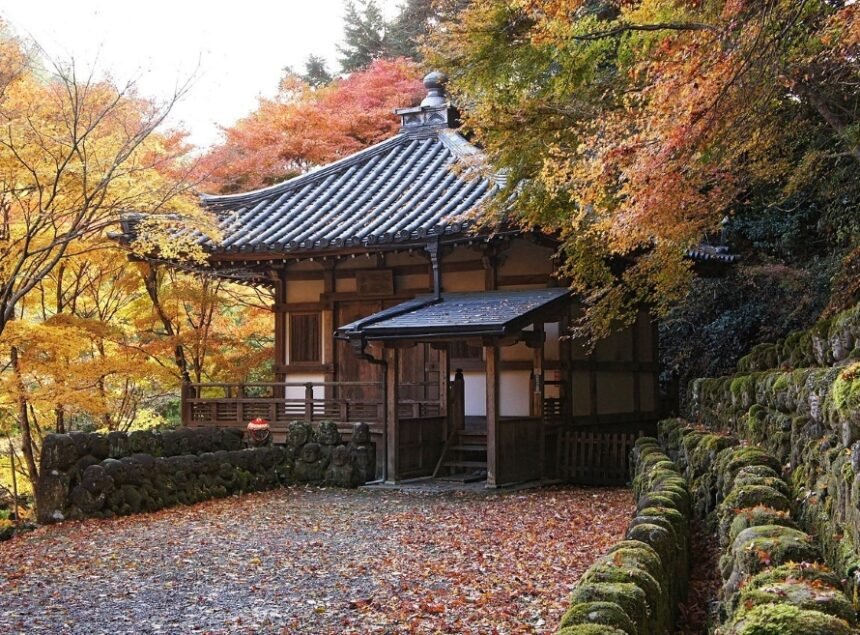
Located amidst the lush greenery of Kyoto’s Arashiyama district lies one of Japan’s most delightful and quirky temples—Otagi Nenbutsuji. Renowned for its forest of over 1,200 moss-covered stone statues, this hidden gem offers visitors a serene escape and a glimpse into Japan’s rich Buddhist traditions. Whether you’re a history buff, a photography enthusiast, or simply looking for a peaceful retreat, Otagi Nenbutsuji promises a uniquely captivating experience.
- Step Back in Time: The Fascinating History of Otagi Nenbutsuji
- Exploring Otagi Nenbutsuji: A Temple Like No Other
- Legends and Mysteries: The Fascinating World of Otagi Nenbutsuji
- Getting to Otagi Nenbutsuji Temple
- Nearby Points of Interest
- Final Thoughts: Why Otagi Nenbutsuji Deserves a Spot on Your Itinerary
Step Back in Time: The Fascinating History of Otagi Nenbutsuji
The story of Otagi Nenbutsuji spans over 1,200 years and is a testament to resilience and transformation. Originally built in the 8th century during the Nara period, the temple was founded by Emperor Shōmu as a place of worship for the Buddha. However, its early years were tumultuous. The temple was initially situated near present-day Higashiyama but was repeatedly ravaged by natural disasters such as floods and typhoons.
In the 13th century, Otagi Nenbutsuji was relocated to its current site in the peaceful Saga district. Unfortunately, it wasn’t spared from further challenges. Wars during the turbulent Muromachi period left the temple in ruins, and it remained largely abandoned for centuries.
The temple’s revival came in the 20th century, thanks to the efforts of Kōchō Nishimura, a visionary Buddhist priest and sculptor. In 1955, Nishimura launched a project to reconstruct the temple and transform it into a unique space for meditation and artistic expression. He invited worshippers and lay followers to carve rakan, or stone statues representing Buddha’s disciples, each with a distinctive expression. This project resulted in the temple’s iconic collection of whimsical and deeply expressive statues that continue to draw visitors from around the globe.
Today, Otagi Nenbutsuji stands as a testament to faith, creativity, and community spirit, embodying a rich blend of history and artistry.
Exploring Otagi Nenbutsuji: A Temple Like No Other
The first thing that strikes visitors upon entering Otagi Nenbutsuji is its surreal, almost magical atmosphere. The temple grounds are set against a backdrop of towering trees, their leaves creating a canopy of green in summer and a fiery explosion of red and orange in autumn.
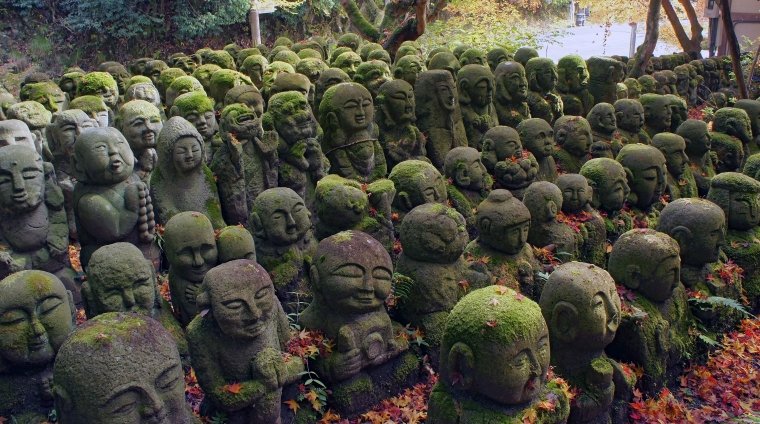
At the heart of the temple’s charm are its 1,200 rakan statues, scattered throughout the grounds. Each one is carved with a unique expression, ranging from serene and meditative to joyful and humorous. You’ll spot statues playing musical instruments, holding modern objects like cameras, or simply smiling in delight. The sheer variety of emotions and poses makes exploring the grounds feel like a treasure hunt, with each discovery sparking joy and intrigue.
The temple’s main hall, reconstructed in the traditional Japanese style, houses a serene statue of the Amida Buddha. Nearby, a small bell tower invites visitors to ring the bell for good fortune, its sound reverberating softly through the tranquil forest.
Legends and Mysteries: The Fascinating World of Otagi Nenbutsuji
- A Collaboration of Devotion and Humor: Unlike most solemn Buddhist temples, Otagi Nenbutsuji celebrates the lighter side of spirituality. Legend has it that Nishimura encouraged each sculptor to infuse their statues with personal touches, resulting in playful designs that reflect the human condition.
- A Mystery in the Moss: Over the years, nature has embraced the rakan statues, covering them with a soft, green moss. This adds to their charm but also raises a question—how do the statues maintain such a harmonious balance with their natural surroundings? The moss seems to grow selectively, giving each statue a distinct, aged look.
- Legends of Healing: Local lore suggests that the rakan statues have healing powers. Many visitors leave small offerings in hopes of receiving blessings for health and happiness.
Getting to Otagi Nenbutsuji Temple
Otagi Nenbutsuji is slightly off the beaten path but well worth the journey. Here’s how you can get there:
- From Kyoto Station: Take the JR Sagano Line to Saga-Arashiyama Station. From there, a scenic 30-minute walk or a short taxi ride will lead you to the temple.
- By Bus: You can also take Kyoto City Bus No. 28 or 62 to the Otagi Nenbutsuji-mae stop, followed by a brief walk.
- By Bike: Rent a bicycle and explore the Arashiyama district, including the iconic Bamboo Grove, before heading to the temple.
Pro tip: The journey to Otagi Nenbutsuji is an adventure in itself, with the route passing through picturesque streets, charming cafes, and lush bamboo groves.
Nearby Points of Interest
If you’re visiting Otagi Nenbutsuji, be sure to explore these nearby landmarks:
- Arashiyama Bamboo Grove: A must-see for its otherworldly beauty, the bamboo grove is one of Kyoto’s most iconic sights.
- Togetsukyo Bridge: A scenic spot perfect for taking in views of the Katsura River and surrounding mountains.
- Tenryu-ji Temple: A UNESCO World Heritage site with a stunning Zen garden.
- Adashino Nenbutsuji Temple: Known for its thousands of stone Buddhist statues dedicated to lost souls.
- Sagano Romantic Train: A charming train ride that winds through the picturesque Hozugawa Ravine.
Final Thoughts: Why Otagi Nenbutsuji Deserves a Spot on Your Itinerary
Otagi Nenbutsuji isn’t just a temple—it’s an experience that stays with you long after your visit. Its whimsical statues, serene surroundings, and rich history offer a unique perspective on Japanese spirituality and art.
Whether you’re seeking a peaceful escape, a cultural deep dive, or simply a unique photo opportunity, this hidden gem in Kyoto promises an unforgettable adventure. So pack your camera, lace up your walking shoes, and prepare to be enchanted by the charm of Otagi Nenbutsuji Temple! / Photo credit