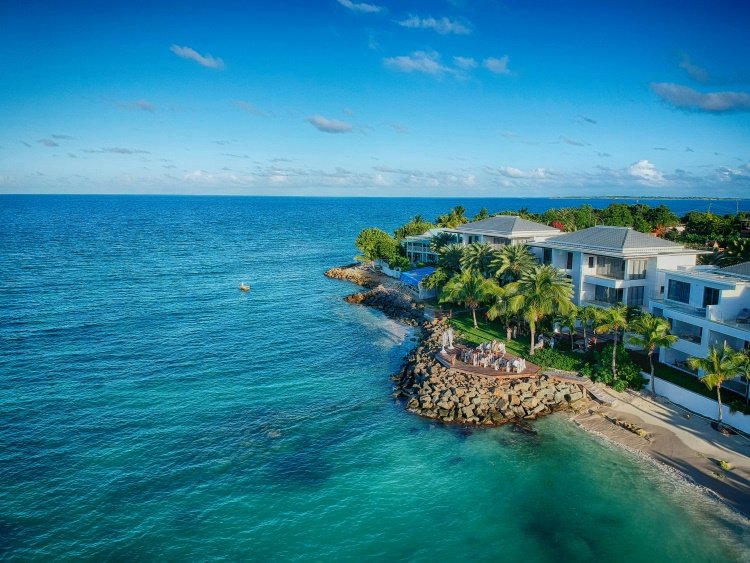
Saint John, the vibrant capital of Antigua and Barbuda, is a bustling Caribbean hub full of history, culture, and breathtaking scenery. With its pastel-colored buildings, lively markets, and warm tropical vibes, it’s the perfect blend of island charm and city excitement. Whether you’re strolling along its bustling waterfront or diving into its rich colonial history, there’s plenty to explore in this laid-back yet dynamic city. In this guide, we’ll take you through the must-see attractions, hidden gems, and a taste of local cuisine to help you get the most out of your visit to Saint John, Antigua.
Founded in the early 17th century, Saint John has long been the economic and cultural heart of Antigua. Its strategic location and natural deepwater harbor made it an important colonial port under British rule, and the city grew into a vital center for trade, particularly in sugar. The colonial influence is still evident today in the architecture and historical landmarks scattered throughout the city.
Today, Saint John is more than just a gateway to Antigua’s pristine beaches—it’s a lively city with markets, museums, and a variety of attractions. Its mix of modern Caribbean life and echoes of its colonial past make it an exciting stop for both history buffs and casual visitors looking for a bit of local flavor. From its beautiful waterfront to its vibrant streets filled with local art and crafts, Saint John offers a truly authentic Caribbean experience.
Main Attractions
Saint John is packed with both historical landmarks and cultural highlights. Here are some of the top attractions you shouldn’t miss:
- St. John’s Cathedral: One of the most iconic landmarks in the city, this Anglican cathedral stands proudly on a hill overlooking Saint John. Originally built in 1681 and rebuilt several times after hurricane damage, its baroque-style architecture with twin towers is a striking sight. The interior is equally impressive, with wooden arches and memorial plaques telling stories of the island’s colonial past.
- Museum of Antigua and Barbuda: Located in a former 18th-century courthouse, this museum offers a fascinating dive into the island’s history, from its indigenous roots to colonial times. Exhibits include everything from ancient Arawak pottery to colonial-era artifacts and models of sugar plantations. It’s a must-visit for anyone wanting to understand the rich history of the island.
- Heritage Quay: If shopping is your thing, Heritage Quay is the place to go. This duty-free shopping area is bustling with stores offering everything from high-end jewelry to local crafts and souvenirs. It’s also a great place to sit by the waterfront, people-watch, and enjoy a local rum punch.
- Fort James: Perched at the entrance to Saint John’s Harbor, Fort James is a relic of Antigua’s colonial military history. Built in the 1700s to protect the harbor, its crumbling walls and cannons still stand today, offering panoramic views of the sea. It’s a peaceful spot to explore and take in the natural beauty surrounding the city.
Off-the-Beaten-Path Recommendations
For those looking to experience the more authentic, less touristy side of Saint John, here are some off-the-beaten-path suggestions:
- Local Markets: For a taste of local life, head to the lively public market in the center of Saint John. Early mornings are the best time to see it in full swing, with vendors selling everything from fresh tropical fruits and vegetables to spices and handmade crafts. It’s a great way to experience the island’s vibrant culture and pick up some unique souvenirs.
- Redcliffe Quay: A charming and quieter alternative to Heritage Quay, Redcliffe Quay is a historic area filled with colorful, restored colonial buildings. It’s home to boutique shops, art galleries, and cozy cafes tucked along narrow cobblestone streets. It’s the perfect spot for a more relaxed shopping experience and to grab a coffee or bite to eat.
- Hiking to Fort Barrington: Located a short drive from the city, Fort Barrington is another historical fort that offers both a bit of history and some hiking. It’s less crowded than Fort James and involves a short hike to the top, where you’ll be rewarded with sweeping views of the coastline and Saint John’s Harbor.
Local Food and Drink
Antigua’s local cuisine is a delicious mix of flavors influenced by African, British, and Caribbean traditions. Here are a few local dishes and drinks you should try during your stay:
- Pepperpot: This hearty stew is one of Antigua’s national dishes, made with a mix of vegetables, spices, and meats like pork or beef. It’s flavorful, warming, and a perfect introduction to Caribbean comfort food.
- Fungee and Saltfish: Another local favorite, fungee is similar to polenta, made from cornmeal, and often served with saltfish (dried and salted cod). It’s a simple but tasty dish that’s a staple in Antiguan households.
- Conch: Conch is a popular seafood delicacy across the Caribbean, and in Saint John, you can try it in various forms, from conch fritters to conch salad. The chewy, slightly sweet meat pairs well with the island’s spices.
- Rum Punch: When it comes to drinks, you can’t leave Antigua without trying the classic Caribbean rum punch. Made with local rum, lime juice, sugar, and a hint of nutmeg, it’s a refreshing and potent drink that perfectly complements the island vibe.
Travel Tips and Practical Information
- Best Time to Visit: The ideal time to visit Saint John is during the dry season, which runs from December to April. During this period, the weather is sunny, and there’s little rain, making it perfect for exploring the city and the beaches. Avoid the hurricane season (June to November), when weather conditions can be unpredictable.
- Getting Around: Saint John is a walkable city, and most attractions are within close proximity to each other. However, if you want to venture further out or explore the island, you can hire a taxi or rent a car. Be aware that driving is on the left side of the road.
- Currency: The official currency is the Eastern Caribbean dollar (XCD), but US dollars are widely accepted. Most shops and restaurants also take credit cards.
- Safety: Saint John is generally safe for tourists, but like any city, it’s good to be aware of your surroundings, especially in crowded areas. Stick to well-lit streets at night and take standard precautions with your belongings.
Nearby Points of Interest & Landmarks
- Dickenson Bay: Just a short drive from Saint John, Dickenson Bay is one of the island’s most popular beaches, with soft white sand, clear blue water, and plenty of watersports and beach bars. It’s a great place to unwind after exploring the city.
- Betty’s Hope: A 30-minute drive from Saint John, Betty’s Hope is a historic sugar plantation that dates back to the 1600s. It offers an insightful look into Antigua’s colonial past and the role of sugar production on the island. You can still see the restored windmills and learn about the history of slavery on guided tours.
- Nelson’s Dockyard: Located in English Harbour, about 30 minutes from Saint John, Nelson’s Dockyard is a UNESCO World Heritage Site and the world’s only continuously operational Georgian dockyard. It’s a beautiful place to explore, with its restored buildings, lush gardens, and historic naval history.
Final Thoughts
Saint John, Antigua, is a perfect mix of history, culture, and laid-back Caribbean charm. Whether you’re wandering through the streets filled with colonial architecture, exploring ancient forts, or tasting delicious local dishes, this vibrant capital has something for everyone. With its proximity to stunning beaches and nearby landmarks, Saint John offers a well-rounded experience for anyone looking to discover the heart of Antigua.