If you’re an avid traveler or history buff, Termessos is a name you won’t forget. Nestled high in the Taurus Mountains of Turkey, this ancient city boasts breathtaking views, a fascinating past, and well-preserved ruins that make it one of the most captivating archaeological sites in the world. Often overshadowed by more famous locations like Ephesus or Troy, Termessos offers something unique: the allure of a city lost in the clouds.
A Glimpse into Termessos
Located about 30 kilometers northwest of Antalya, Termessos is a Pisidian city renowned for its rugged beauty and inaccessibility. Sitting at an altitude of over 1,000 meters, it is surrounded by dense pine forests and jagged cliffs. This natural fortress allowed the Termessians to remain independent, even resisting Alexander the Great in 333 BCE. Today, its isolation adds to its mystique, making it a treasure trove for explorers and historians alike.
Declared a national park by the Turkish government, Termessos is not just an archaeological site but also a haven for wildlife, including rare plant species and animals. The combination of history and nature makes it a perfect destination for anyone seeking adventure, culture, and tranquility.
The History of Termessos: A Tale of Independence
Termessos’s story begins with the enigmatic Pisidians, an ancient Anatolian people. The city was founded by the Solymians, a group mentioned in Homer’s Iliad. Its strategic location in the Taurus Mountains gave it a natural advantage against invaders. The Termessians’ reputation as fierce warriors ensured that their city remained independent throughout much of its history.
Alexander the Great’s Failed Siege
One of the most defining moments in Termessos’s history occurred in 333 BCE when Alexander the Great attempted to conquer it. The city’s high altitude and rugged terrain made it nearly impregnable. Frustrated, Alexander bypassed the city, marking a rare instance where his unstoppable campaign hit a roadblock. This earned Termessos the title of “Eagle’s Nest,” symbolizing its unyielding spirit.
Roman Rule and Prosperity
Though Termessos maintained its independence during Alexander’s time, it eventually became a Roman ally. This alliance brought a period of peace and prosperity, during which the city flourished. The Romans admired Termessos’s strategic importance and allowed it to retain a degree of autonomy. This era saw the construction of most of the ruins visible today, including the theater, agora, and temples.
The City’s Decline
By the 5th century CE, Termessos began to decline, likely due to shifting trade routes, earthquakes, and dwindling resources. The city was abandoned and forgotten for centuries until it was rediscovered in modern times. Its relative isolation ensured that its ruins remained remarkably well-preserved.
Main Attractions: Ruins That Speak of Glory
The Theater
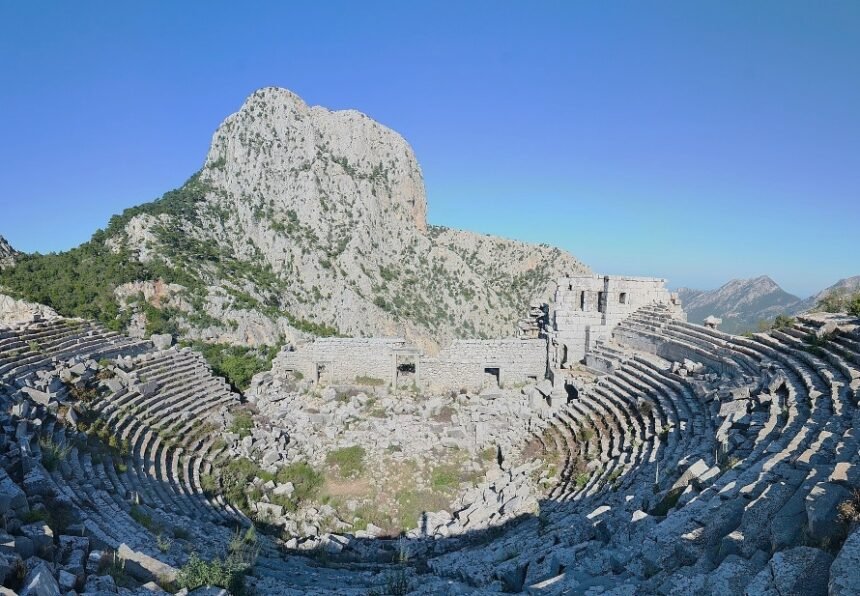
One of Termessos’s most iconic landmarks is its ancient theater. Built into the mountainside, the theater offers not only a glimpse into the entertainment culture of the past but also jaw-dropping panoramic views of the surrounding valleys. With a capacity of around 4,000 spectators, it’s a masterpiece of ancient engineering.
Temples and Tombs
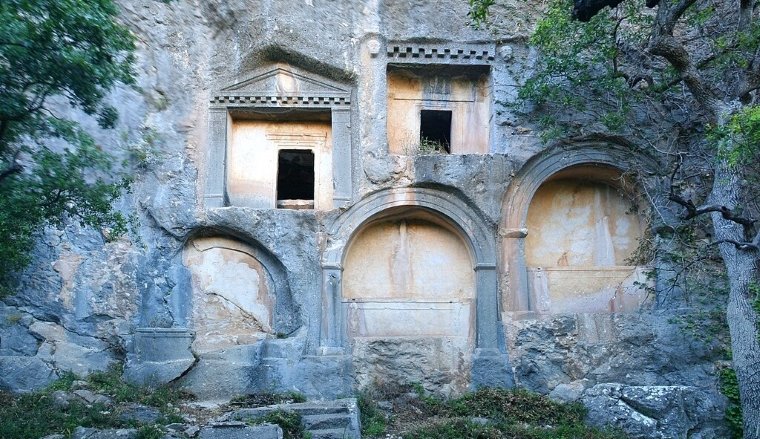
The city is dotted with temples dedicated to Zeus, Artemis, and other deities. The Temple of Zeus Solymeus stands out for its intricate carvings and commanding presence. You’ll also find numerous rock-cut tombs scattered throughout the site, many with elaborate inscriptions and reliefs.
The Agora and Cisterns
The agora, or marketplace, was the heart of Termessos’s civic life. Nearby, you’ll find massive cisterns that once stored water for the city’s inhabitants, showcasing their ingenuity in adapting to a challenging environment.
Interesting Facts and Legends
- Unconquered by Alexander: Termessos’s resistance to Alexander the Great is a point of pride, symbolizing its defiance and resilience.
- Pisidian Language: Inscriptions found at the site provide valuable insights into the Pisidian language, a rare and ancient tongue.
- Wildlife Haven: The surrounding Termessos National Park is home to endangered species like the Anatolian lynx and golden eagle.
- Mythical Origins: According to legend, the city was founded by Bellerophon, a hero of Greek mythology, and his winged horse, Pegasus.
Myths and Legends
Termessos’s connection to Greek mythology adds an extra layer of intrigue. Bellerophon, known for slaying the Chimera, is said to have founded the city atop Mount Solymos. The hero’s mythical steed, Pegasus, is believed to have flown him to this elevated location, blessing the city with its near-mythical inaccessibility.
Travel Tips for Modern Explorers
- Getting There: Termessos is about a 40-minute drive from Antalya. Renting a car or joining a guided tour are the most convenient options.
- What to Wear: Comfortable hiking shoes are a must, as the terrain is uneven and the site involves a lot of walking.
- Best Time to Visit: Spring and autumn offer pleasant weather and fewer crowds.
- Bring Supplies: There are no amenities within the site, so pack water, snacks, and sunscreen.
- Entry Fees: As of now, the entrance fee is minimal, but check ahead for the latest rates.
Nearby Landmarks Worth Visiting
- Antalya Old Town (Kaleiçi): Explore cobblestone streets, Ottoman-era architecture, and a picturesque harbor.
- Perge: Another ancient city near Antalya, known for its Roman stadium and baths.
- Düden Waterfalls: A natural wonder where cascading water plunges into the Mediterranean.
- Olympos and Chimera: Visit the ruins of Olympos and witness the eternal flames of the Chimera.
Wrapping Up: Why Termessos Should Be on Your Bucket List
Termessos isn’t just an archaeological site; it’s a journey into a world where nature and history converge. Whether you’re marveling at the theater’s panoramic views, pondering the resilience of its people, or simply soaking in the serene atmosphere, Termessos offers an unforgettable experience. So, pack your bags, lace up your hiking boots, and get ready to step back in time at this hidden gem in Turkey. / photo credit.