the Doric Temple of Segesta is a captivating reminder of Italy’s rich ancient history. With its beautifully preserved columns standing against a backdrop of rolling hills, this Greek-style temple has mesmerized travelers, historians, and artists alike for centuries. Despite its unfinished design, the temple exudes an aura of mystery and elegance that keeps visitors coming back to this ancient site year after year. In this article, we’ll delve into the history, purpose, and awe-inspiring features of this timeless marvel, along with tips to make the most of your visit.
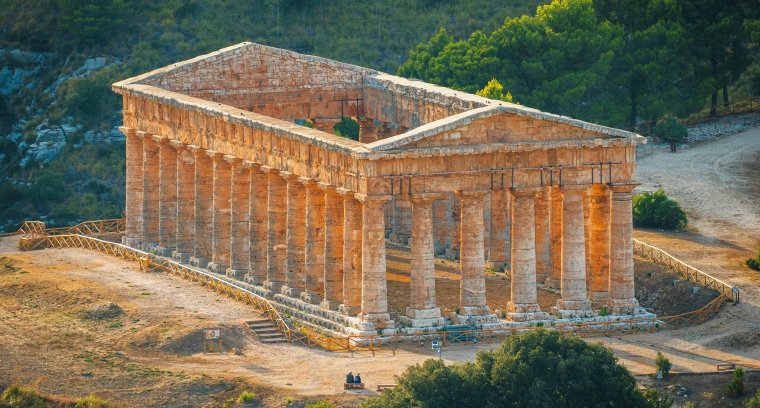
Have you ever imagined stumbling upon an ancient temple in the middle of an Italian countryside? The Doric Temple of Segesta offers just that. Built in the 5th century BCE, this striking temple is an architectural marvel from an era when Sicily was a vibrant melting pot of ancient Greek, Roman, and local Sicilian cultures. Though never completed, the temple is stunningly preserved, with 36 towering Doric columns creating a sense of both grandeur and tranquility. Visiting this temple is like stepping back in time—its majestic structure feels almost surreal, standing alone amidst lush, open landscapes.
Segesta’s charm lies not only in its beauty but also in its mysteries. Who built this temple, and why was it never completed? Scholars and archaeologists have long debated the temple’s purpose, as well as the reasons for its abandonment. Despite its unfinished state, the Temple of Segesta remains one of Sicily’s most significant historical sites and a favorite among those exploring Italy’s ancient wonders.
History of the Temple of Segesta
The story of Segesta and its famous Doric temple begins with the ancient Elymians, one of Sicily’s indigenous people who are believed to have had Greek and Phoenician roots. Segesta was the most prominent city of the Elymians and had close ties with Greek colonies. The temple is thought to have been constructed around 430 BCE during a period when Segesta sought to establish its influence in the region. The city’s rivalry with neighboring Selinunte, another powerful city-state, may have driven Segesta’s desire to build a grand temple, possibly as a display of power and piety.
Interestingly, despite the temple’s Greek Doric design, there is no solid evidence that it was ever intended for a specific god or goddess. This has led to various theories about its purpose. Some scholars believe it was never meant to serve as a religious site, instead symbolizing Segesta’s power and sophistication in a Greek-dominated world. Others argue that the temple’s incomplete roof and lack of interior walls suggest that its construction was interrupted, possibly due to conflicts or lack of funding. Whatever the reasons, the temple stands today as a testament to Segesta’s ancient ambitions and the cultural blending that shaped Sicily’s history.
Description of the Site
The Doric Temple of Segesta is perched on a hill, surrounded by gentle slopes and lush valleys. Its most striking feature is the 36 massive Doric columns, arranged in a rectangular layout that forms a peristyle—a characteristic feature of Greek temple design. The columns stand about 9 meters high and are made from local limestone, giving the temple a warm, earthy tone that contrasts beautifully with the green countryside.
The temple’s foundation is well-preserved, and the structure’s layout is consistent with the architectural norms of ancient Greek temples. However, unlike most temples of the time, the roof and inner cella (inner chamber) of the Temple of Segesta were never completed. This unfinished state only adds to the temple’s mystery and allure, as visitors are left to wonder what the final structure would have looked like.
The views from the temple site are breathtaking, with panoramic vistas that stretch across the countryside and the nearby mountains. The serene, isolated setting makes it easy to imagine the ancient Elymians and Greeks gathering here, perhaps to celebrate, honor their gods, or simply admire the beauty of the landscape.
Usage of the Temple
While the Temple of Segesta is unmistakably Greek in style, its intended use remains somewhat unclear. The absence of a completed roof and interior features common in other temples has led some historians to speculate that it was never intended as a functional place of worship. Others believe it may have served a ceremonial purpose, perhaps as a site for gatherings or diplomatic meetings rather than religious rituals.
Some theories even suggest that the temple was designed as a political statement—an architectural assertion of Segesta’s power and influence. Given the city’s rivalry with nearby Selinunte, the temple might have been a way for Segesta to showcase its connection to the Greek world and its cultural sophistication. Whatever its original purpose, the temple today is a testament to Segesta’s historical significance and architectural ambitions.
Interesting Facts about the Temple of Segesta
- Unfinished but Perfectly Preserved: Despite being unfinished, the temple remains remarkably intact, thanks to its robust construction and the quality of local limestone.
- Influence of Doric Architecture: The temple is one of the finest examples of Doric architecture outside Greece, displaying the classical elegance of the Greek style.
- Absence of a Roof: The temple was never roofed, likely due to abandonment, making it unique among ancient temples.
- Mystery of the Elymians: The Elymians, the ancient people of Segesta, remain somewhat of a mystery to historians, adding intrigue to the temple’s origins.
- Panoramic Views: From the temple, visitors can enjoy stunning views of Sicily’s rural landscape, creating a perfect blend of history and nature.
Activities at the Temple of Segesta
Visiting the Doric Temple of Segesta offers more than just sightseeing. Here are some activities to make the most of your visit:
- Guided Tours: Many guided tours are available, providing insights into the temple’s history, architecture, and mysteries.
- Photography: The temple’s unique structure and its scenic surroundings make it a photographer’s dream, especially during sunrise and sunset.
- Hiking: The surrounding area has scenic trails that allow visitors to explore the beautiful countryside.
- Archaeological Exploration: Segesta is also home to an ancient theater and various ruins, allowing you to delve deeper into Sicily’s ancient history.
- Relax and Picnic: The peaceful landscape offers plenty of spots to relax and enjoy a picnic with a historic backdrop.
Getting There
The Temple of Segesta is easily accessible from various Sicilian cities. Here’s how to get there:
- By Car: From Palermo, take the A29 highway towards Trapani, then exit at Segesta. The drive takes around 1 hour.
- By Train: Trains from Palermo to Trapani stop at Calatafimi-Segesta station. From there, it’s a short taxi ride to the temple.
- By Bus: Buses run regularly from Palermo and Trapani to the Segesta area.
- By Tour Group: Many tour operators offer day trips from Palermo and Trapani, including transportation and a guided tour.
Nearby Points of Interest & Landmarks
While in Segesta, be sure to check out these nearby landmarks and attractions:
- Segesta Amphitheater: An ancient Greek amphitheater on Monte Barbaro, offering panoramic views and a chance to experience Greek drama in a stunning setting.
- Castellammare del Golfo: A charming seaside town with beautiful beaches and a historic castle, perfect for a relaxing afternoon.
- Trapani: Known for its beautiful coastline, salt pans, and ancient architecture, Trapani is a vibrant coastal city worth exploring.
- Erice: A medieval hilltop town with cobbled streets, ancient churches, and breathtaking views over the coast.
- Zingaro Nature Reserve: Sicily’s first nature reserve, offering beautiful hiking trails, pristine beaches, and diverse wildlife.
Final Thoughts
The Doric Temple of Segesta is more than just an ancient ruin; it’s a journey into the past and a window into Sicily’s rich and diverse history. This unfinished masterpiece invites visitors to imagine a time when cultures collided, empires rose and fell, and architectural wonders like this were brought to life. Whether you’re a history enthusiast, an architecture lover, or simply in search of a peaceful escape, Segesta’s temple and surrounding area have something to offer. Make sure to add this gem to your Sicilian itinerary—it’s an experience that beautifully captures the essence of ancient Italy.