




For centuries, the Silk Road served as a network of trade routes connecting the East and West, facilitating the exchange of goods, ideas, and cultures. At the heart of this ancient highway lies Central Asia, a region that still bears the indelible marks of its illustrious past. Today, travelers can retrace the footsteps of ancient merchants, explorers, and conquerors, experiencing a unique blend of history, culture, and natural beauty.
The Five ‘Stans’: An Overview
Central Asia comprises five countries, often referred to as the ‘Stans’: Kazakhstan, Kyrgyzstan, Tajikistan, Turkmenistan, and Uzbekistan. Each offers a distinct flavor of Silk Road heritage, from bustling bazaars to remote mountain passes.
Uzbekistan: Jewel of the Silk Road
Uzbekistan is often considered the crown jewel of the Silk Road, boasting some of the most well-preserved architectural wonders of the medieval Islamic world.
Samarkand
The iconic Registan Square in Samarkand is a must-visit destination. Three grand madrasahs (Islamic schools) frame the square, their facades adorned with intricate blue tilework that seems to shimmer in the sunlight. The nearby Gur-e-Amir Mausoleum, the final resting place of the conqueror Timur (Tamerlane), is a masterpiece of Islamic architecture with its fluted azure dome.
Bukhara
Bukhara, another unmissable stop, feels like stepping back in time. The Po-i-Kalyan complex, dominated by the soaring Kalyan Minaret, once served as a beacon for caravans approaching the city. The ancient trading domes that once housed specialized markets still buzz with activity, offering everything from spices to silk carpets.
Khiva
The walled inner city of Khiva, Ichan Kala, is an open-air museum of Islamic architecture. Its narrow alleys, punctuated by the blue domes of mosques and madrasahs, evoke the romance of the Silk Road era.
Kazakhstan: From Steppes to Mountains
While much of Kazakhstan’s Silk Road heritage has been lost to time, the country offers a unique blend of ancient history and futuristic vision.
The former capital, Almaty, serves as a gateway to the Tian Shan mountains, where ancient trade routes once wound through treacherous passes. In the south, the city of Turkistan is home to the magnificent Mausoleum of Khoja Ahmed Yasawi, a spiritual father of the Turkic peoples.
Kyrgyzstan: Land of Nomads
Kyrgyzstan’s mountainous terrain made it a challenging passage for Silk Road caravans, but today it offers some of the most stunning natural scenery in Central Asia.
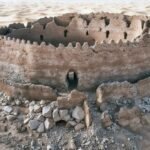
Lake Issyk-Kul, a vast alpine lake, was a welcome rest stop for weary travelers. Today, its shores are dotted with health resorts and beaches. In the remote Tian Shan mountains, the stone caravanserai of Tash Rabat stands as a lonely reminder of the traders who once sought shelter in these rugged lands.
Tajikistan: The Roof of the World
Tajikistan’s Pamir Mountains, known as the “Roof of the World,” hosted some of the highest and most challenging routes of the Silk Road.
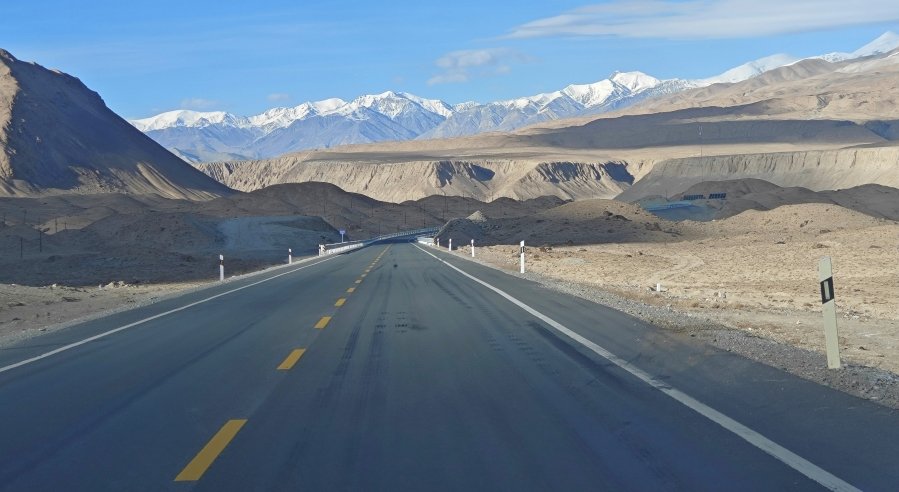
The Wakhan Valley, a narrow strip of land bordering Afghanistan, offers a glimpse into the lives of the isolated Pamiri people and boasts spectacular views of the Hindu Kush. The modern Pamir Highway, following ancient trade routes, is one of the world’s great road trips.
Turkmenistan: Desert Mysteries
Turkmenistan’s Silk Road legacy is best observed in the ancient ruins of Merv, once one of the world’s largest cities. The medieval Seljuk mausoleums still stand, their intricate brickwork a testament to the city’s former grandeur.
In stark contrast, the modern capital of Ashgabat, with its white marble buildings and golden statues, offers a surreal experience that seems worlds away from its Silk Road past.
Cultural Experiences
The Silk Road’s legacy lives on in Central Asia’s vibrant cultures. Visitors can:
- Witness the intricate art of silk weaving in the Fergana Valley
- Experience nomadic life in a yurt on the Kyrgyz jailoos (summer pastures)
- Savor the flavors of the Silk Road in dishes like plov (pilaf) and shashlik (kebabs)
- Attend colorful festivals that celebrate ancient traditions, like Navruz (spring equinox)
Practical Travel Tips
Best Time to Visit
Spring (April-May) and fall (September-October) offer the most pleasant weather across the region. Summers can be scorching in the lowlands, while winters are harsh, especially in mountainous areas.
Visas and Entry Requirements
Visa policies have relaxed significantly in recent years. Uzbekistan now offers visa-free entry for many nationalities, while Kazakhstan and Kyrgyzstan have introduced e-visa systems. Always check the latest requirements before traveling.
Getting Around
- Flights connect major cities within and between countries.
- Trains offer a comfortable way to travel, especially in Uzbekistan and Kazakhstan.
- Shared taxis and marshrutkas (minibuses) are common for shorter distances.
Language
Russian serves as a lingua franca throughout the region. English is increasingly common in tourist areas, but learning a few phrases in local languages will be appreciated.
Challenges and Rewards
Traveling the Silk Road through Central Asia can be challenging. Infrastructure can be basic outside major cities, and language barriers can be significant. However, the rewards are immense. Travelers will experience legendary hospitality, witness breathtaking landscapes, and gain insights into a region that has been at the crossroads of civilizations for millennia.
Conclusion
The Silk Road through Central Asia offers a journey through time, where ancient traditions blend seamlessly with modern aspirations. From the towering minarets of Samarkand to the yurt-dotted steppes of Kazakhstan, the region presents a tapestry of experiences that will leave an indelible mark on any traveler’s memory. As you retrace the steps of Marco Polo, Ibn Battuta, and countless unnamed merchants and pilgrims, you’ll discover that the spirit of the Silk Road – one of adventure, cultural exchange, and human connection – is very much alive in the heart of Asia.