






1. Introduction
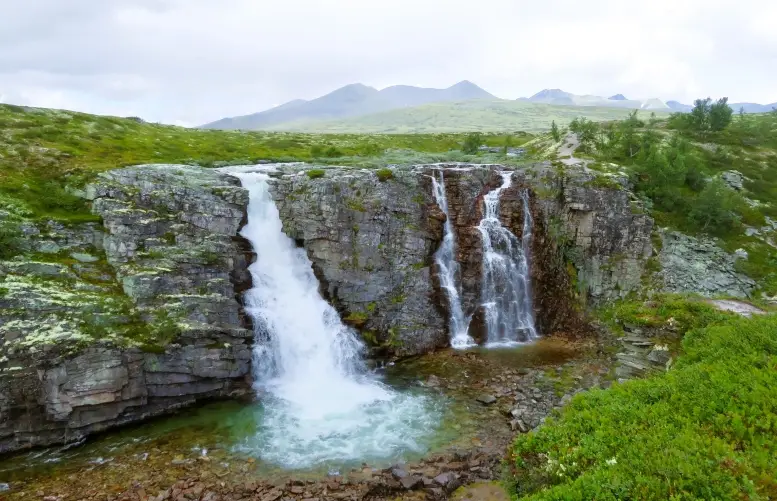
Ready to escape into a world of majestic mountains, tranquil valleys, and stunning wildlife? Rondane National Park in Norway is a must-visit destination for nature lovers and adventurers alike. It’s the kind of place where you can disconnect, breathe in the fresh mountain air, and soak in jaw-dropping landscapes.
2. Brief Overview of the Park
Location and size: Rondane National Park is located in central Norway, straddling the counties of Innlandet and Trøndelag. It covers an impressive area of about 963 square kilometers, offering vast wilderness for outdoor enthusiasts.
Year established: Rondane became Norway’s first national park in 1962, an early nod to the country’s commitment to preserving its natural wonders.
Significance: Historically, the region was important to reindeer hunters, and ecologically, it supports a wide range of wildlife, including the elusive wild reindeer. Culturally, it’s a beloved retreat for Norwegians seeking quiet and nature.

3. Natural Features
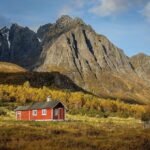
Landscape and geology: Expect a rugged, rocky terrain dominated by high mountain peaks (10 of which are over 2,000 meters), deep valleys, and tundra-like plateaus. Rondane is part of Norway’s oldest mountain range, with rocks that date back over a billion years.
Flora and fauna: While it may look stark, Rondane is home to a surprising amount of life. The flora includes hardy plants like dwarf birch, mosses, and lichens. As for wildlife, this park is one of the few remaining places where wild reindeer roam. You might also spot wolverines, golden eagles, and ptarmigans.

Notable ecosystems or habitats: The high alpine areas and the sparse vegetation give it a tundra feel, making it one of the best places in Norway to experience this kind of habitat.
4. History
Indigenous peoples’ connection to the land: Rondane has been a hunting ground for reindeer for thousands of years, particularly for the Sámi people, who lived in and migrated through the area.
Discovery and exploration by settlers: As settlers moved into Norway’s interior, they discovered Rondane’s beauty and resources. Reindeer hunting was a major activity for early Norwegians.
Establishment as a National Park: Rondane was designated as a national park in 1962 to protect its fragile ecosystems and wild reindeer population, making it a pioneering example of conservation in Norway.

5. Must-See Spots
Key landmarks or natural wonders: Rondslottet, the highest peak in the park at 2,178 meters, is a highlight for hikers. There’s also the spectacular “Enden,” a steep ravine that looks like something from a fantasy novel.
Popular hiking trails: The Rondane Trek is a favorite multi-day route, offering both easy and challenging sections. Another popular trail is the hike to Veslesmeden, a peak with amazing panoramic views.
Scenic drives or viewpoints: The Rondane National Tourist Route offers breathtaking views, taking you through scenic mountain passes with plenty of stops for photos and short hikes.
6. Fun Stuff to Do
Hiking and backpacking: With a range of trails, from family-friendly paths to intense summit treks, Rondane is a hiker’s paradise. The cabins along the trails make backpacking accessible.
Wildlife viewing and birdwatching: Keep your eyes peeled for wild reindeer and birds like the golden eagle. Early mornings or evenings are your best bet for spotting wildlife.
Water activities: While Rondane is more known for its dry terrain, there are a few lakes and rivers suitable for canoeing or fishing.
Winter activities: In the colder months, the park becomes a winter wonderland, perfect for cross-country skiing or snowshoeing.
7. Visitor Information
Best times to visit: The summer months (June to August) are ideal for hiking, while the winter season (December to February) is perfect for skiing. Autumn offers stunning foliage.
Entrance fees and passes: Good news! There are no entrance fees to the park itself, but some trails or attractions may have small fees.
Accommodations: Rondane offers a mix of campgrounds and mountain cabins (many of which are part of Norway’s DNT system). For something more comfortable, there are lodges and hotels in nearby towns.
Visitor centers and educational programs: The nearest visitor center is in Folldal, where you can learn more about the park’s history, geology, and wildlife.
8. Conservation Efforts
Current environmental challenges: The wild reindeer population is under pressure due to habitat fragmentation. Climate change also poses a threat to the delicate tundra ecosystem.
Ongoing preservation projects: Norway’s environmental agencies work hard to balance tourism with conservation. Projects focus on protecting reindeer migration routes and preserving the park’s fragile ecosystems.
How visitors can contribute to conservation: Stick to marked trails, avoid disturbing wildlife, and consider donating to conservation efforts.
9. Nearby Attractions
Other points of interest in the region: Just west of the park, you’ll find Dovre National Park, which offers a similar wilderness experience with fewer crowds. For history buffs, the mining town of Folldal is nearby.
Nearby towns or cities: The town of Otta, at the southern end of the park, is a convenient base for exploring Rondane. Lillehammer, known for its Winter Olympics history, is also a couple of hours away.
10. Practical Tips
Getting there: The nearest major airports are in Oslo and Trondheim. From either city, it’s a scenic drive to Rondane. You can also take a train to Otta and continue by bus.
Safety precautions: The weather in Rondane can change quickly, so always be prepared. Bring layers, a map, and plenty of food and water.
What to pack: Good hiking boots, warm clothing (even in summer), a first-aid kit, and a camera for those epic mountain views.
11. Wrapping It Up
Rondane National Park is more than just a pretty place—it’s a piece of Norway’s heart and history. Whether you’re an avid hiker or just looking to connect with nature, this park has something for everyone. Make sure you visit, and remember, preserving these wild spaces for future generations is just as important as enjoying them today!