




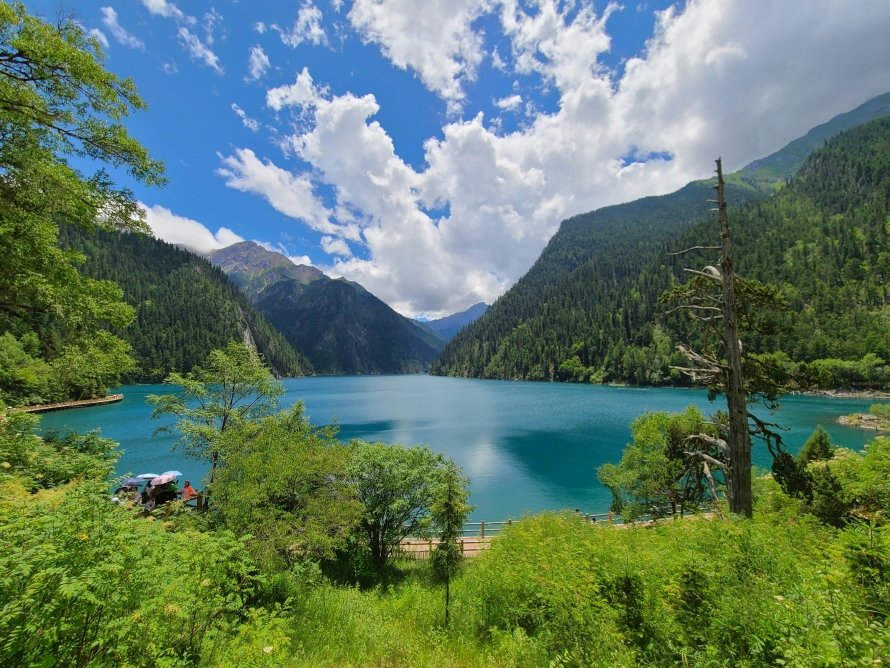
Located away in the northern part of Sichuan Province, China, Jiuzhaigou Valley is a stunning nature reserve and national park that looks like it was plucked straight out of a fairy tale. This UNESCO World Heritage site is famous for its turquoise lakes, vibrant forests, cascading waterfalls, and snow-capped peaks, all set against a backdrop of pristine natural beauty. Known as the “Valley of Nine Villages,” Jiuzhaigou offers travelers a breathtaking escape into one of China’s most cherished and visually captivating landscapes. From vibrant fall colors to crystal-clear waters, Jiuzhaigou is a must-see destination for nature lovers, photographers, and adventurers alike.
Jiuzhaigou Valley is situated in the Min Mountains, part of the Tibetan Plateau, and covers an area of around 720 square kilometers. The name Jiuzhaigou, meaning “Nine Village Valley,” is derived from the nine Tibetan villages scattered throughout the valley. Although only a few of these villages are accessible to tourists, they add a unique cultural layer to the park’s natural beauty.
Jiuzhaigou was relatively unknown until the 1970s, when the Chinese government designated it as a protected area, eventually elevating it to national park status. Recognized as a UNESCO World Heritage site in 1992 and a World Biosphere Reserve in 1997, Jiuzhaigou is celebrated for its rare biodiversity, including endangered species like the giant panda and golden snub-nosed monkey. With its unique blend of spectacular scenery and Tibetan culture, Jiuzhaigou has grown into one of China’s most popular nature reserves, drawing millions of visitors each year.
The Landscape of Jiuzhaigou
Jiuzhaigou’s landscape is nothing short of magical. The park is home to a series of valleys, each with its own unique features and beauty:
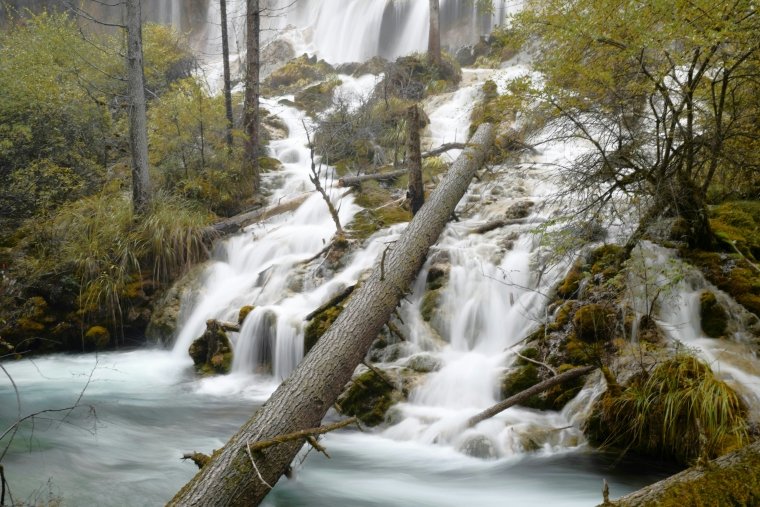
- Shuzheng Valley: The main entrance to Jiuzhaigou, Shuzheng Valley is known for its vibrant blue lakes, crystal-clear rivers, and the mesmerizing Shuzheng Waterfall. This valley provides a gentle introduction to the park’s stunning landscape.
- Rize Valley: Arguably the most scenic part of Jiuzhaigou, Rize Valley is filled with the park’s most iconic lakes, including Five Flower Lake and Panda Lake, as well as stunning waterfalls like Nuorilang Falls.
- Zechawa Valley: Known for its serene and reflective lakes, Zechawa Valley is home to Long Lake, the park’s largest lake, which reflects the towering mountains surrounding it. This valley is particularly beautiful in the fall when the trees are painted in vibrant autumn colors.
The park’s geology and hydrology create unique natural phenomena, with calcified pools and lakes that have a vivid blue or green hue due to mineral deposits. These colors change throughout the seasons, making Jiuzhaigou a destination that offers new surprises year-round.
Main Attractions in Jiuzhaigou
Jiuzhaigou’s attractions are incredibly diverse, from stunning lakes to ancient villages. Here are some highlights:
- Five Flower Lake: Known as one of Jiuzhaigou’s most famous and beautiful lakes, Five Flower Lake is a vibrant turquoise color with an otherworldly clarity, allowing visitors to see down to the lakebed’s fallen tree trunks. The lake’s colors are due to mineral deposits and algae, which create an incredible blend of blues, greens, and yellows.
- Nuorilang Falls: At 24 meters high and 300 meters wide, Nuorilang Falls is one of China’s largest and most impressive waterfalls. The waterfall creates a misty, enchanting view, especially during the rainy season.
- Panda Lake: Named for the pandas that once roamed this area, Panda Lake is known for its vibrant colors and crystal-clear waters. The lake sits at an elevation of over 2,500 meters, giving it a stunning view of the surrounding mountains.
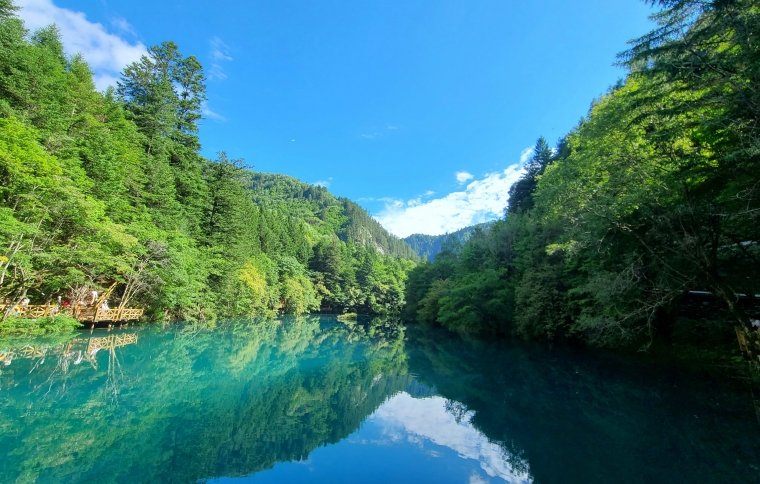
- Mirror Lake: True to its name, Mirror Lake is an incredibly still body of water that reflects the mountains and forests around it. Early morning is the best time to visit, as the calm water and soft light make for mesmerizing photographs.
- Zharu Monastery: For a touch of local culture, Zharu Monastery offers visitors a glimpse into Tibetan Buddhism. Set against a beautiful mountainous backdrop, the monastery is a peaceful place to learn about local religious practices.
- The Tibetan Villages: Scattered throughout the valley, Tibetan villages like Shuzheng and Zechawa offer a look at traditional Tibetan architecture and culture. Some of the villages sell handicrafts, providing a chance to bring home a unique souvenir.
Things to Do in Jiuzhaigou
Whether you’re a hiker, photographer, or culture enthusiast, there’s plenty to do in Jiuzhaigou:
- Hiking: Jiuzhaigou’s well-maintained trails provide an excellent way to explore the valleys and see the lakes, waterfalls, and forests up close. The park has trails for all levels, from easy walks to more challenging treks.
- Photography: With its vibrant colors and dramatic landscapes, Jiuzhaigou is a dream for photographers. Bring a wide-angle lens to capture the expansive views and a polarizing filter to reduce glare on the water.
- Boat Rides: Several lakes, including Long Lake and Panda Lake, offer boat rides that give a different perspective of the park’s landscape. These rides are especially beautiful in the autumn when the trees are changing colors.
- Tibetan Cultural Experiences: Visiting the Tibetan villages in Jiuzhaigou allows you to experience local customs, try Tibetan cuisine, and see traditional architecture. Some villages also offer performances featuring Tibetan singing and dancing.
- Nature and Wildlife Watching: Jiuzhaigou is home to a variety of plant and animal species, some of which are rare and endangered. The reserve is a protected habitat for wildlife like the giant panda, golden snub-nosed monkey, and other unique species.
- Autumn Foliage Viewing: Autumn is a particularly stunning time to visit Jiuzhaigou, as the park’s forests burst into vibrant shades of red, orange, and yellow. This is also the most popular season, so expect larger crowds during this time.
Interesting Facts about Jiuzhaigou
- World Biosphere Reserve: Jiuzhaigou is part of UNESCO’s World Biosphere Reserve network due to its ecological significance and biodiversity.
- Mineral-Rich Waters: The lakes in Jiuzhaigou are known for their stunning colors, thanks to high concentrations of calcium carbonate and other minerals.
- Tibetan Influence: Jiuzhaigou’s Tibetan villages are a testament to the park’s cultural heritage, showcasing traditional Tibetan lifestyles and practices that have existed for centuries.
- Home to Endangered Species: Jiuzhaigou is a protected habitat for some of China’s rarest animals, including the giant panda and golden snub-nosed monkey, though sightings are rare.
- Earthquake Recovery: After a 2017 earthquake, Jiuzhaigou underwent significant restoration efforts. The park has since reopened, though some areas remain closed to allow nature to recover.
Off-the-Beaten-Path Recommendations
If you’re looking to explore beyond the main attractions, Jiuzhaigou has a few hidden gems:
- Hike to Lesser-Known Lakes: While most visitors stick to the main paths, exploring lesser-known lakes like Rhinoceros Lake and Grass Lake can provide a quieter, more intimate experience.
- Overnight in a Tibetan Village: Some villages offer accommodations, allowing you to stay overnight and experience Tibetan hospitality, cuisine, and customs.
- Zharu Valley Trek: The Zharu Valley is less crowded and offers a challenging hike through pristine nature. This valley is also rich in wildlife and has several sacred Tibetan sites.
- Explore Nearby Villages: The villages surrounding Jiuzhaigou are less visited but provide a deeper insight into local life. These villages are more authentic and less tourist-focused, offering a glimpse into daily life in rural Sichuan.
Travel Tips and Practical Information
- Best Time to Visit: Autumn (September to November) is the most popular season due to the fall colors, but Jiuzhaigou is beautiful year-round. Spring brings blooming flowers, while winter offers a quieter experience with fewer crowds and snow-covered landscapes.
- Getting There: Jiuzhaigou is accessible by flight from Chengdu to Jiuzhai Huanglong Airport, followed by a two-hour drive to the park. Alternatively, you can take a bus from Chengdu, which takes about 10 hours.
- Entrance Fees: Entrance fees vary by season, with discounts in winter. It’s advisable to check current prices online as they change periodically.
- Accommodation: There are several hotels near the park entrance, ranging from budget to luxury. It’s best to book in advance, especially during peak season.
- Dress for the Weather: Jiuzhaigou’s weather can be unpredictable, so bring layers, rain gear, and comfortable hiking shoes.
- Respect Local Culture: Jiuzhaigou is home to Tibetan communities, so be respectful of local customs. Avoid taking photos of people without permission and dress modestly when visiting villages.
Nearby Points of Interest & Landmarks
If you have extra time, there are several other beautiful places near Jiuzhaigou to explore:
- Huanglong Scenic Area: Located about 3 hours from Jiuzhaigou, Huanglong is another UNESCO site known for its colorful calcite pools, snow-capped peaks, and unique wildlife.
- Songpan Ancient Town: A historic town that served as a military outpost during the Ming Dynasty, Songpan offers a glimpse into ancient Chinese architecture and culture.
- Munigou Scenic Area: Known for its beautiful hot springs, waterfalls, and lakes, Munigou is a quieter alternative to Jiuzhaigou.
- Wolong Panda Reserve: Located near Chengdu, this reserve is dedicated to the preservation and study of giant pandas and offers a chance to see these adorable animals up close.
Final Thoughts
Jiuzhaigou Valley is a place where nature’s beauty and cultural heritage intertwine, creating a mesmerizing destination unlike any other. Its vivid lakes, majestic waterfalls, and tranquil forests make it a dream destination for nature enthusiasts, while its Tibetan villages add a unique cultural dimension. Whether you’re visiting in the colorful autumn or the serene winter, Jiuzhaigou promises an unforgettable experience in the heart of China’s southwestern wilderness. So, pack your bags and prepare for an enchanting journey into Jiuzhaigou, China’s paradise valley.