




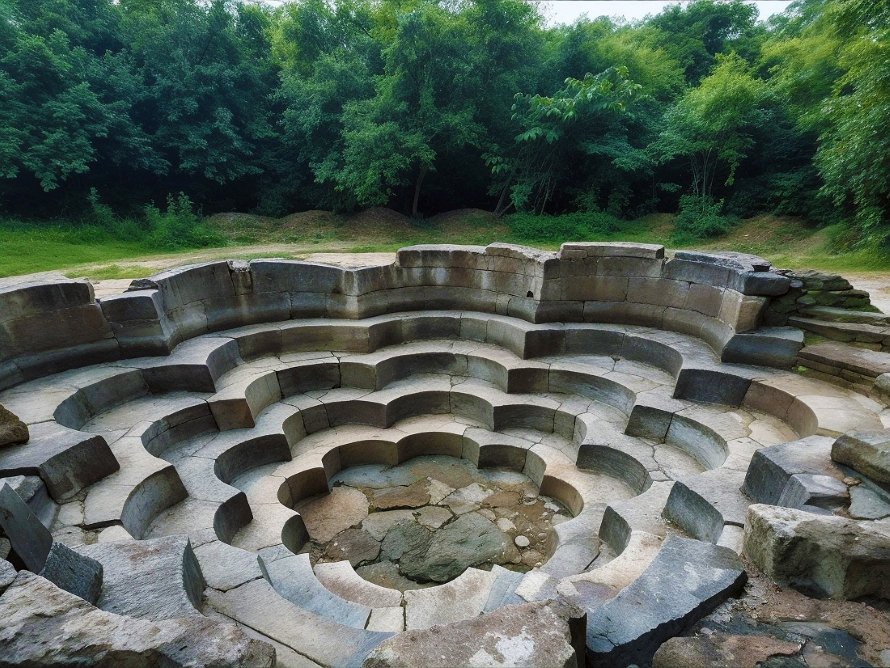
Deep in the heart of Sri Lanka lies a hidden masterpiece of ancient engineering and artistic grace: Nelum Pokuna, also known as the Lotus Pond. This stunning ancient water structure, dating back to the 12th century, is located in Polonnaruwa, the island’s historic medieval capital. Shaped like a lotus in full bloom, the pond reflects the architectural brilliance and spiritual depth of ancient Sri Lanka. Visitors today are drawn not only to its beauty but also to its tranquil ambiance and the fascinating history surrounding it. In this guide, we’ll explore the history, structure, legends, and essential tips for visiting this ancient site.
History of Nelum Pokuna
Nelum Pokuna, often referred to as the “Lotus Pond,” dates back to the reign of King Parakramabahu the Great (1153-1186 AD) in the ancient kingdom of Polonnaruwa. King Parakramabahu is remembered for his visionary leadership and grand architectural projects, and Nelum Pokuna is one of the many structures that showcase his era’s blend of functionality and beauty. Built as a part of the monastery complex at Alahana Pirivena, Nelum Pokuna served as a bathing pond for Buddhist monks and was designed with both aesthetic and practical purposes in mind.
Sri Lanka’s dry zone climate made water management crucial, and King Parakramabahu was famous for his commitment to large-scale irrigation systems. He is credited with saying, “Let not a single drop of water that falls from the sky flow into the ocean without being made useful to man.” With this vision, he constructed massive reservoirs, canals, and ponds across the kingdom. Nelum Pokuna, with its intricate lotus design, was part of this larger effort to manage water resources efficiently while also providing a sacred space for relaxation and reflection.
Polonnaruwa flourished under King Parakramabahu, becoming a center of Buddhism, art, and commerce. It was a time when the city’s architecture, sculpture, and landscape design reached new heights. The lotus shape of the pond, a symbol of purity and enlightenment in Buddhist culture, added a spiritual dimension to the functional structure. Nelum Pokuna and other similar ponds would have been used by monks not only for bathing but also for meditative practices, connecting the physical act of cleansing with spiritual purification.
After the decline of Polonnaruwa due to invasions and shifts in the political landscape, the city was gradually abandoned, and Nelum Pokuna fell into disuse. However, centuries later, it was rediscovered by archaeologists and restored to showcase its historical and architectural significance. Today, Nelum Pokuna remains a symbol of Sri Lanka’s ancient heritage, embodying the country’s rich culture, religious values, and historical ingenuity.
Building Details
The structure of Nelum Pokuna is nothing short of a marvel. Its design reflects a lotus in full bloom, with multiple terraces representing the petals. Built from solid stone blocks, the pond features five concentric tiers, each tier resembling a lotus petal when viewed from above. The entire pond is about 8 meters (26 feet) in diameter, and each “petal” serves as a step leading down into the water.
The pond’s symmetry and craftsmanship are stunning, with precision cutting and interlocking stones that have withstood centuries. Its circular design not only makes it visually appealing but also serves practical purposes. The shape facilitates water flow and purification, ensuring that the pond remains fresh and clean. The bottom of the pond is slightly inclined, allowing excess water to drain away while keeping it from stagnating.
An ingenious irrigation system channels water to the pond from nearby sources. Though it is unclear exactly how water was originally supplied to Nelum Pokuna, it is likely that it was connected to one of Polonnaruwa’s many reservoirs or canals. This setup reflects the advanced hydrological knowledge of the ancient Sinhalese engineers and their ability to incorporate nature’s elements into their architectural design.
Key Features
- Lotus Shape Design: The most captivating feature of Nelum Pokuna is its lotus-shaped design. The layers of “petals” around the pond give it an ethereal beauty and symbolize purity in Buddhist culture.
- Stone Steps: Each tier or “petal” of the lotus pond has carefully carved steps, which provided monks with easy access to different water levels for various uses.
- Irrigation System: Although not visible today, the pond was once connected to an advanced water channel system that ensured a steady and clean water supply, reflecting the ancient Sinhalese expertise in water management.
- Monastic Connection: As part of the Alahana Pirivena monastic complex, Nelum Pokuna served Buddhist monks, tying it directly to the region’s spiritual practices.
- Compact Size: Despite its relatively small size, the design makes it visually striking and serene, creating an illusion of a much larger space that reflects Sri Lanka’s architectural genius.
Myths and Legends
Nelum Pokuna has been enveloped in a few intriguing legends over the centuries. One popular legend claims that it was not only a bathing place but also a mystical pool where monks could experience moments of enlightenment. According to some ancient texts, monks believed that meditating at Nelum Pokuna would bring them closer to the divine, thanks to the symbolic significance of the lotus in Buddhism.
Another legend suggests that the pond was used for ritual purification ceremonies, with water considered holy due to its connection to sacred natural springs. Some stories also link Nelum Pokuna to divine interventions, suggesting that its lotus shape was a gift from the gods to the people of Polonnaruwa, symbolizing the importance of harmony between nature and spirituality.
[put_wpgm id=180]
Getting There
Getting to Nelum Pokuna is relatively easy if you’re already in the ancient city of Polonnaruwa, a popular stop for travelers exploring Sri Lanka’s Cultural Triangle. The nearest major city is Colombo, from where you can reach Polonnaruwa by train or bus. The train journey takes around six to seven hours and offers scenic views of Sri Lanka’s countryside. Buses are another option, but they can be longer and less comfortable.
Once you’re in Polonnaruwa, Nelum Pokuna is located within the Alahana Pirivena monastery complex, which is part of the larger Polonnaruwa Archaeological Site. Most travelers rent bicycles or tuk-tuks to explore the sprawling ruins, as the different sites can be spread out across several kilometers.
Nearby Points of Interest & Landmarks
- Gal Vihara: Just a short distance from Nelum Pokuna, Gal Vihara is a rock temple known for its stunning Buddha statues carved into granite. The serene expressions on the Buddha’s face make it one of the most revered sites in Polonnaruwa.
- Vatadage: A circular relic house, the Vatadage is one of Polonnaruwa’s most iconic structures. It was built to enshrine a sacred relic, likely a tooth relic of the Buddha, and features exquisite carvings on its stone pillars and steps.
- Parakrama Samudra (Sea of Parakrama): A massive artificial reservoir built by King Parakramabahu, Parakrama Samudra is an impressive feat of ancient engineering. The reservoir covers nearly 2,500 hectares and still serves the local communities today.
- Nissanka Latha Mandapaya: Known for its unique, lotus-shaped pillars, this structure was likely a chapter house for monks. The distinctive design of the pillars reflects the beauty and elegance of ancient Sinhalese architecture.
- Rankoth Vehera: This impressive stupa, the largest in Polonnaruwa, was built under the reign of King Nissanka Malla and stands as a symbol of the city’s grandeur and devotion to Buddhism.
Final Thoughts
Nelum Pokuna Lotus Pond may not be as famous as some of Sri Lanka’s other historical landmarks, but it is undoubtedly one of its most beautiful and peaceful sites. The pond’s lotus design is a testament to the artistry and symbolism in ancient Sri Lankan architecture. Beyond its visual appeal, Nelum Pokuna tells the story of a civilization that revered water, spirituality, and harmony with nature. For travelers venturing through Sri Lanka’s Cultural Triangle, a visit to Nelum Pokuna offers a glimpse into the lives of ancient Buddhist monks and the ingenuity of the Sinhalese people. Make sure to bring your camera, take a moment to sit by the pond, and appreciate the serenity of this ancient gem.