Introduction
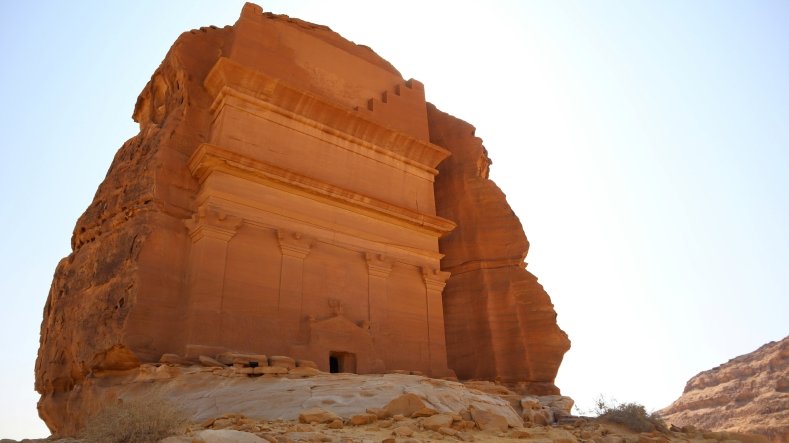
Hegra, also known as Mada’in Salih, is an awe-inspiring ancient city located in the Hejaz region of Saudi Arabia. Once a thriving hub of the Nabatean Kingdom, the same civilization behind Jordan’s famous Petra, Hegra is a treasure trove of archaeological wonders. Its dramatic sandstone tombs, intricately carved into rocky outcrops, have earned it the nickname “The Petra of Saudi Arabia.” But unlike Petra, Hegra is far less crowded, offering visitors a more tranquil experience of exploring an ancient world. Designated as Saudi Arabia’s first UNESCO World Heritage Site, Hegra is not just a place of history—it’s also a testament to the architectural and cultural prowess of the Nabateans, who ruled the trade routes in the Arabian Peninsula over 2,000 years ago. Whether you’re an archaeology enthusiast or simply someone with a love of adventure, a visit to Hegra will transport you back to a forgotten era.
At a Glance
Hegra is situated in the AlUla region, about 300 kilometers from the Red Sea coast, and covers an area of around 52 hectares. It features over 100 well-preserved monumental tombs, complete with intricate facades, offering a stunning insight into Nabatean art and engineering. Carved directly into the sandstone cliffs, these tombs are believed to date back to the 1st century BCE to the 1st century CE. Alongside the tombs, there are remains of wells, ancient inscriptions, and ruins of a once-thriving city that was strategically placed along trade routes connecting the Arabian Peninsula to the Mediterranean and beyond. Hegra was a significant stop for caravans, serving as a key point in the spice and incense trade, making it a critical player in the economy of its time.
Highlights
- Over 100 Monumental Tombs: These tombs are carved directly into sandstone cliffs, each with intricate facades showcasing Nabatean architectural artistry.
- Qasr al-Farid: The most iconic tomb, standing alone and offering a magnificent example of Nabatean craftsmanship.
- Ancient Inscriptions: Discover inscriptions in Aramaic, Thamudic, and Nabatean languages scattered throughout the site.
- Wells and Water Management Systems: A glimpse into the sophisticated water infrastructure that sustained life in this arid region.
- Less Crowded than Petra: Enjoy exploring these ancient ruins with fewer tourists around, allowing for a more intimate experience.
Activities
- Tomb Exploration: Wander through the many tombs, each telling its own story of the individuals buried there.
- Guided Tours: Learn about the history and culture of the Nabateans with a knowledgeable guide who can provide deeper insights.
- Hiking and Photography: The dramatic landscape offers endless opportunities for photography and exploration.
- Stargazing: With minimal light pollution, Hegra’s desert location makes for excellent stargazing, perfect for an evening adventure.
Best Time to Visit
The best time to visit Hegra is from October to March when the weather is cooler and more comfortable for exploring. Summers can be extremely hot, with temperatures soaring above 40°C (104°F), making outdoor activities challenging.
Getting There
Hegra is located near the town of AlUla in northwestern Saudi Arabia, approximately 300 kilometers from the city of Medina. The nearest airport is Prince Abdul Majeed bin Abdulaziz Domestic Airport in AlUla, which is well-connected to major cities like Riyadh and Jeddah. From AlUla, Hegra is just a short drive away, and visitors can easily arrange transportation through guided tours or rental cars.
Final Thoughts
Hegra is a fascinating destination that combines the intrigue of ancient history with the beauty of Saudi Arabia’s desert landscape. Whether you’re marveling at the grand tombs or learning about the Nabateans’ incredible ability to thrive in such a harsh environment, a visit to Hegra is a journey back in time. With fewer crowds and stunning scenery, Hegra offers a more intimate experience than its more famous counterpart, Petra. For anyone looking to uncover one of Saudi Arabia’s hidden gems, Hegra is a must-see.