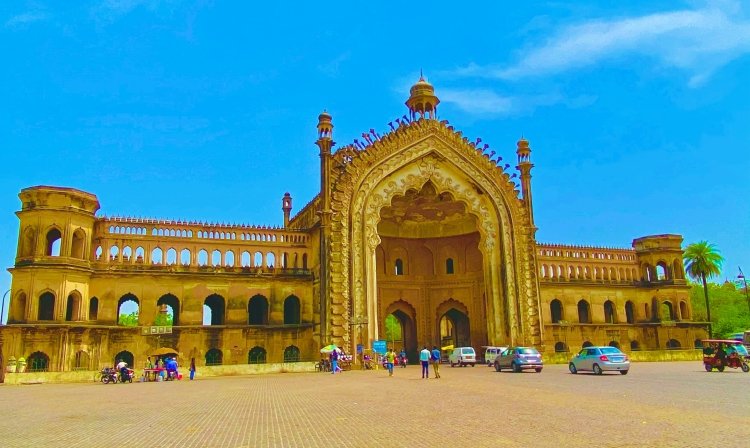
Standing tall in the heart of Lucknow, Rumi Darwaza is one of the city’s most iconic landmarks and a stunning example of Mughal-era architecture. This grand gateway, often referred to as the “Turkish Gate,” transports visitors back in time to the era of Nawabs, when the city was a cultural and architectural hub. Built in the 18th century, Rumi Darwaza is not just a beautiful monument, but also a symbol of Lucknow’s rich history and artistic heritage. Whether you’re a history enthusiast or simply love soaking in stunning architecture, a visit to Rumi Darwaza is a must when exploring this vibrant city.
Rumi Darwaza was commissioned in 1784 by Nawab Asaf-ud-Daula, the fourth Nawab of Awadh, as part of a famine relief project. Its construction provided employment to thousands during a period of economic hardship. The gate was modeled after Bab-e-Humayun in Istanbul, reflecting the Nawabs’ deep admiration for Turkish and Persian art and culture. Standing at 60 feet, the gateway served as the western entrance to the Old City and is a testament to Lucknow’s historic role as a cultural crossroads.
The name “Rumi” is thought to be derived from Rumi, a reference to the cultural influence of the Romans (Byzantines), signifying the Indo-Islamic fusion that shaped much of Lucknow’s historical architecture. The structure is made from finely crafted brick and lime, featuring elaborate Mughal-style ornamentation. It has become a symbol of Lucknow, reflecting the city’s blend of Mughal, Turkish, and Persian influences.
Main Attraction: The Majestic Rumi Darwaza
- Architectural Splendor: The sheer grandeur of Rumi Darwaza is what captures the attention of every visitor. At 60 feet high, the gateway is a perfect blend of Mughal and Awadhi architecture, with intricate detailing that reflects the artistic excellence of the time. The chhatris (dome-shaped pavilions) on top and the detailed floral motifs carved into the façade highlight the skilled craftsmanship involved in its construction. The gate has no wood or metal reinforcements, which is a testament to the brilliance of Mughal-era engineering.
- Historical Significance: More than just an architectural marvel, Rumi Darwaza played a significant role in Lucknow’s history. It symbolized the prosperity of the city under the Nawabs and served as a key part of the city’s defense. Walking under the arch, you can almost imagine the processions of royalty that passed through it centuries ago. Be sure to bring your camera to capture the imposing structure from different angles!
- Best Time to Visit: The monument looks particularly beautiful at night when it is illuminated. The lights highlight its intricate features, making it a perfect spot for evening strolls and photography.
Off-the-Beaten-Path Recommendations:
- Exploring the Old City: Once you’ve marveled at Rumi Darwaza, venture into the Old City of Lucknow. The narrow lanes are filled with historic mosques, old Havelis, and bustling markets that still retain the charm of yesteryears. While the area may seem chaotic at first, it offers a unique glimpse into the local culture and history that make Lucknow so special.
- Hidden Architectural Gems: Just a short walk from Rumi Darwaza are several lesser-known but equally stunning architectural sites, like Hussainabad Clock Tower and Chhota Imambara. These sites offer fewer crowds but equally beautiful historical structures that reflect the city’s rich heritage. Take some time to wander off the tourist path and discover these hidden gems!
Local Food and Drink:
- Tunday Kababi: No visit to Lucknow is complete without indulging in the city’s famous Tunday Kababs. Located just a short distance from Rumi Darwaza, the original Tunday Kababi shop serves mouth-watering, melt-in-your-mouth kebabs that have been a favorite for locals and visitors for generations. The soft, flavorful kebabs, made from finely minced meat, are a must-try for any food lover.
- Awadhi Cuisine: Lucknow is known for its Awadhi cuisine, and the area around Rumi Darwaza is home to several small eateries where you can try local specialties like biryani, galouti kebabs, and sheermal (a traditional flatbread). If you’re craving something sweet, look for stalls selling kulfi or the famous Lucknawi paan, a traditional digestive wrapped in betel leaves.
- Chai and Street Snacks: After exploring the area, stop by a local chai (tea) stall for a refreshing cup of sweet, spiced tea. Pair it with local street snacks like samosas or kebabs for a true taste of Lucknow’s culinary scene.
Travel Tips and Practical Information:
- Getting There: Rumi Darwaza is centrally located in Lucknow and can easily be reached by auto-rickshaw, taxi, or local bus. If you’re exploring on foot, it’s a short distance from other famous sites like the Bara Imambara and Chhota Imambara.
- Best Time to Visit: Lucknow’s weather can be quite hot in the summer, so the best time to visit is between October and March, when the temperatures are cooler and more comfortable for exploring.
- Entrance Fee: Rumi Darwaza itself does not have an entrance fee and is open to the public throughout the day. However, other nearby attractions may charge a small fee for entry.
- What to Wear: Since Rumi Darwaza is located near religious sites, it’s a good idea to dress modestly. Comfortable shoes are also a must, as you’ll likely be walking through the surrounding streets and markets.
Nearby Points of Interest & Landmarks:
- Bara Imambara: Just a short walk from Rumi Darwaza, this grand 18th-century complex features a large hall with no supporting beams and the famous Bhool Bhulaiya (maze). It’s one of Lucknow’s most famous landmarks.
- Chhota Imambara: Another nearby attraction, Chhota Imambara is a beautiful Mughal-era building adorned with intricate chandeliers and mirrors. It’s smaller but no less impressive than the Bara Imambara.
- Hussainabad Clock Tower: Built in 1881, this towering structure stands close to Rumi Darwaza and is the tallest clock tower in India. It’s a lovely spot to visit while exploring the area.
- Jama Masjid: Located in the old city, this stunning mosque is known for its intricate stonework and majestic domes. It’s a peaceful place to admire Mughal architecture.
Final Thoughts: Rumi Darwaza is more than just a gateway—it’s a symbol of Lucknow’s rich history, culture, and architectural brilliance. Whether you’re standing in awe of its grand facade or exploring the lively streets around it, this iconic landmark is sure to leave a lasting impression. From its Mughal-era charm to the tantalizing flavors of nearby eateries, a visit to Rumi Darwaza offers a perfect blend of history, culture, and local life. If you’re planning a trip to Lucknow, make sure to add this magnificent structure to your itinerary!