




The Dead Sea is one of the world’s most fascinating natural wonders, known for its incredibly salty waters, therapeutic mud, and unique landscape. Located at the lowest point on Earth, the Dead Sea sits between Israel and Jordan, attracting visitors from all over the globe looking to float effortlessly in its mineral-rich waters. Whether you’re seeking a wellness retreat, an adventure through ancient lands, or just a unique experience, the Dead Sea offers something for everyone. Plus, it’s packed with history and breathtaking scenery that make it a must-visit destination in the Middle East.
The Dead Sea gets its name due to its extreme salt concentration—about 10 times saltier than ocean water—which makes it impossible for most forms of life to survive in its waters. However, this same salinity is what makes the sea so famous. The high mineral content is believed to have healing properties, making the Dead Sea a popular spot for wellness enthusiasts. Its shores have been a destination for health seekers since the time of King Herod.
The Dead Sea lies in the Jordan Rift Valley, bordered by Jordan to the east and Israel and Palestine to the west. Its unique geography, coupled with the surrounding desert landscape and historical significance, makes the Dead Sea one of the most interesting spots in the world. Over time, the sea has been shrinking due to water diversion, so visiting this natural wonder is truly a once-in-a-lifetime experience.
Main Attractions:
- Floating in the Dead Sea: The number one thing everyone wants to try when they visit the Dead Sea is floating! Thanks to the high salt content, you’ll be able to float effortlessly on the surface. It’s an experience like no other, and even non-swimmers can enjoy the fun.
- Dead Sea Mud Baths: The mineral-rich mud found along the shores of the Dead Sea is famous for its supposed therapeutic and skin-nourishing benefits. Smearing yourself in the dark mud, letting it dry, and then rinsing off in the sea is a ritual you won’t want to miss. Your skin will feel rejuvenated, smooth, and refreshed afterward.
- Ein Gedi Nature Reserve: Located near the Dead Sea’s shores, the Ein Gedi is an oasis in the desert, with beautiful hiking trails, waterfalls, and lush greenery. It’s a perfect place to explore before or after a dip in the salty waters.
Off-the-Beaten-Path Recommendations:
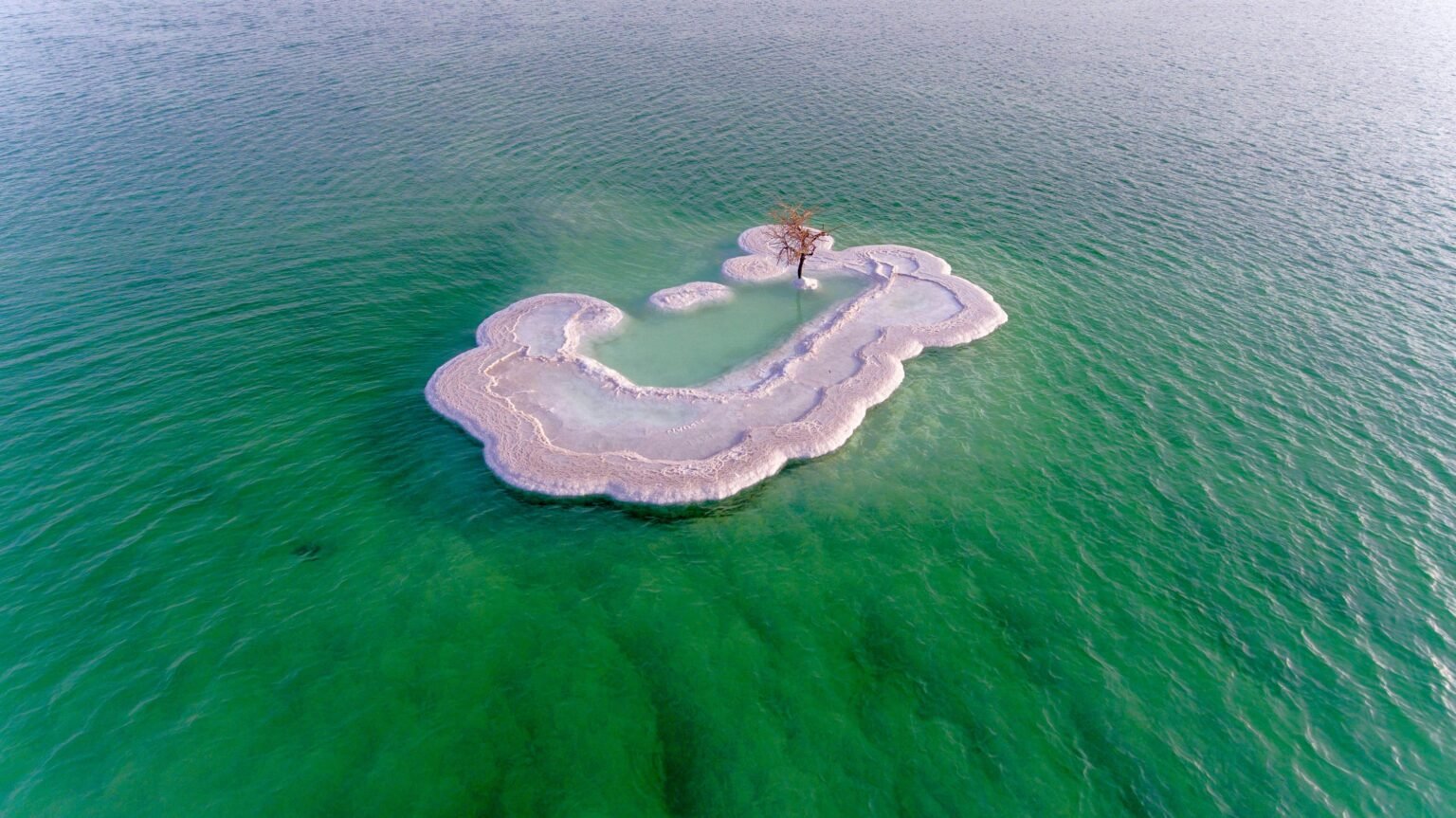
- Visit the Salt Formations: While the main beaches are popular, take time to explore the lesser-known parts of the Dead Sea where stunning natural salt formations create otherworldly landscapes. These crystal-like formations are great for photography and are a peaceful spot to enjoy the surreal scenery without the crowds.
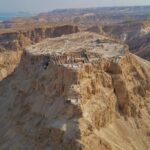
- Hike Masada at Sunrise: Masada is an ancient fortress overlooking the Dead Sea, and it’s one of the most iconic historical sites in the area. Many visitors opt to hike up Masada early in the morning to catch the sunrise over the Dead Sea—it’s a magical experience that blends history with the beauty of nature.
- Zara Cliff Walk in Jordan: On the Jordanian side, this walk offers an unforgettable view of the Dead Sea from high above. It’s an ideal place for those looking to connect with nature while avoiding the more tourist-heavy areas.
Local Food and Drink:
- Middle Eastern Cuisine: Whether you’re on the Jordanian or Israeli side, the local food near the Dead Sea is a highlight in itself. Indulge in falafel, hummus, shawarma, and fresh pita bread at nearby eateries. The combination of rich spices, fresh ingredients, and hearty portions makes Middle Eastern cuisine a traveler’s favorite.
- Dead Sea Salt Products: You can’t leave without trying or buying some of the Dead Sea’s famed products. From salt scrubs to skin creams made from the sea’s minerals, you’ll find plenty of shops selling items known for their restorative properties.
- Fresh Juices and Local Snacks: As you relax near the beach, many stands offer fresh juices like pomegranate, orange, and date shakes. Pair it with baklava or some dates, and you’ve got a perfect mid-day treat.
Travel Tips and Practical Information:
- Best Time to Visit: The best time to visit the Dead Sea is during the cooler months, between October and April. Summer temperatures can soar above 40°C (104°F), making it uncomfortable for outdoor activities. Early mornings and late afternoons are ideal for floating and hiking, as the heat is less intense.
- What to Bring: Bring water shoes or sandals, as the salt crystals along the shore can be rough on your feet. Sunscreen is also a must—while you may be tempted to float for hours, the sun in this region is very strong. Don’t forget a bottle of water to stay hydrated, especially in the dry desert air.
- Swimming Etiquette: While floating is the main draw, be careful not to get the salty water in your eyes or mouth, as it can sting badly. Showers are available at most public beaches so you can rinse off the salt after your float.
- Health Benefits: Many people visit the Dead Sea for its supposed healing benefits. The air around the Dead Sea has lower UV levels and is oxygen-rich, which some believe can help with respiratory conditions. The mud and water are also said to help with skin conditions like psoriasis and eczema.
Nearby Points of Interest & Landmarks:
- Masada ancient fortification: This ancient fortress is a must-visit for history buffs. Perched on a plateau overlooking the Dead Sea, it’s known for its role in the Jewish-Roman wars and offers stunning views of the area.
- Qumran Caves: This site is where the famous Dead Sea Scrolls were discovered. You can visit the nearby archaeological site and learn about the historical significance of the scrolls.
- Mount Nebo: On the Jordanian side, Mount Nebo is a biblical site where Moses is said to have viewed the Promised Land. The views from the mountain are spectacular, overlooking the Dead Sea, Jordan Valley, and even Jerusalem on a clear day.
- Kalia Beach: One of the most popular public beaches on the Israeli side of the Dead Sea, Kalia Beach has great facilities, including mud pools and floating zones.
Final Thoughts:
The Dead Sea is more than just a bucket-list destination; it’s a place steeped in history, natural beauty, and health benefits. Whether you’re there for a quick float, a hike up Masada, or a mud spa day, the Dead Sea offers a unique experience that’s hard to find anywhere else. With a blend of relaxation, adventure, and cultural exploration, the Dead Sea should be on every traveler’s itinerary when visiting the Middle East.