Peru is famous for Machu Picchu, but did you know that it’s also home to the oldest solar observatory in the Americas? Welcome to Chanquillo, a mind-blowing archaeological site that’s tucked away in the Peruvian desert, far from the usual tourist hotspots. This ancient complex, dating back over 2,000 years, offers a unique blend of astronomy, history, and mystery.
Chanquillo is most famous for its Thirteen Towers, an ancient solar calendar used to track the movements of the sun. It’s like Stonehenge meets the Nazca Lines—but with fewer crowds and way more sunshine! Whether you’re a history nerd, an astronomy enthusiast, or just someone looking to explore something truly unique, Chanquillo is a destination you won’t want to miss.
History of the Chanquillo monumental complex:
Chanquillo dates back to around 400 BC and was built by a pre-Inca civilization, though much of its history remains shrouded in mystery. The site is thought to have been a ceremonial and astronomical center, with its most notable feature being the Thirteen Towers solar observatory. These towers allowed ancient peoples to track the sun’s position with stunning precision, marking important dates like solstices and equinoxes.
The people who constructed Chanquillo were highly skilled in both engineering and astronomy. The site predates even the more famous astronomical structures of Europe, making it a significant location in the study of early civilizations and their understanding of the cosmos.
Interestingly, while Chanquillo was primarily used for astronomical purposes, it also had a military function. The site includes fortifications and defensive structures, suggesting that it may have played a dual role as both an observatory and a fortified complex, likely for religious and political elites.
Description of the Site:
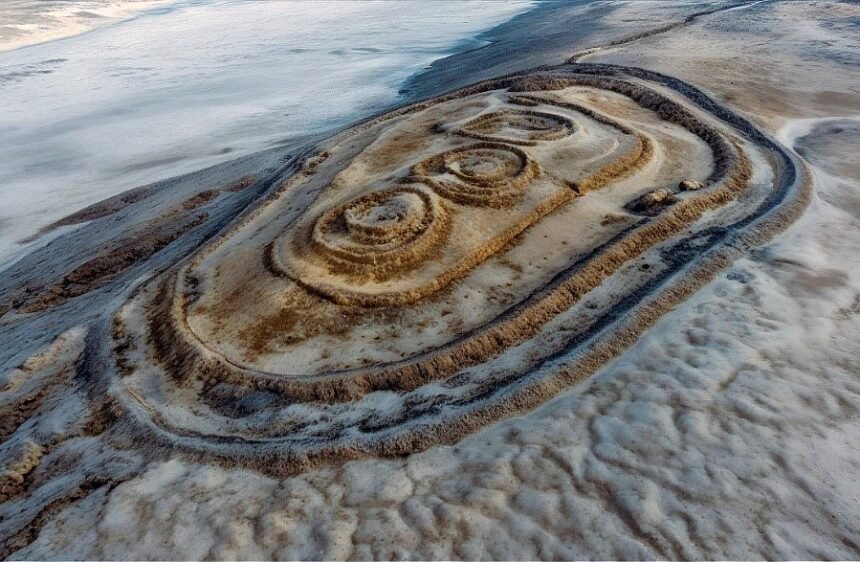
Chanquillo sprawls across a desert landscape, offering a panoramic view of the surrounding plains. The site includes three main areas: the Fortified Temple, the Thirteen Towers, and a series of interconnected plazas and enclosures.
The Fortified Temple is a massive, imposing structure perched atop a hill. It features thick walls and overlooks the Thirteen Towers. Archaeologists believe this was not just a religious site but also a strategic lookout, offering views of the surrounding valleys.
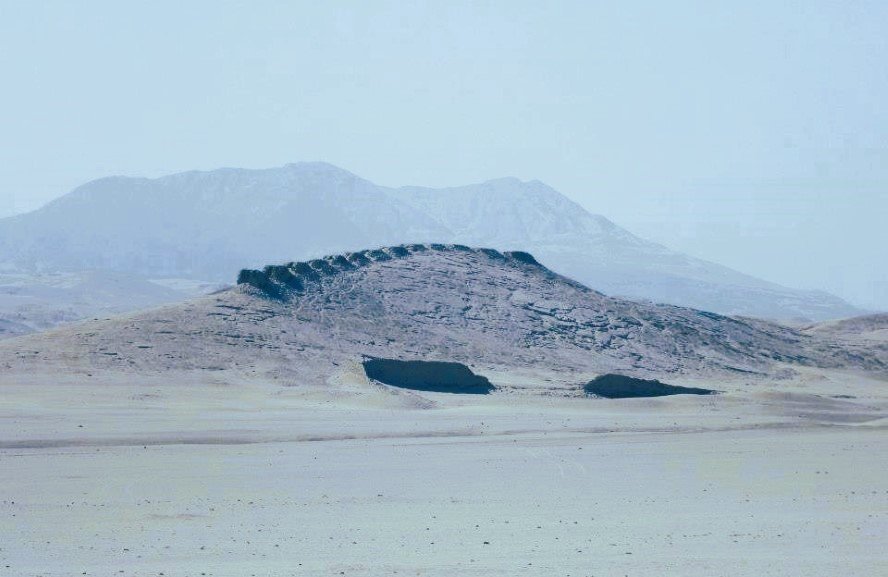
But the stars of the show are the Thirteen Towers, which stretch across a ridge in a perfectly straight line. The towers are spaced out evenly and positioned in such a way that, when viewed from specific observation points below, they align with the sun’s movements. This design allowed ancient astronomers to create a solar calendar with incredible accuracy, tracking time through the year.
The entire site is a mix of ingenuity and architectural mastery, blending form, function, and spirituality in a way that captivates modern researchers and visitors alike.
The Thirteen Towers Solar Observatory:
The Thirteen Towers of Chanquillo are what make this site a marvel of ancient astronomy. The towers are aligned in such a way that they mark the position of the sun as it rises and sets throughout the year. On the summer and winter solstices, the sun appears to rise or set over the northernmost or southernmost towers, while the equinoxes are marked by the sun rising or setting between the central towers.
This solar observatory allowed the ancient civilization to create a precise calendar, regulating agricultural activities and religious ceremonies. It’s fascinating to think that, more than 2,000 years ago, people were using this desert skyline as a giant clock!
What’s even more impressive is the precision with which these towers were built. They are spaced at intervals that correlate to the sun’s movement through the sky, allowing ancient astronomers to mark time with remarkable accuracy.
Usage:
While the Thirteen Towers were primarily used for astronomical purposes, Chanquillo had multiple roles. The fortified temple suggests a defensive function, possibly serving as a refuge or military post during times of conflict. Meanwhile, the presence of ceremonial spaces points to its importance in religious rituals. The solar observatory likely played a key role in scheduling these events, marking the timing of festivals and agricultural cycles.
Chanquillo was clearly a hub of activity, blending the spiritual, the practical, and the defensive all in one location.
Interesting Facts:
- Oldest Solar Observatory: Chanquillo’s Thirteen Towers predate other famous solar observatories like Stonehenge by several centuries.
- World Heritage Site: In 2021, Chanquillo was designated a UNESCO World Heritage site, recognizing its global importance.
- Perfect Alignment: The Thirteen Towers’ alignment with the sun is so precise that it could be used to track time to within a few days.
- Dual Purpose: The site was both a ceremonial center and a military fortification—talk about multitasking!
- Desert Location: The site is located in the Sechura Desert, offering stunning views of the barren landscape and clear, starry skies at night.
Activities:
- Guided Tours: Learn about the site’s history and astronomical significance from knowledgeable local guides.
- Photography: Capture the stunning Thirteen Towers and the vast desert landscape surrounding the site.
- Stargazing: The desert’s clear skies make Chanquillo a perfect spot for stargazing.
- Hiking: Explore the surrounding desert and get up close to the ancient towers.
- Cultural Exploration: Discover nearby towns and villages that still hold ancient traditions and crafts.
Getting There:
- From Lima: Chanquillo is located about 370 kilometers (230 miles) north of Lima.
- By Car: It’s around a 5-hour drive from Lima, heading toward Casma.
- By Bus: Take a bus to Casma, then hire a taxi or join a local tour group for the final leg of the journey.
- Guided Tour: Many travel companies offer guided tours to Chanquillo from nearby cities like Casma.
- By Taxi: You can hire a taxi from Casma or Lima for a more direct route.
Final Thoughts:
Chanquillo may not be as famous as Peru’s other archaeological wonders, but it offers a fascinating glimpse into a civilization that was as obsessed with the stars as we are today. Whether you’re interested in ancient astronomy, history, or just looking for a unique destination off the beaten path, Chanquillo will not disappoint. The site is not just a relic of the past—it’s a testament to human ingenuity and our timeless connection to the cosmos. So next time you’re planning a trip to Peru, make sure Chanquillo is on your list!