

Every year, history buffs and adventure seekers flock to the small Belgian town of Waterloo to witness an unforgettable reenactment of one of Europe’s most famous battles—The Battle of Waterloo. This thrilling event brings the Napoleonic Wars back to life, complete with booming cannons, cavalry charges, and soldiers in authentic uniforms. Whether you’re a passionate historian or simply looking for an exciting cultural experience, the reenactment of this iconic 1815 battle offers a front-row seat to history, right on the actual battlefield where Napoleon faced his ultimate defeat.
The Battle of Waterloo, fought on June 18, 1815, was a decisive moment in European history. It marked the final defeat of Napoleon Bonaparte, ending his rule as Emperor of the French and concluding the Napoleonic Wars. Napoleon’s forces were met by the Duke of Wellington’s Anglo-allied army and the Prussian forces under Gebhard Leberecht von Blücher, in what became a fiercely fought, day-long battle near the town of Waterloo, just south of Brussels.
Today, Waterloo has become synonymous with this monumental event, and every June, thousands gather to watch a grand reenactment of the battle on the very same fields. The reenactment is a meticulously organized event, featuring hundreds of reenactors from all over Europe who bring the clash between Napoleon’s Grande Armée and the allied forces back to life. If you’ve ever wanted to step into the pages of a history book, this is the place to do it.
Main Event: The Reenactment
The centerpiece of the Waterloo experience is, of course, the reenactment of the battle itself. Taking place over several days in June, the event includes multiple skirmishes, demonstrations of military life, and the grand finale—a full-scale reenactment of the Battle of Waterloo.
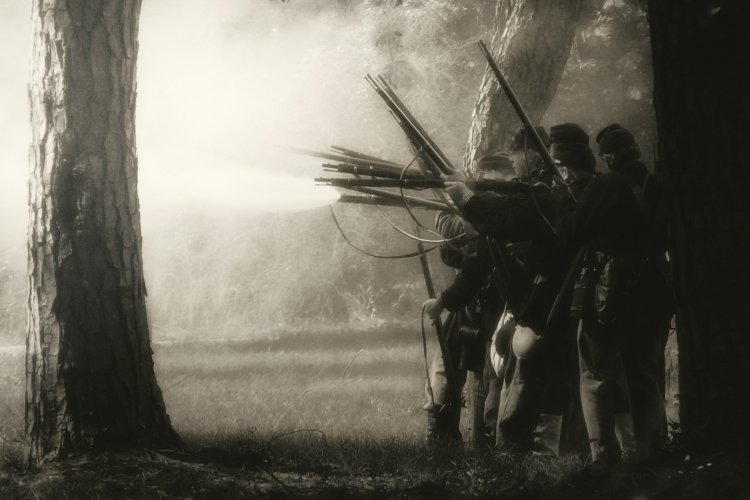
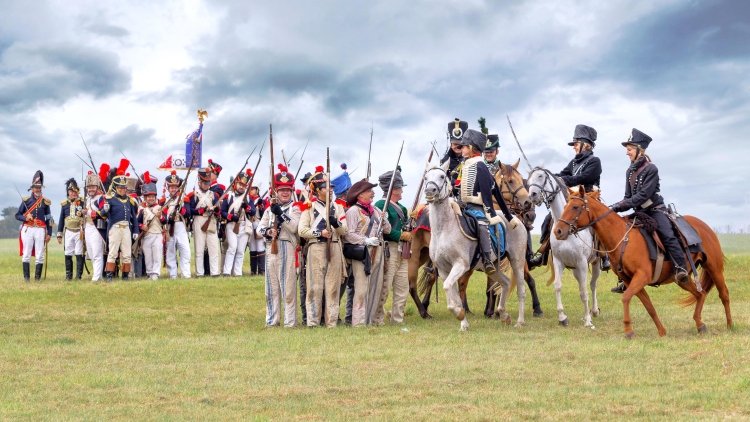
- The Battle Comes Alive: Hundreds of reenactors don authentic 19th-century military uniforms, complete with muskets, swords, and cannon fire. Watching the soldiers march in formation, cavalry riders galloping into action, and the thundering sound of artillery, you get a true sense of what the chaos of battle must have been like. The attention to detail is incredible, and the scale of the reenactment makes it feel like you’re witnessing history unfold right before your eyes.
- Historical Camps and Demonstrations: The reenactment isn’t just about the battle. Throughout the weekend, visitors can explore fully recreated military camps, where reenactors demonstrate how soldiers lived, ate, and prepared for battle in the early 19th century. From cooking over open fires to demonstrating how to load a musket, these camps offer a hands-on history lesson that’s fun and educational for all ages.
- Napoleon’s Defeat: The dramatic conclusion of the event is, of course, Napoleon’s final stand and defeat. The sight of the French army being driven back and Napoleon himself retreating from the battlefield is a powerful moment that marks the end of his ambitious empire.
Off-the-Beaten-Path Recommendations:
- Field Walks: While most visitors flock to the main reenactment area, there are quieter parts of the battlefield that offer peaceful walks and a chance to imagine what the soldiers experienced as they marched across these fields. Walking the less-trodden paths gives you a closer connection to the history, allowing you to reflect on the scale of the battle.
- Lion’s Mound Viewpoint: Though it’s popular, the Butte du Lion (Lion’s Mound) is a must-see. This massive mound offers a panoramic view of the battlefield. Climb the 226 steps to the top and get a bird’s-eye view of the landscape where the battle was fought. While you’re up there, imagine the scene of tens of thousands of soldiers clashing on these fields below.
- Explore the Prussian Angle: While much of the focus is on Napoleon and Wellington, the Prussian forces played a critical role in the battle. Seek out parts of the battlefield where the Prussians made their decisive entrance late in the day. This is a quieter area of the site that offers a different perspective on the battle.
Travel Tips and Practical Information:
- How to Get There: Waterloo is located about 20 kilometers south of Brussels and is easily accessible by train or car. Trains from Brussels run regularly to Waterloo station, and from there, it’s a short bus or taxi ride to the battlefield. If driving, parking is available, but it can get crowded during the reenactment event, so arrive early.
- Best Time to Visit: The reenactment typically takes place on the weekend closest to June 18, the anniversary of the battle. While this is the most popular time to visit, it’s also a busy period, so booking tickets and accommodations in advance is highly recommended.
- What to Bring: Comfortable walking shoes are essential since the battlefield and reenactment areas cover a large space. Bring sunscreen, a hat, and water, as the reenactment can last several hours, and there’s limited shade on the battlefield. A camera is a must to capture the action, but be sure to enjoy the live experience without spending the whole time behind the lens.
- Tickets and Costs: The reenactment event usually requires tickets, which can be purchased online in advance. Ticket prices vary depending on the package, with options that include access to different parts of the battlefield, reenactment viewing areas, and museums.
Nearby Points of Interest & Landmarks:
- Memorial 1815 Museum: Located near the Lion’s Mound, this museum provides an in-depth look at the events leading up to the Battle of Waterloo, the battle itself, and its aftermath. Interactive displays, 3D films, and historical artifacts make it a fantastic place to deepen your understanding of the battle before or after the reenactment.
- Hougoumont Farm: This fortified farmhouse played a key role in the battle, as it was fiercely defended by British forces. Today, Hougoumont is a beautifully restored site where you can explore the history of the battle, including the famous clash that took place at its gates.
- La Haye Sainte: Another critical battle site, La Haye Sainte was the scene of heavy fighting between the French and allied forces. This historic farm has been preserved, and you can explore the grounds and learn about its significance during the battle.
- Wellington Museum: Located in the town of Waterloo, this museum was once the Duke of Wellington’s headquarters. It’s filled with artifacts, maps, and personal belongings from the famous commander and offers a closer look at the man who defeated Napoleon.
Final Thoughts:
The Battle of Waterloo reenactment is an unmissable event for anyone with an interest in history or military reenactments. It’s not just about watching a battle play out—it’s about being immersed in the sights, sounds, and atmosphere of 1815. From the excitement of cannon fire to the quiet reflection on the battlefield itself, the Waterloo experience brings history to life in a way that few other events can. Whether you’re a history enthusiast or a curious traveler, this is an unforgettable journey into one of Europe’s most defining moments. So, pack your walking shoes and step back in time for a weekend of Napoleonic-era adventure!