




Perched on the windswept coast of the Shetland Islands, Lerwick is a town like no other. As the capital of this remote archipelago, it offers a unique blend of Viking heritage, rugged landscapes, and warm hospitality. Whether you’re exploring its historic harbor, wandering its narrow streets, or heading out on a wildlife adventure, Lerwick provides an unforgettable taste of life at the northern edge of the UK. If you’re into dramatic coastlines, rich history, and the occasional sighting of puffins and seals, Lerwick is calling your name!
Lerwick, the northernmost town in the United Kingdom, is the main hub of the Shetland Islands, located roughly 100 miles off the northern coast of mainland Scotland. Its origins date back to the 17th century, when Dutch fishermen would stop here, leading to the development of a small settlement. Over time, Lerwick grew into a bustling port, central to Shetland’s economy and culture.
Today, Lerwick retains its maritime roots, with a harbor that’s always busy with fishing boats, ferries, and yachts. The town is a mix of old and new, where modern buildings stand alongside centuries-old stone structures. It’s also the focal point of Shetland’s famous Up Helly Aa Viking fire festival, where locals celebrate their Norse heritage with spectacular bonfires and Viking-themed parades every January. With its rich history, proximity to breathtaking landscapes, and strong ties to the sea, Lerwick is the perfect gateway for exploring the rest of Shetland.
Main Attractions:
- Fort Charlotte: A 17th-century fortress located right in the heart of Lerwick, Fort Charlotte offers stunning views over the town and harbor. Built to defend against Dutch naval attacks, it’s a great spot to explore if you’re interested in military history or just want to enjoy the panoramic vistas.
- Shetland Museum and Archives: Located on the waterfront, this museum is a must-visit for anyone wanting to understand Shetland’s unique history and culture. With exhibits ranging from Viking relics to fishing and knitting traditions, the museum does a fantastic job of showcasing the island’s maritime heritage and Norse roots. Plus, it’s free to enter!
- Böd of Gremista: This restored 18th-century fishing booth offers a fascinating glimpse into Shetland’s fishing industry. It was once used by fishermen to store gear, and today, it functions as a small museum that tells the story of the island’s fishing past. It’s also the birthplace of Arthur Anderson, co-founder of the Peninsular and Oriental Steam Navigation Company (P&O).
- Harbor Walk: One of the best ways to experience Lerwick is simply by strolling along its charming harbor. Watch fishing boats come and go, check out the colorful houses lining the waterfront, and enjoy the fresh sea air. Keep your eyes peeled for seals, which are often spotted lounging around the harbor.
Off-the-Beaten-Path Recommendations:
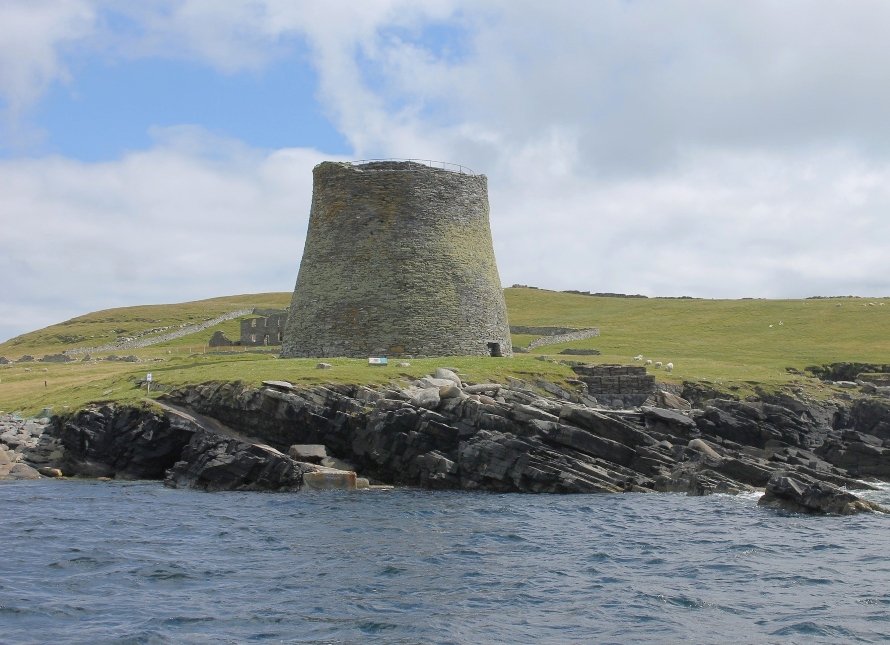
- Clickimin Broch: Just a short walk from Lerwick town center, this ancient Iron Age broch offers a fascinating peek into prehistoric life in Shetland. The broch, a circular stone tower, sits on a small island in a loch, and you can explore its remains while taking in the peaceful surroundings.
- Sands of Sound: If you’re in the mood for a peaceful beach day, head to the Sands of Sound, a beautiful, quiet beach just south of Lerwick. With its golden sands and clear waters, it’s the perfect spot for a relaxing stroll or a picnic with views of the sea.
- Fjara Café Bar: For a laid-back and cozy vibe, check out Fjara Café Bar, located along the shoreline. It’s the perfect spot to grab a coffee or a meal while enjoying views of Bressay Sound and watching boats drift by.
Local Food and Drink:
- Fresh Seafood: It’s no surprise that seafood dominates the local food scene in Lerwick. Head to local restaurants like The Dowry or Hay’s Dock Café Restaurant (inside the Shetland Museum) to savor fresh Shetland mussels, haddock, and scallops. If you’re feeling adventurous, try the Shetland delicacy of reestit mutton (salted, dried lamb), traditionally eaten in soup.
- Shetland Lamb: If you prefer something heartier, Shetland lamb is a must-try. The sheep in Shetland are free-range and graze on the islands’ wild herbs, giving the meat a unique, rich flavor. Look for it on local menus, often served with roasted vegetables.
- Locally Brewed Beer: Shetland has its own small brewery, and you’ll find beers like Shetland Reel on tap in local pubs. Enjoy a pint of locally brewed ale at Captain Flint’s or The Lounge Bar, both popular watering holes with the locals.
Travel Tips and Practical Information:
- Getting There: The easiest way to reach Lerwick is by ferry from mainland Scotland. NorthLink Ferries operates a daily overnight ferry from Aberdeen to Lerwick, which takes about 12-14 hours. Alternatively, you can fly directly to Sumburgh Airport from cities like Edinburgh, Glasgow, or Aberdeen, and take a 40-minute drive to Lerwick.
- Getting Around: Lerwick is a small town, and most attractions are within walking distance. If you’re planning to explore the rest of Shetland, renting a car is recommended to access the more remote parts of the islands.
- When to Visit: The best time to visit Lerwick is during the summer months (June to August) when the weather is milder, and daylight lasts well into the night. However, if you want to experience the Up Helly Aa festival, plan your visit for late January. Just be prepared for cold and windy weather!
- What to Pack: Layers are key when visiting Lerwick, as the weather can change quickly. Bring a waterproof jacket, sturdy walking shoes, and warm clothing, even in the summer. A pair of binoculars is also handy for spotting wildlife!
Nearby Points of Interest & Landmarks:
- Isle of Noss: Just a short boat trip from Lerwick, the Isle of Noss is a haven for wildlife lovers. The island is home to thousands of seabirds, including puffins, guillemots, and gannets. Take a boat tour to see the towering cliffs and spot seals basking on the rocks.
- Jarlshof: Located about an hour’s drive south of Lerwick, Jarlshof is one of Shetland’s most important archaeological sites. This ancient settlement features ruins from the Bronze Age, Iron Age, Norse period, and medieval times, offering an incredible journey through thousands of years of history.
- St. Ninian’s Isle: Famous for its stunning tombolo—a sandy causeway connecting the island to the mainland—St. Ninian’s Isle is a beautiful spot for a coastal walk or a day out. It’s also home to the remains of an ancient chapel where a hoard of treasure was discovered in the 1950s.
Final Thoughts:
Lerwick may be small, but it’s packed with character, history, and stunning natural beauty. Whether you’re exploring ancient ruins, watching seals in the harbor, or enjoying fresh seafood by the sea, this charming town offers a unique and unforgettable glimpse into life in the Shetland Islands. So, slow down, soak in the wild landscapes, and let Lerwick work its magic!