




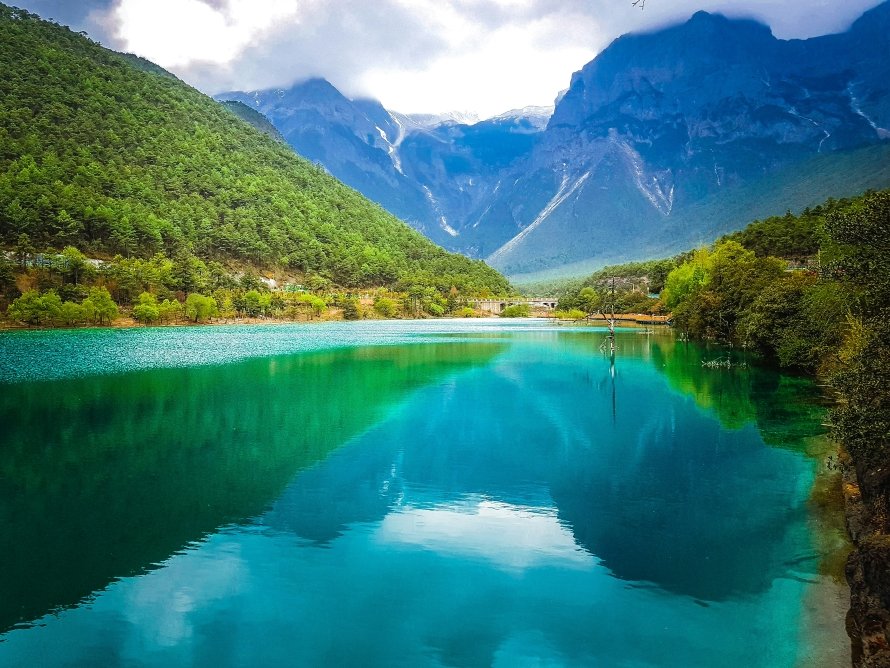
Nestled within the stunning landscapes of Lijiang, China, Blue Moon Valley is a hidden paradise waiting to be explored. Known for its dazzling blue waters, surreal scenery, and breathtaking mountain backdrop, this valley has earned its reputation as a must-see destination. Blue Moon Valley offers visitors a chance to unwind, reconnect with nature, and experience the peaceful side of Chinese landscapes, away from the hustle and bustle of city life. Whether you’re an adventure seeker, a nature enthusiast, or simply someone looking for a beautiful spot to relax, this valley has something special to offer. Let’s dive into everything that makes Blue Moon Valley an unforgettable destination!
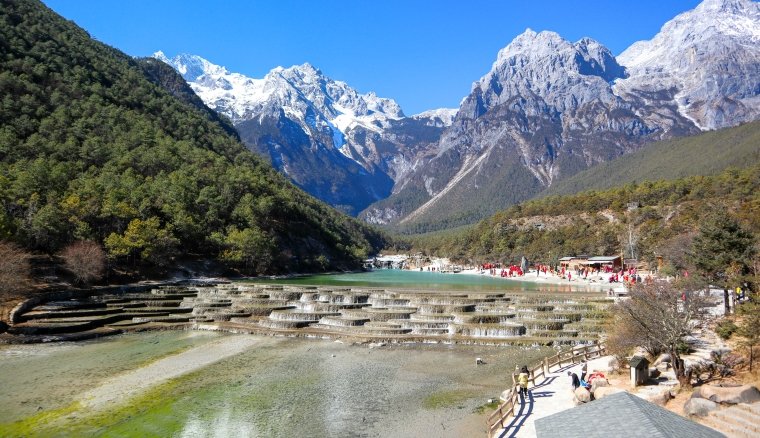
Blue Moon Valley (蓝月谷, Lán Yuè Gǔ) lies at the foot of Jade Dragon Snow Mountain in the picturesque Yunnan province, near the ancient town of Lijiang. Known for its ethereal turquoise-blue lakes and cascading waterfalls, the valley is framed by lush forests, dramatic limestone cliffs, and the snowy peaks of Jade Dragon Snow Mountain. These natural elements create a mesmerizing view, attracting travelers and photographers from around the world. The valley got its name because of the unique crescent-shaped lakes that sparkle under the sun, resembling a “blue moon.”
Traditionally, Blue Moon Valley holds significance for the local Naxi people, an ethnic group native to this area. According to Naxi culture and beliefs, the valley’s waters are sacred, and the snow-capped mountains are believed to be the home of their gods. In recent years, Blue Moon Valley has become more accessible thanks to better infrastructure and guided tour options, making it easier for travelers to explore this pristine location.
The Allure of Blue Moon Valley’s Lakes
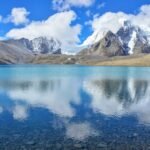
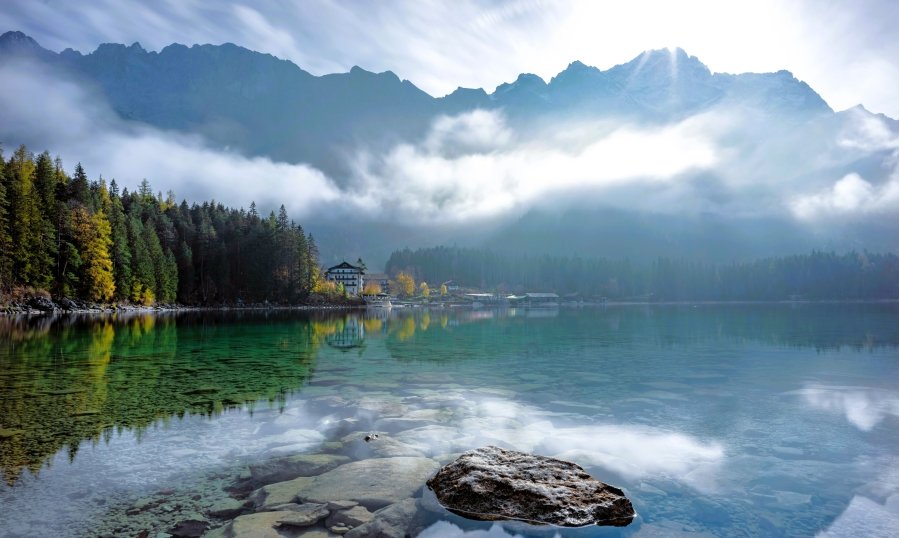
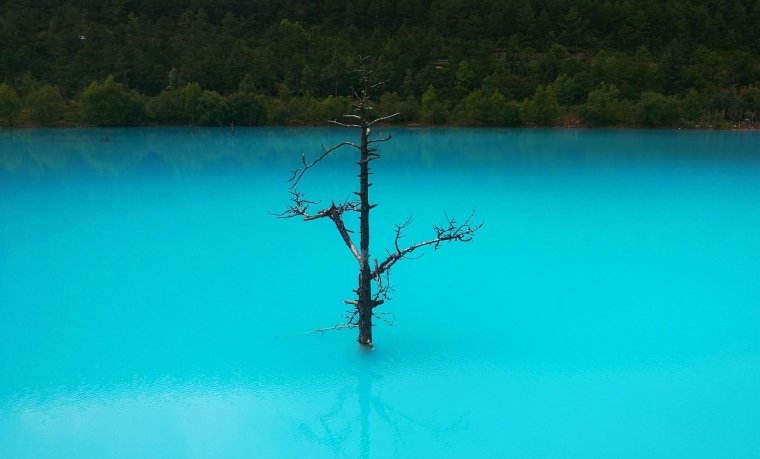
The valley’s most defining feature is its sequence of vivid turquoise lakes—each one a shade of blue so intense, it feels otherworldly. These lakes include the Mirror Lake, Blue Moon Lake, Jade Lake, and Wave Lake. Each of these bodies of water is connected by streams and small waterfalls that give the valley a tranquil, serene soundscape. The lakes are colored by minerals from the mountains, creating different hues based on sunlight, season, and water depth. Watching the mountain peaks reflect in these lakes is truly a magical experience.
Jade Dragon Snow Mountain: A Stunning Backdrop
Overlooking the valley is the majestic Jade Dragon Snow Mountain, one of China’s most revered mountains. It stands at over 5,500 meters and is covered in snow year-round, adding a dramatic contrast to the valley’s green and blue hues. The mountain is accessible by cable car, providing stunning panoramic views of Blue Moon Valley from above. If you’re up for it, the glacier park at the top offers hiking paths where you can see rare plants and take in the crisp mountain air.
Unique Flora and Fauna
The ecosystem around Blue Moon Valley is rich and diverse, hosting several unique plant and animal species native to this region. As you wander around the valley, you’ll notice a mix of alpine and subtropical plants that thrive in the area. Local guides often point out rare wildflowers, especially in spring and summer when the valley is in full bloom. Bird-watchers will be delighted, too, as several migratory birds stop by here throughout the year.
Cultural Touch: The Naxi People and Local Legends
Exploring Blue Moon Valley isn’t complete without learning about the culture of the Naxi people. The Naxi are known for their deep connection to nature and their unique Dongba religion, which emphasizes harmony with the natural world. The valley is woven into their myths and legends, with tales of dragons and mountain spirits blessing the waters. Many locals still perform rituals in the valley, making it a place that’s both scenic and spiritually significant. Be respectful of these traditions, as they add a layer of meaning to this natural wonder.
Main Attractions
- Mirror Lake: A serene lake that perfectly reflects the surrounding mountains on calm days, giving it a “mirror-like” effect.
- Blue Moon Lake: Known for its incredibly vibrant blue color, this lake is a photographer’s dream.
- Wave Lake: Named for its gentle waves, this lake offers a peaceful atmosphere and lovely views.
- Jade Lake: A smaller, emerald-green lake surrounded by rocks and plants, perfect for quiet contemplation.
- Waterfalls and Streams: Connecting the lakes, these natural waterways create a soothing ambiance and stunning photo opportunities.
- Jade Dragon Snow Mountain Cable Car: For a bird’s-eye view of the valley and mountain, hop on the cable car that takes you up the mountain.
Off-the-Beaten-Path Recommendations
While most visitors stick to the main lakes, there are some hidden gems within the valley. Take a short hike to some of the lesser-known trails, where you can explore areas with fewer crowds. There are also secluded spots along the streams where you can sit, enjoy a picnic, and soak in the peaceful surroundings. Try visiting the valley during sunrise or sunset, as the soft lighting enhances the valley’s colors, creating a magical, almost surreal atmosphere. For a more intimate experience, hire a local guide to hear some of the legends associated with the valley.
Travel Tips and Practical Information
- Best Time to Visit: The ideal time to visit Blue Moon Valley is during spring (April to June) and autumn (September to November) when the weather is mild, and the colors of the lakes are most vibrant. Winter can also be a unique experience, with snow adding a mystical feel.
- Getting There: Blue Moon Valley is accessible by bus or taxi from Lijiang Ancient Town, about a 1-hour drive. Many visitors also opt to join guided tours that include transportation and entry fees.
- Entry Fees: An entrance ticket to Jade Dragon Snow Mountain, which includes access to Blue Moon Valley, typically costs around 100-150 RMB.
- What to Pack: Comfortable walking shoes, sunscreen, a camera, and a reusable water bottle. Temperatures can vary, especially near the mountain, so bring layers.
- Respect Local Culture: Avoid entering areas where local rituals are being performed. Always follow local customs, and seek permission before photographing people.
Nearby Points of Interest & Landmarks
- Lijiang Ancient Town: A UNESCO World Heritage site known for its well-preserved ancient architecture, cobblestone streets, and canals. It’s a perfect spot to experience the local culture and shop for handicrafts.
- Shuhe Ancient Town: A quieter, smaller alternative to Lijiang Ancient Town, Shuhe offers a peaceful setting with fewer tourists and a more laid-back vibe.
- Tiger Leaping Gorge: One of the deepest gorges in the world, located about 50 km from Lijiang, this is an adventurous day trip option with challenging hikes and incredible views.
- Baisha Village: Famous for its ancient frescoes and the peaceful atmosphere, Baisha Village is a cultural gem near Lijiang with roots dating back to the Naxi Kingdom.
Final Thoughts
Blue Moon Valley is more than just a beautiful destination—it’s a place where nature and culture come together to create a serene experience that feels almost otherworldly. Whether you’re here to admire the stunning turquoise lakes, learn about the traditions of the Naxi people, or simply relax in one of China’s most tranquil valleys, Blue Moon Valley won’t disappoint. With its surreal beauty and cultural depth, this is a spot that deserves a place on every traveler’s bucket list. So pack your bags, bring a spirit of adventure, and prepare to be enchanted by the charm of Blue Moon Valley!