




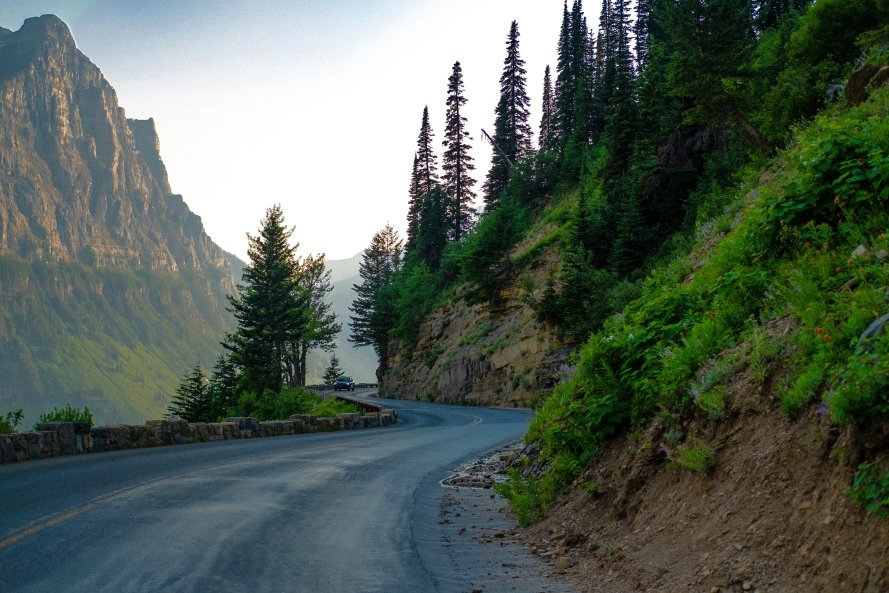
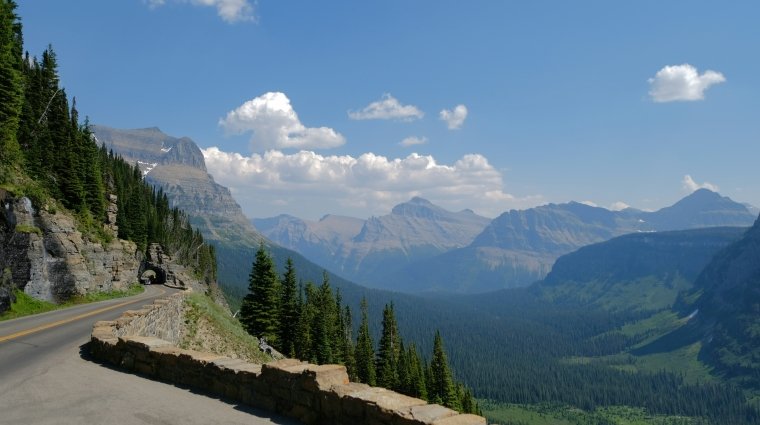
If you’re up for jaw-dropping views, winding mountain roads, and feeling like you’re on top of the world, Going-to-the-Sun Road in Glacier National Park, Montana, should be at the top of your travel bucket list. Known as one of the most scenic drives in the U.S., this 50-mile stretch takes you through the heart of the park, offering sweeping views of glaciers, valleys, waterfalls, and towering peaks. Whether you’re a seasoned adventurer or someone who just loves a good road trip, this road promises a unique experience that you won’t soon forget. Buckle up, and let’s explore this unforgettable journey!
Going-to-the-Sun Road is more than just a way to get from point A to point B—it’s an engineering marvel and a symbol of Glacier National Park’s rugged beauty. Completed in 1932, the road was specifically designed to complement the landscape, not overpower it. It winds through the mountains, giving visitors access to the park’s most stunning vistas without disturbing the natural beauty. At its highest point, Logan Pass, the road climbs 6,646 feet, allowing travelers to get up close and personal with the park’s alpine splendor.
The road is typically open from late June to mid-October, depending on snow conditions. Due to its narrow lanes and sharp curves, vehicles longer than 21 feet or wider than 8 feet are prohibited, making it a bit of a white-knuckle drive in some spots. But for those brave enough to venture along its cliffs and tight turns, the rewards are unparalleled. Along the way, you’ll encounter various ecosystems, from dense forests at the lower elevations to alpine tundra higher up.
Main Attractions Along Going-to-the-Sun Road
- Logan Pass : The highest point on the road, Logan Pass offers unbeatable views and easy access to some of the park’s best hiking trails, including the Hidden Lake and Highline trails. It’s also a great place to spot wildlife like mountain goats and bighorn sheep. Parking can be tricky, especially mid-day, so plan accordingly!
- Weeping Wall : This roadside waterfall cascades down the rock face, often splashing onto cars as they pass by. During the spring and early summer, the flow is at its peak, and it’s an Instagram-worthy stop that feels like you’re driving through a natural car wash!
- Bird Woman Falls : A must-see from various viewpoints along the road, this 492-foot waterfall can be seen cascading down Mount Oberlin. It’s especially striking after a rainstorm or during the snowmelt.
- Jackson Glacier Overlook : One of the last remaining glaciers visible from the road, Jackson Glacier is slowly shrinking but still a breathtaking sight. It’s a sobering reminder of the park’s changing landscape and a perfect spot to reflect on the delicate balance of nature.
- The Loop : This sharp switchback offers a dramatic view of Heavens Peak. It’s a prime spot to pull over, stretch your legs, and marvel at how far you’ve climbed already.
Off-the-Beaten-Path Recommendations
While most visitors stick to the main highlights, Going-to-the-Sun Road has plenty of hidden gems for those looking to escape the crowds:
- Trail of the Cedars : Located near the West Entrance, this wheelchair-accessible trail takes you through an ancient forest of towering cedar trees. It’s a peaceful spot to enjoy some quiet time before hitting the more crowded sections of the road.
- Sunrift Gorge : A quick stop but totally worth it, Sunrift Gorge is a narrow chasm cut by flowing water. It’s an excellent place to get off the road and do some light exploring along the creek.
- Siyeh Bend : If you’re up for a challenge, the Siyeh Bend trailhead offers access to some of the park’s lesser-known backcountry areas. The trail leads to Siyeh Pass, where you’ll be treated to panoramic views and a good chance of spotting wildlife away from the main tourist routes.
Travel Tips and Practical Information
- Timing Is Everything : Plan to start your drive early in the morning or late in the afternoon to avoid the crowds. The road can get packed, especially in the summer, and parking spots fill up fast, particularly at Logan Pass.
- Be Prepared for Weather : The weather in Glacier National Park can be unpredictable, especially at higher elevations. Even in summer, it can get chilly, so pack layers. Always check the road status before you go, as snowstorms can cause closures even in late June.
- Fuel Up : There are no gas stations on Going-to-the-Sun Road, so make sure you fill up your tank before entering the park. Trust me—you don’t want to run out of gas halfway up the mountain!
- Take Your Time : With all the pullouts and photo ops, it’s easy to get caught up in the beauty around you. Take advantage of these stops! The road isn’t just a means to an end; it’s a destination in itself.
Nearby Points of Interest & Landmarks
- Lake McDonald : This serene, crystal-clear lake is located near the park’s west entrance and is the largest lake in Glacier. Kayaking, paddleboarding, and just lounging on the shore are popular activities.
- St. Mary Lake : On the eastern side of the park, this is the second-largest lake in Glacier and arguably one of the most picturesque. It’s also a great spot for sunrise photos, with Wild Goose Island providing a perfect focal point.
- Many Glacier : Located about 30 minutes from the eastern end of Going-to-the-Sun Road, Many Glacier is often called the “Heart of the Park.” It’s a hiker’s paradise, with trails leading to alpine lakes, glaciers, and wildlife-rich areas.
Final Thoughts
Going-to-the-Sun Road isn’t just a drive—it’s an adventure, an escape, and a front-row seat to nature’s grandeur. Whether you’re snapping photos at every turn or just soaking in the serenity, this is one journey you’ll remember for years to come. Glacier National Park is a place where every twist of the road reveals something new, and Going-to-the-Sun Road offers the perfect introduction to this wilderness wonderland. So go ahead, grab your camera, pack your bags, and get ready to drive through heaven on Earth!
[put_wpgm id=90]