




Situated in the East Java, Indonesia, Kawah Ijen is a volcano that’s as mysterious as it is mesmerizing. What sets this destination apart isn’t just its dramatic views or challenging hikes but the surreal phenomenon of blue flames that dance in the night. Add to that a vivid turquoise crater lake and the remarkable sulfur mining activities, and you have a destination that promises an adventure like no other. If you’re up for a trek into one of nature’s most extraordinary wonders, Kawah Ijen should be on your bucket list.
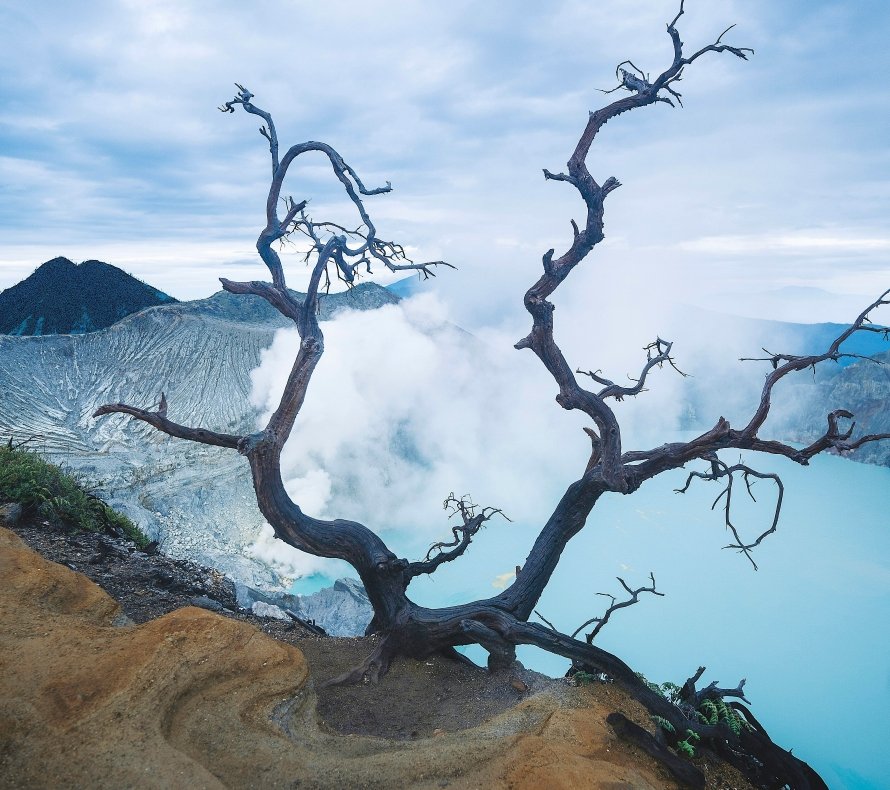
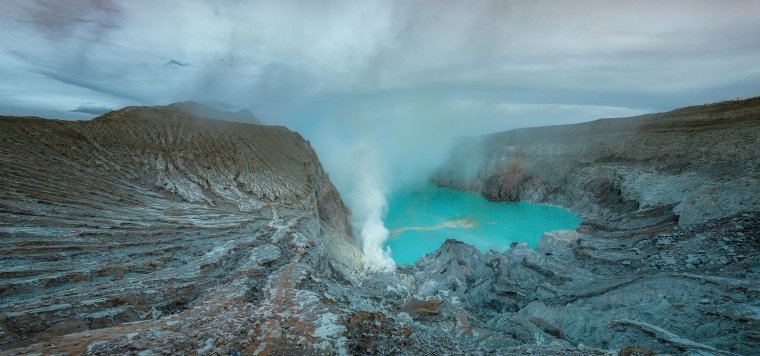
Kawah Ijen, standing at 2,799 meters above sea level, is part of the Ijen volcano complex located in East Java. This stratovolcano is famed for its crater lake—a striking shade of turquoise due to its high sulfur content. It holds the title of the world’s largest acidic lake, with a pH of almost 0, making it both fascinating and dangerous.
The volcano’s sulfur mining activity dates back to the Dutch colonial era, and miners still harvest sulfur manually today. Armed with little more than basic tools and masks, these miners brave hazardous conditions to extract chunks of bright yellow sulfur, carrying loads of up to 70 kilograms on their backs. This age-old practice provides a humbling glimpse into the coexistence of human resilience and nature’s harshness.
Beyond its geological and cultural significance, Kawah Ijen has gained international fame for its otherworldly “blue flames,” a rare phenomenon caused by ignited sulfuric gases. The site attracts adventurers and photographers from around the globe who are eager to witness this nighttime spectacle.
The Main Attraction: Blue Flames and the Acidic Lake
The first thing that likely drew you to Kawah Ijen is its blue flames—a natural wonder that’s as rare as it is captivating. These flames are not lava but rather the result of sulfuric gases combusting upon contact with oxygen. Visible only in the dark, the flames create an ethereal glow that turns the rugged crater into a dreamlike setting.
To witness the blue flames, visitors must start their hike well before dawn. The journey to the crater rim is moderately challenging and takes about 1.5 to 2 hours. From there, you descend into the crater itself to get up close to this phenomenon. The experience is both thrilling and surreal, offering plenty of opportunities for jaw-dropping photographs.
As the sun rises, the crater reveals its other breathtaking feature: the turquoise acidic lake. Its vivid color contrasts dramatically with the surrounding rugged terrain. However, be warned—the lake’s waters are highly corrosive due to their sulfuric and hydrochloric acid content, so swimming is obviously off-limits. Still, its beauty is unparalleled, and the reflections of the sky at dawn make for a truly unforgettable sight.
Interesting Facts and Key Points
- World’s Largest Acidic Lake: Kawah Ijen’s crater lake spans an area of about 1 square kilometer and has a depth of over 200 meters.
- Rare Blue Flames: The phenomenon is only visible in a handful of places worldwide, with Kawah Ijen being the most accessible.
- Sulfur Mining: Miners use traditional methods to extract sulfur, earning only a modest income despite the hazardous conditions.
- Volcanic Gases: The fumes at Kawah Ijen are not to be taken lightly. Gas masks are essential, as the sulfuric fumes can cause severe respiratory issues.
- Dual Ecosystem: The area surrounding the volcano boasts a rich diversity of flora and fauna, contrasting sharply with the harsh conditions of the crater itself.
Travel Tips and Practical Information
If you’re planning a trip to Kawah Ijen, here’s what you need to know:
- Best Time to Visit: The dry season (May to October) is ideal for clear views and safer trekking conditions. Night hikes are a must for seeing the blue flames.
- How to Get There: The nearest town is Banyuwangi, which is accessible by train, bus, or ferry from Bali. From there, hire a guide or join a tour for the hike.
- What to Bring: Essential items include sturdy hiking boots, warm clothing for the chilly night, a flashlight or headlamp, and a gas mask (provided by most tours).
- Physical Fitness: The hike requires a moderate level of fitness. Take breaks as needed and stay hydrated.
- Respect the Miners: While photography is allowed, be mindful and respectful of the miners’ arduous work.
Nearby Points of Interest and Landmarks
Kawah Ijen’s surrounding region offers plenty of attractions to round out your trip:
- Baluran National Park: Known as the “Africa of Java,” this park features savanna landscapes and diverse wildlife.
- Banyuwangi Beaches: Enjoy pristine beaches like Pulau Merah (Red Island) and Plengkung Beach, famous for surfing.
- Mount Bromo: Another iconic volcano, often combined with Kawah Ijen for an epic volcanic adventure.
- Sukamade Turtle Beach: Witness sea turtles nesting and hatching in this conservation area.
- Bali: Just a short ferry ride away, Bali’s cultural and natural attractions make it an excellent post-volcano retreat.
Recap
Kawah Ijen is a destination that defies expectations. From its stunning blue flames and surreal crater lake to its rich cultural backdrop of sulfur mining, the volcano offers an adventure that’s as enlightening as it is exciting. Pair it with nearby attractions, and you have the makings of a once-in-a-lifetime journey. So, are you ready to tackle the fiery heart of Java? Kawah Ijen is calling!