




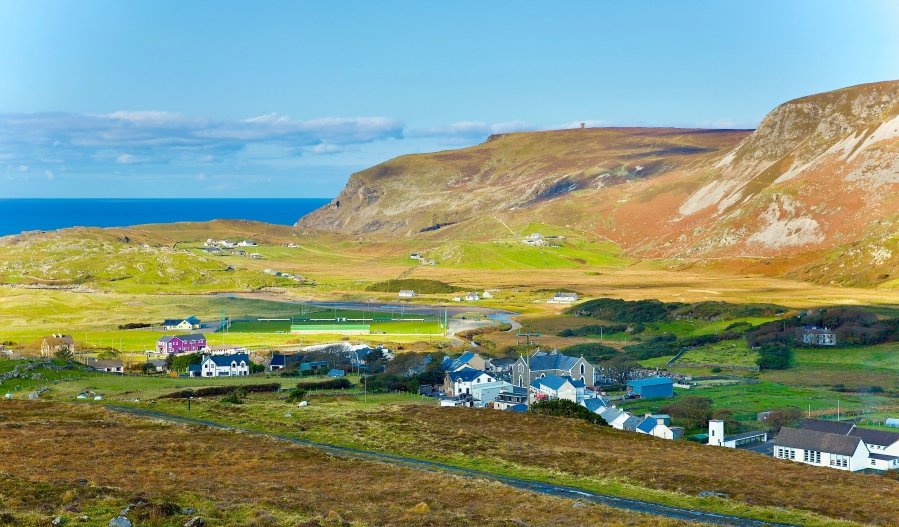
Located far southwest of County Donegal, Ireland, lies Glencolmcille—one of the country’s best-kept secrets. This small, picturesque village offers visitors a glimpse into traditional Irish life, set against the dramatic backdrop of rugged cliffs, rolling green hills, and windswept beaches. Whether you’re an avid hiker, a history lover, or just seeking some peace and quiet, Glencolmcille has something for everyone. From ancient standing stones to local pubs serving up hearty meals, this hidden gem is waiting to be discovered.
Glencolmcille, or Gleann Cholm Cille in Irish, is named after St. Columba (Colm Cille), who is said to have founded a monastery here in the 6th century. The area is steeped in history, with evidence of human habitation going back thousands of years. It’s part of the Gaeltacht, meaning Irish is still widely spoken here, giving the village a unique cultural atmosphere.
The landscape is what truly sets Glencolmcille apart. With its mix of sea cliffs, peat bogs, and meadows, the village is a haven for hikers and nature enthusiasts. But it’s not just about the outdoors—Glencolmcille is also home to a rich cultural heritage, including ancient archaeological sites, traditional Irish music, and local crafts. If you’re looking to escape the hustle and bustle of modern life, this tranquil corner of Donegal is the perfect place to unwind.
Main Attractions:
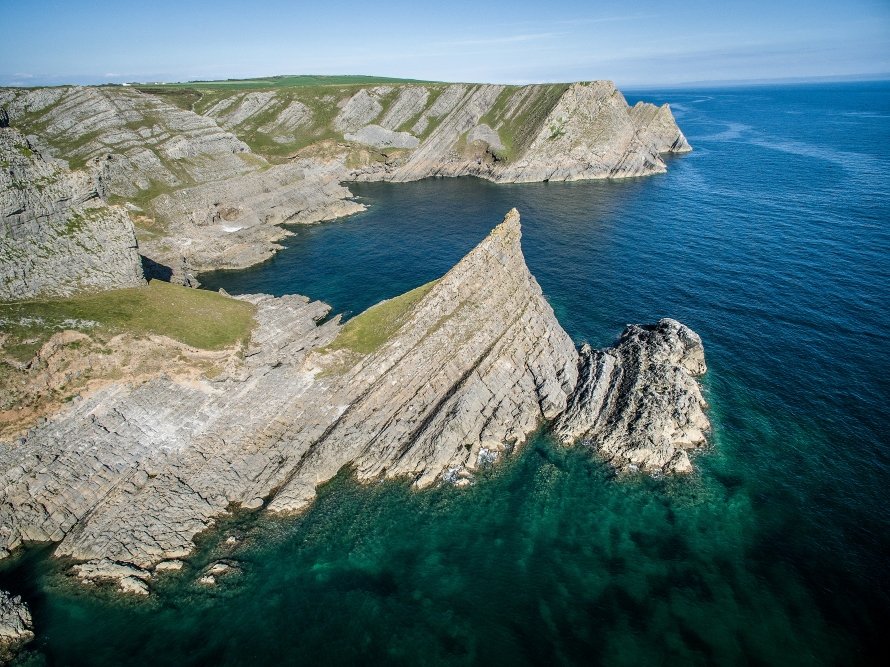
- Slieve League Cliffs: While not exactly in Glencolmcille, a short drive will take you to the Slieve League Cliffs, some of the highest sea cliffs in Europe. Towering over the Atlantic, these cliffs offer stunning panoramic views that will take your breath away. There are several hiking routes for different fitness levels, so you can choose how adventurous you want to be.
- The Folk Village Museum: For a peek into life in 18th and 19th-century rural Ireland, visit the Glencolmcille Folk Village Museum. The recreated thatched cottages offer a fascinating look at how locals lived, worked, and survived in the harsh Donegal environment. Each cottage is filled with period furnishings, tools, and household items, giving you a hands-on history lesson.
- The Turas: This ancient pilgrimage route is a must-do if you’re interested in Ireland’s spiritual history. The walk takes you through 15 stations, each marked by a standing stone or cross, and it’s said to have been walked by St. Columba himself. The Turas offers not just a spiritual experience but also breathtaking views of the surrounding landscape.
Off-the-Beaten-Path Recommendations:
- Glen Head Walk: If you want to escape the tourist spots, head for the Glen Head cliffs. It’s a bit of a hidden gem, offering dramatic coastal views without the crowds. The hike up to the headland is moderately challenging but well worth the effort, especially if you’re lucky enough to catch a sunset.
- Malinbeg Beach: Not far from Glencolmcille, this secluded beach is a great place for a quiet stroll or a picnic. It’s far less known than Donegal’s more popular beaches, making it perfect for a peaceful escape. The white sand and turquoise water will make you feel like you’ve stumbled upon a secret paradise.
- The Signal Tower: Tucked away on the cliffs overlooking the Atlantic, the Napoleonic-era signal tower offers panoramic views of the coastline. You might need to ask locals for directions, but that’s all part of the adventure. Bring your camera—this spot is incredibly photogenic.
Local Food and Drink:
- The Glen Head Tavern: After a day of exploring, unwind with a pint of Guinness and some traditional Irish music at the Glen Head Tavern. It’s a cozy spot where locals and travelers alike gather, and if you’re lucky, you might catch an impromptu trad music session.
- Local Seafood: Don’t leave without trying some fresh Donegal seafood. Local restaurants serve up everything from fish and chips to more refined dishes like crab claws or seafood chowder, all made with ingredients sourced from the nearby waters.
- Home-Baked Goods: Many of the local cafés and B&Bs offer delicious home-baked breads and scones, served with butter and homemade jam. These treats are perfect for fueling up before or after a long hike.
Travel Tips and Practical Information:
- Best Time to Visit: Summer (June–August) is ideal for hiking and outdoor activities, with long daylight hours and (relatively) mild weather. However, visiting in the shoulder seasons (spring or fall) will give you quieter, more peaceful experiences.
- Getting Around: Glencolmcille is remote, so it’s best to rent a car if you want to explore the surrounding areas. Public transport options are limited.
- Where to Stay: There are several cozy B&Bs, guesthouses, and even self-catering cottages in and around Glencolmcille. Staying with a local family offers an authentic taste of Irish hospitality.
- Language: While Irish is spoken, everyone also speaks English, so no need to worry about communication.
- Pack for All Seasons: The weather in Donegal can be unpredictable, so it’s best to bring layers, waterproofs, and sturdy hiking boots.
Nearby Points of Interest & Landmarks:
- Slieve League Cliffs: As mentioned earlier, these iconic cliffs are a short drive away and should be high on your must-visit list.
- Kilcar Village: A charming village known for its traditional handwoven tweed, Kilcar is just a short drive from Glencolmcille and makes for a great stop on your way to the Slieve League Cliffs.
- Maghera Beach and Caves: About 30 minutes away, Maghera Beach is another hidden gem with stunning caves and sand dunes. It’s a great spot for a peaceful walk or some exploration.
- Ardara: This nearby town is known for its festivals and traditional crafts, particularly hand-knitted wool products. It’s a good place to pick up some authentic Irish souvenirs.
Final Thoughts:
Glencolmcille is the perfect destination for those looking to experience Ireland’s natural beauty and cultural heritage without the crowds. Whether you’re hiking along coastal cliffs, learning about the area’s history, or simply enjoying a quiet pint in a local pub, Glencolmcille offers a truly authentic Irish experience. With its rugged landscapes, rich history, and warm, welcoming locals, it’s a place you won’t soon forget. So, pack your bags and discover the magic of this hidden gem in County Donegal!