




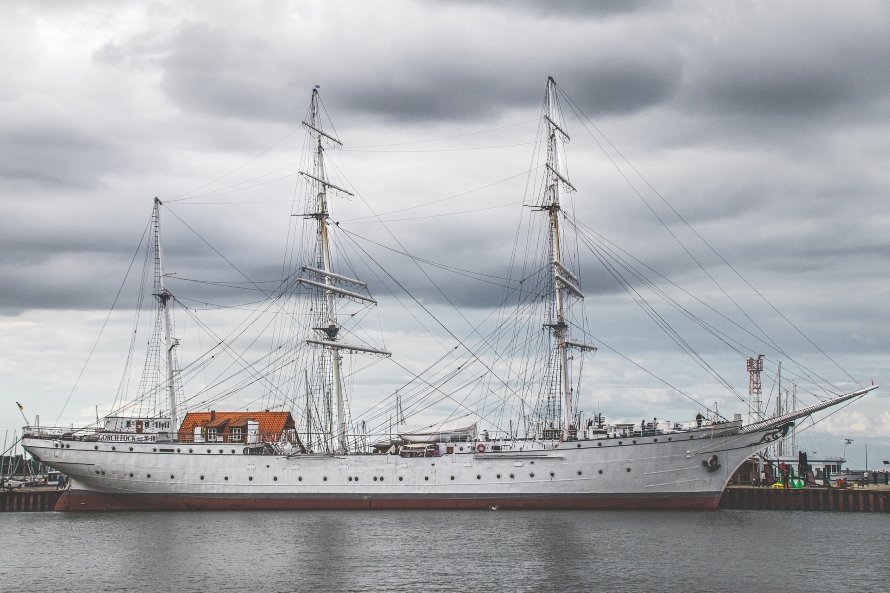
The Gorch Fock is more than just a ship; it’s a living, breathing symbol of Germany’s maritime history. This three-masted barque, launched in 1958, is the second German training ship to bear the name Gorch Fock after the first, which was built in the 1930s. Over the decades, the Gorch Fock has served as a bridge between tradition and modernity, providing a unique platform for training future generations of naval officers. Let’s dive into the fascinating journey of this iconic ship, from its design to its legacy on the seas.
- The Gorch Fock Story: A Symbol of Resilience and Rebirth
- Design and Development: Built for Resilience and Elegance
- Specifications at a Glance
- Life Onboard: The Crew and Their Experience
- Expeditions: From Training to International Showcases
- Legacy: An Icon of Maritime Heritage
- Conclusion: The Spirit of the Gorch Fock Lives On
The Gorch Fock Story: A Symbol of Resilience and Rebirth
The original Gorch Fock, built in 1933, was named after the German writer Johann Kinau, who wrote under the pen name Gorch Fock. Kinau was a sailor who lost his life in World War I, and his pseudonym lives on as a symbol of maritime spirit and courage. The first Gorch Fock was built as a training ship for the German Navy, but it had a dramatic fate—scuttled in 1945 to prevent capture by the Allies, only to be raised and used by the Soviet Navy as the Tovarisch.
In 1958, Germany decided to revive the Gorch Fock name and legacy by commissioning a new training vessel. The ship was launched on December 17, 1958, from the Blohm+Voss shipyard in Hamburg. This new Gorch Fock (often referred to as Gorch Fock II to distinguish it) was constructed with the same intent: to train and mold naval cadets with the skills, discipline, and camaraderie needed to succeed at sea. Since then, she has served as a proud ambassador for the German Navy, taking part in countless expeditions, port visits, and even international sailing events.
Design and Development: Built for Resilience and Elegance
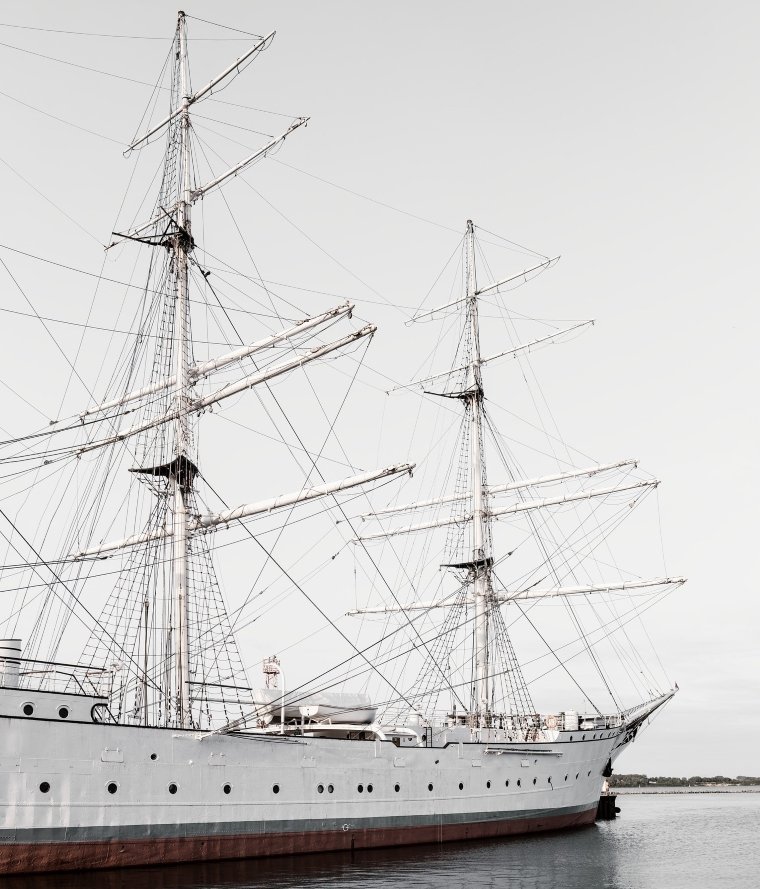
The Gorch Fock was designed with a clear purpose in mind—to provide rigorous training while offering a taste of classic sailing. Measuring 81.2 meters (266 feet) in length, she’s no small ship. Her design is a testament to both form and function, combining traditional elements with modern features that ensure both safety and a strong educational environment.
Key design aspects:
- Three-Masted Barque: With three towering masts, the ship’s classic rigging can carry over 2,000 square meters of sail area. This allows the crew to learn the true art of sailing, demanding hands-on skills and teamwork.
- Steel Hull: Unlike traditional wooden ships, the Gorch Fock features a steel hull, which provides enhanced durability and resilience against the often harsh sea conditions.
- Advanced Navigation Equipment: Despite her traditional appearance, the Gorch Fock is equipped with advanced navigation and safety equipment, ensuring a high level of operational reliability and safety for the crew.
Specifications at a Glance
If you’re a ship enthusiast, the Gorch Fock’s specs are sure to impress:
- Length: 81.2 meters (266 feet)
- Beam: 12 meters (39 feet)
- Draft: 5.3 meters (17 feet)
- Displacement: 1,760 tons
- Sail Area: 2,037 square meters (21,926 square feet)
- Speed: 13.7 knots under sail, 10.5 knots under power
- Crew Capacity: Up to 200, including officers, cadets, and regular crew
These specs give the ship the ability to train cadets in nearly all conditions, from calm coastal waters to challenging open seas. Whether under sail or engine power, the Gorch Fock is an impressive sight and an ideal classroom for aspiring naval officers.
Life Onboard: The Crew and Their Experience
The Gorch Fock isn’t just a ship; it’s a school and home to hundreds of cadets and crew members. Life on board is rigorous, with the crew following a strict schedule to manage everything from deck duties to navigation and training exercises. Each cadet has specific responsibilities, from handling sails to maintaining the ship’s machinery. This hands-on approach builds practical skills, physical endurance, and teamwork—qualities essential for a naval career.
Cadets aboard the Gorch Fock often speak about the sense of unity and mutual support fostered through long hours and tough tasks. Each member learns to appreciate the value of discipline and cooperation, particularly under challenging conditions like rough weather or high winds. For many, the time aboard the Gorch Fock is a formative experience that remains with them throughout their lives, often referred to as the backbone of their naval training.
Expeditions: From Training to International Showcases
The Gorch Fock has sailed over 800,000 nautical miles since her launch, covering everything from local training missions to international goodwill tours. These journeys allow cadets to test their skills in diverse conditions while giving the ship a chance to act as an ambassador for Germany.
Noteworthy Expeditions
- Around-the-World Voyages: The Gorch Fock has undertaken multiple circumnavigations, allowing cadets to experience a wide range of sailing conditions and gain global cultural exposure.
- Operation Sail Events: The ship has participated in international sailing events like Operation Sail, which gathers some of the world’s most iconic tall ships to celebrate maritime heritage.
- Crossing the Atlantic: The Gorch Fock has completed numerous Atlantic crossings, a tradition in naval training that challenges cadets to manage long-haul journeys under various sea and weather conditions.
Each expedition has played a crucial role in enhancing the skills and resilience of her cadets while fostering positive international relations for Germany.
Legacy: An Icon of Maritime Heritage
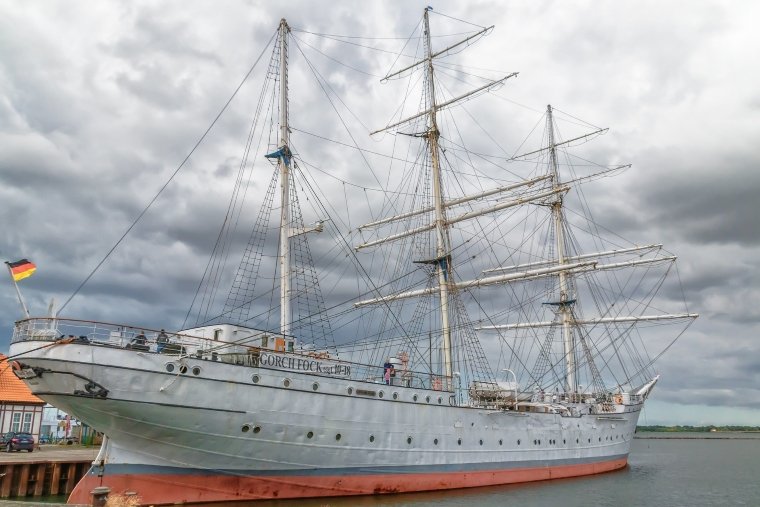
The Gorch Fock has become a true icon over the years, earning a revered place in both Germany’s naval history and the hearts of the thousands who have served aboard her. In addition to training countless naval cadets, she has been a symbol of resilience and unity. Despite challenges—including extensive refurbishments to keep her seaworthy—the Gorch Fock has always returned to the waves, demonstrating the enduring appeal and importance of traditional sailing.
Moreover, the ship’s legacy extends to her role in the preservation of sailing knowledge. As fewer naval cadets get hands-on experience with traditional sail training, ships like the Gorch Fock become even more significant. They keep the art of sailing alive while reminding us of the dedication and teamwork needed to navigate the open seas. In many ways, the Gorch Fock is a bridge between past and future—a legacy of both practical skills and timeless values.
Conclusion: The Spirit of the Gorch Fock Lives On
The Gorch Fock is more than just a training vessel; she’s a symbol of courage, resilience, and dedication. She’s weathered rough seas, international events, and major refurbishments but continues to be a floating classroom for Germany’s next generation of naval officers. With every nautical mile, the Gorch Fock carries forward the legacy of those who have served aboard, teaching future officers the importance of discipline, teamwork, and respect for the sea.
Whether you’re a sailing enthusiast or just curious about maritime history, the Gorch Fock is a ship worth admiring. She embodies the spirit of adventure, the thrill of the open sea, and the values that make for outstanding sailors. As long as she sails, the legacy of the Gorch Fock will endure, inspiring new generations to take to the seas with the same bravery and camaraderie that have defined this magnificent ship since her launch in 1958.