




Imagine a place where ancient stone terraces cling to impossibly steep hillsides, where the air is thin but the history is thick, and where you can literally walk in the footsteps of the Incas. Welcome to Pisac, folks! Nestled in Peru’s Sacred Valley, this archaeological wonderland is like Machu Picchu’s quirky cousin – less famous, but just as fascinating. With its mind-boggling agricultural terraces, mysterious temples, and panoramic views that’ll make your Instagram followers weep with envy, Pisac is the ultimate Incan adventure you never knew you needed.
Back in the day (we’re talking 15th century here), Pisac was the Incas’ idea of a perfect weekend getaway spot. This strategic settlement controlled the entrance to the Sacred Valley and served as a vital link between the Incan capital of Cusco and the jungle. But Pisac wasn’t just about location, location, location – it was a masterpiece of Incan urban planning and engineering.
The site is divided into four main areas: Pisaqa, Intihuatana, Q’allaqasa, and Kinchiracay. Each sector had its own purpose, from religious ceremonies to agriculture and defense. The agricultural terraces, which look like a giant’s staircase carved into the mountainside, showcase the Incas’ genius for making the most of steep terrain.
When the Spanish conquistadors crashed the party in the 1530s, Pisac, like many Incan sites, was abandoned. It lay hidden and forgotten until the 20th century when archaeologists rediscovered this Andean gem. Today, Pisac stands as a testament to Incan ingenuity and a reminder of a civilization that shaped an empire without the wheel or written language. Beat that, modern technology!
Main Attractions:
- Agricultural Terraces: These aren’t your average veggie patches. Pisac’s terraces are an engineering marvel that’ll make you rethink everything you know about gardening. Stretching for kilometers, these stepped platforms provided different microclimates for crop cultivation. It’s like the Incas invented vertical farming before it was cool.
- Intihuatana (The Hitching Post of the Sun): No, it’s not a cosmic parking meter. This ritual stone was likely used for astronomical observations and to track the agricultural calendar. It’s basically the Incan version of a really fancy sundial.
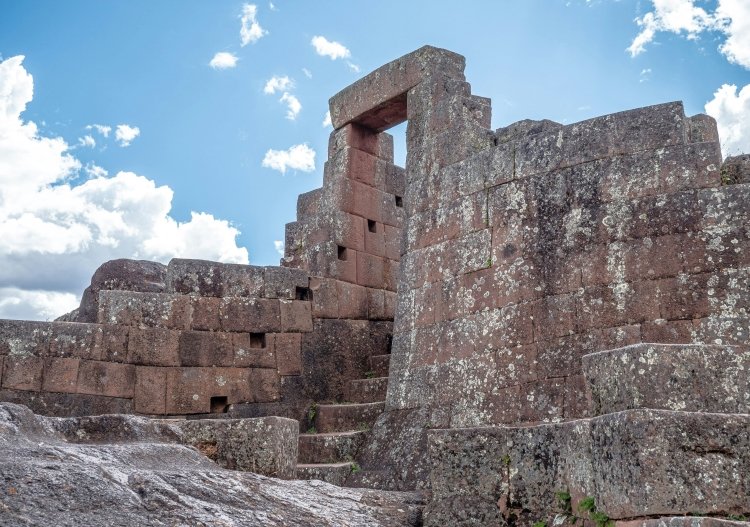
- Temple of the Sun: Perched atop the hill, this semi-circular temple offers panoramic views that’ll make you feel like an Incan god. The precise stonework here is so tight you couldn’t slip a credit card between the blocks – talk about quality craftsmanship!
- Q’allaqasa (Fortress): This defensive structure proves the Incas were masters of the “work smarter, not harder” philosophy. Built into the natural rock formations, it offered protection while saving on construction costs. Ancient budget-conscious engineering at its finest!
- Inca Trail Network: The ruins are crisscrossed with original Inca trails. Walking these ancient paths is like stepping into a time machine, minus the flux capacitor and crazy scientist hair.
Off-the-Beaten-Path Recommendations:
- The Secret Cave: Near the military sector, there’s a little-known cave with some interesting carvings. It’s like finding Easter eggs in a video game, but way cooler because it’s real life.
- Pisac’s “Parthenon”: This lesser-visited structure features some of the site’s best-preserved original plasterwork. It’s not actually called the Parthenon, but doesn’t that sound fancier than “Building with Old Plaster”?
- The Hidden Springs: If you’re up for a bit of Indiana Jones-style exploration, seek out the ancient springs that still function today. Just don’t expect to find the Holy Grail – that’s in a different movie.
- Sunset at the Watchtower: Most tourists clear out by late afternoon, but if you stick around, you can catch a sunset from one of the watchtowers that’ll make you believe in magic. Or at least in really good photography lighting.
Travel Tips and Practical Information
- Getting There: Pisac is about 33 km northeast of Cusco. You can take a colectivo (shared taxi) from Cusco for a cheap and cheerful ride, or opt for a private taxi if you’re feeling fancy.
- Best Time to Visit: April to October is the dry season and ideal for exploring. Unless you’re into mud-sliding (no judgment), avoid the rainy season from November to March.
- Altitude Alert: At about 3,000 meters above sea level, Pisac is no joke when it comes to altitude. Take it slow, stay hydrated, and maybe lay off the pisco sours for a day or two.
- Entry Fees: As of 2023, you’ll need to purchase the Boleto Turístico del Cusco (Cusco Tourist Ticket) to enter. It’s around 130 soles (about $35 USD) and covers several sites in the region.
- Guided Tours vs. Solo Exploration: While you can explore on your own, a good guide can bring the ruins to life with stories and historical context. Plus, they might know where that secret cave is.
Nearby Points of Interest & Landmarks
- Pisac Market: Down in the modern town of Pisac, this colorful market is the perfect place to test your haggling skills and pick up some alpaca sweaters you’ll probably never wear back home.
- Ollantaytambo: Another impressive Incan site about an hour away. It’s like Pisac’s beefier brother, with massive stone terraces and a fortress.
- Moray: This site features bizarre circular terraces that some say were an agricultural laboratory. Others say it’s an alien landing site. You decide!
- Salinas de Maras: These salt pans have been in use since pre-Incan times and look like a giant’s tiled bathroom floor. It’s salty, it’s scenic, it’s surreal.
Final Thoughts
Pisac is like that indie band you discovered before they hit the big time – it’s not as overrun as Machu Picchu, but it’s every bit as impressive. As you stand atop the ruins, gazing out over the patchwork of terraces and the winding Urubamba River below, you can’t help but feel a connection to the incredible civilization that once called this place home.
Whether you’re a history buff, an adventure seeker, or just someone who appreciates a good view (and who doesn’t?), Pisac delivers on all fronts. It’s a place that reminds us of the ingenuity of our ancestors and the raw beauty of the Andean landscape.
So lace up your hiking boots, pack some coca leaves for the altitude, and get ready to explore one of Peru’s most underrated treasures. Just don’t be surprised if you find yourself planning your next visit before you’ve even left. After all, once you’ve been touched by the magic of Pisac, regular life just seems a little… flat in comparison. Happy exploring, and may the Incan spirits guide your way!