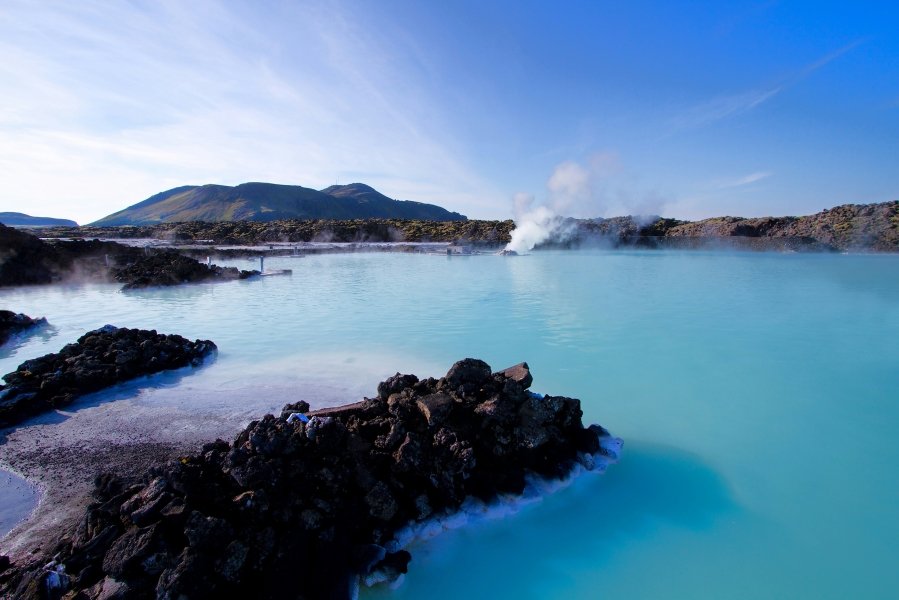





Located in southwestern Turkey, Pamukkale is a breathtaking natural wonder that has captivated travelers for centuries. Known for its cascading white terraces filled with mineral-rich thermal waters, Pamukkale (which means “Cotton Castle” in Turkish) is a unique blend of nature’s beauty and ancient history. Its surreal landscape, created by calcium deposits from hot springs, looks like something out of a dream. But Pamukkale is more than just a pretty sight; it’s also been revered for its healing waters since ancient times. Whether you’re seeking relaxation, history, or a stunning photo op, Pamukkale should definitely be on your Turkey itinerary.
Pamukkale’s iconic white terraces were formed over thousands of years by calcium-rich thermal springs that flow down the hillside. As the water cools, the calcium carbonate hardens, creating the stunning white travertine pools we see today. This phenomenon has been happening since ancient times, making Pamukkale not only a natural wonder but also a place steeped in history.
The ancient city of Hierapolis was built just above Pamukkale’s terraces in the 2nd century BC, and the ruins of this ancient Greco-Roman city still remain. Hierapolis was a thriving spa town, where people traveled from far and wide to soak in the mineral-rich waters, believed to have healing properties. Today, Pamukkale and Hierapolis together are recognized as a UNESCO World Heritage Site, blending natural beauty with the fascinating history of the ancient world.
Main Attraction:
Pamukkale’s travertine terraces are the main draw for visitors, and it’s easy to see why. The terraces are made up of shallow, naturally-formed pools that cascade down the hillside, creating a stepped effect. The contrast of the stark white calcium deposits against the bright blue of the water makes for a stunning sight. Visitors are allowed to walk barefoot on certain sections of the terraces, wading through the warm, mineral-rich waters. It’s an incredibly relaxing and surreal experience, with the added bonus of panoramic views over the surrounding valley.
In addition to walking the terraces, don’t miss Cleopatra’s Pool, a man-made thermal pool filled with submerged ancient columns from Hierapolis. Legend has it that Cleopatra herself swam here, and today, visitors can soak in the warm, mineral-rich waters surrounded by pieces of ancient history.
Off-the-Beaten-Path Recommendations:
While the main terraces attract most of the crowds, there are quieter spots to explore in and around Pamukkale:
- The Hidden Travertines: Venture beyond the main tourist area to discover smaller, less crowded sections of travertines. These hidden pools offer a more intimate and peaceful experience.
- The South Gate of Hierapolis: Many visitors miss this entrance to the ancient city, which offers a more serene way to access the ruins. It’s a great spot for history buffs who want to explore without the crowds.
- Hike to the Ancient Theater: Located on the hilltop in Hierapolis, the ancient Roman theater is remarkably well-preserved and offers sweeping views over the entire Pamukkale area. The hike up can be a bit strenuous, but the reward is well worth the effort.
- Karahayit Hot Springs: Just a short drive from Pamukkale, the Karahayit hot springs feature mineral waters with a striking red hue, due to the high iron content. It’s a quieter alternative to Pamukkale’s pools and still offers relaxing thermal baths.
Healing Properties:
For thousands of years, Pamukkale’s waters have been praised for their supposed healing properties. The thermal waters are rich in calcium, magnesium, and bicarbonate, and bathing in them is believed to help with a variety of ailments. People visit for relief from skin conditions, joint pain, and even digestive issues. In ancient times, the waters were revered as sacred, and they continue to be a major draw for wellness seekers today.
Aside from their physical benefits, the soothing warmth of the pools also provides mental and emotional relaxation, making Pamukkale an ideal destination for those looking to recharge and rejuvenate in a natural setting.
Travel Tips and Practical Information:
- Best Time to Visit: Spring (April-May) and fall (September-October) are the best times to visit, as the weather is mild and the crowds are thinner. Summer can be very hot, and the terraces can get crowded, especially in the afternoon.
- What to Wear: Bring a swimsuit if you plan to swim in the travertine pools or Cleopatra’s Pool. You’ll need to walk barefoot on the terraces to protect the natural formations, so be prepared for that!
- Entrance Fee: A single ticket grants you access to both Pamukkale and Hierapolis. There is an extra fee if you want to swim in Cleopatra’s Pool.
- Getting There: Pamukkale is about a 3-hour drive from Izmir and can be easily reached by bus or car. Many people also visit Pamukkale on day trips from nearby cities like Denizli.
Nearby Points of Interest & Landmarks:
- Hierapolis Ancient City: Just above the Pamukkale terraces, Hierapolis is a treasure trove of ancient ruins, including a well-preserved theater, temples, and baths.
- Laodicea: An ancient city located about 10 km from Pamukkale, Laodicea features impressive ruins, including a theater, stadium, and colonnaded streets. It’s a great stop for history enthusiasts.
- Aphrodisias: A bit further afield, Aphrodisias is one of Turkey’s most beautifully preserved ancient cities, dedicated to Aphrodite, the goddess of love. The marble sculptures and well-preserved stadium are must-sees.
- Denizli: A bustling city nearby, Denizli is known for its textile production and offers plenty of shopping and local dining options.
Final Thoughts:
Pamukkale is a magical destination that blends natural beauty, ancient history, and wellness. Whether you’re drawn to the surreal white terraces, the healing waters, or the historical ruins of Hierapolis, this unique corner of Turkey offers a travel experience like no other. Take your time to explore both the well-known and hidden spots of Pamukkale, and you’ll leave feeling refreshed, rejuvenated, and with a deeper appreciation for this incredible natural wonder.