




Step into a time machine and travel back to the days of the Silk Road with a visit to the Dishan-Kala Citadel in Khiva, Uzbekistan. This ancient fortress is not just a historic site—it’s a living, breathing slice of Central Asia’s rich past. The outer walls of Dishan-Kala still stand strong, protecting a maze of narrow streets, bustling markets, and centuries-old architecture. Whether you’re a history buff or a curious traveler, the citadel offers an unforgettable journey into one of the best-preserved cities on the Silk Road. Ready to explore the real Khiva?
Khiva, a UNESCO World Heritage site, is a city of two parts: the inner citadel, Ichan-Kala, and the outer city, Dishan-Kala. While most visitors focus on Ichan-Kala’s well-preserved palaces and mosques, Dishan-Kala holds its own charm as the outer fortress that once protected this important Silk Road hub. The name Dishan-Kala means “Outer City,” and in the 19th century, its massive walls stretched for 6 kilometers, encircling homes, markets, and caravanserais where traders from across the region gathered.
Although much of Dishan-Kala has transformed into the modern city of Khiva, many remnants of its ancient fortifications still remain, offering a glimpse into the life of a Silk Road city. It’s the perfect starting point for anyone wanting to dive deeper into Khiva’s history and experience its local culture.
Main Attraction: The Massive City Walls and Gates
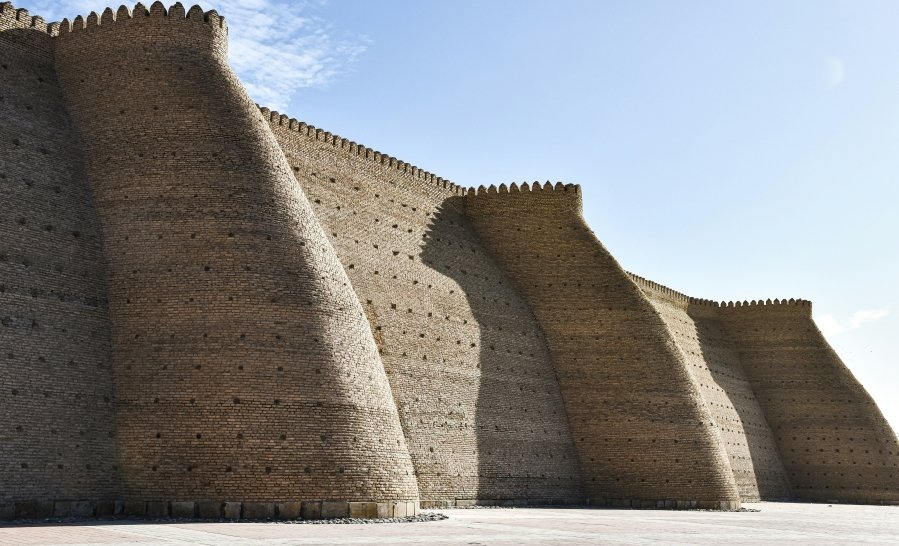
The first thing you’ll notice about Dishan-Kala is its impressive outer walls, which once stretched around the entire city. These mud-brick fortifications were built in the 19th century, standing at around 7–10 meters high. While much of the wall has been lost over time, several sections remain intact, and you can even walk along parts of the wall to take in panoramic views of Khiva and the surrounding desert.
The city’s gates, known as darvazas, are also worth exploring. There were once 11 gates leading into Dishan-Kala, but today, the Tosh Darvoza (Stone Gate) is the most well-preserved. As you pass through, it’s easy to imagine the hustle and bustle of traders and caravans moving goods in and out of the city centuries ago.
Off-the-Beaten-Path Recommendations: Hidden Corners of Dishan-Kala
While the inner city of Ichan-Kala gets most of the attention, there are hidden gems in Dishan-Kala that are often overlooked by tourists. One such spot is the Tim Bazaar, a traditional market where you can still feel the pulse of local life. It’s not as polished as the inner city’s attractions, but that’s part of its charm—this is where the locals shop for daily goods, and you’ll find everything from fresh produce to hand-woven textiles.
Another lesser-known spot is the Allakuli Khan Caravanserai, located just outside the Dishan-Kala walls. This former inn for Silk Road traders is now a museum, where you can learn about the ancient trade routes and the diverse goods that passed through Khiva.
For a quieter experience, head to some of the narrow, winding streets of Dishan-Kala, where local life unfolds far from the main tourist routes. These areas offer a more authentic look at Khiva, complete with mud-brick homes, small courtyards, and local craftsmen going about their work.
Travel Tips and Practical Information:
- Best Time to Visit: The best time to visit Khiva is in the spring (April to June) and fall (September to November), when temperatures are mild and pleasant for walking around the citadel.
- Getting There: Khiva is about a 6-hour drive from the city of Bukhara or a short flight from Tashkent. Once in Khiva, the city is easily walkable.
- Guides: While exploring Dishan-Kala on your own is possible, hiring a local guide is highly recommended. They’ll give you deeper insights into the city’s history and help you discover hidden spots.
- What to Bring: Comfortable walking shoes, a hat, and sunscreen are essential, as the streets can get hot in the summer. Bring some cash for local markets and souvenirs.
Nearby Points of Interest & Landmarks:
- Ichan-Kala: The inner citadel of Khiva is the star attraction and home to some of the best-preserved Islamic architecture in Central Asia. Don’t miss the Kalta Minor Minaret and Juma Mosque with its forest of wooden columns.
- Pakhlavan Makhmud Mausoleum: Located inside Ichan-Kala, this mausoleum is dedicated to Khiva’s patron saint, Pakhlavan Makhmud, and is an important pilgrimage site. Its stunning turquoise dome is one of the highlights of Khiva’s skyline.
- Konya Ark: This fortress within Ichan-Kala was the residence of Khiva’s rulers. Today, it’s a museum offering a glimpse into royal life and fantastic views of the city from its watchtower.
- Kunya Urgench: Just a few hours away, this ancient city in neighboring Turkmenistan was once one of the greatest cities of the Silk Road and offers a fascinating complement to Khiva’s history.
Final Thoughts:
Khiva’s Dishan-Kala Citadel is a journey into the past, offering travelers a mix of grand history and everyday local life. While the inner city of Ichan-Kala might get most of the spotlight, Dishan-Kala’s towering walls, hidden markets, and authentic streets are just as captivating. Whether you’re wandering along the ancient gates or exploring the quieter corners of the outer city, Khiva offers an experience that combines the best of history and culture in one of Uzbekistan’s most beautiful settings. Get ready to uncover the magic of the Silk Road in Khiva!