




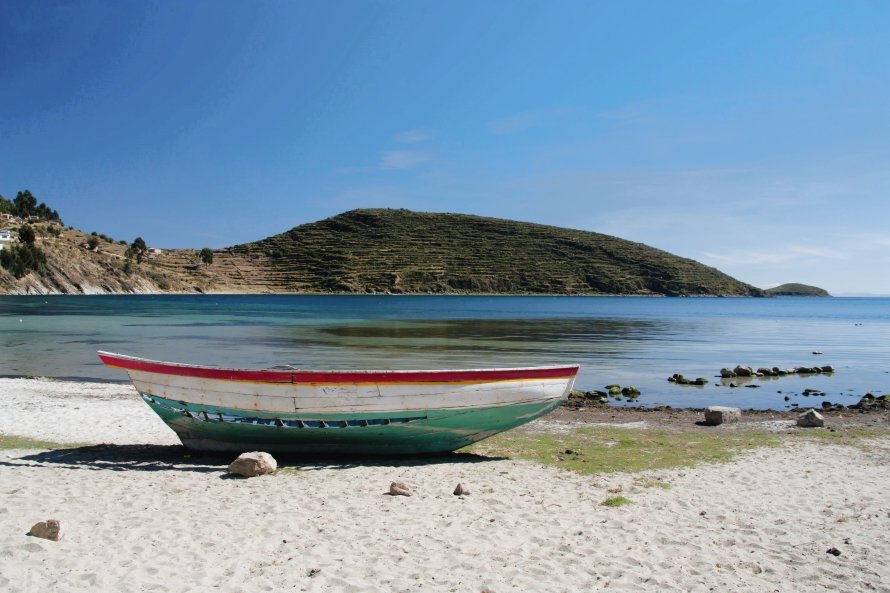
There is an island where ancient ruins sit atop sunlit hills, where stunning blue waters stretch as far as the eye can see, and where time seems to move at its own peaceful pace. Welcome to Isla del Sol, Bolivia, a magical island on Lake Titicaca that promises more than just scenic views. This island is steeped in history, mystery, and breathtaking natural beauty, making it a top destination for travelers seeking both adventure and tranquility. From hiking ancient Incan trails to watching incredible sunsets, Isla del Sol is an unforgettable escape in the heart of Bolivia.
Isla del Sol, meaning “Island of the Sun,” is one of the most iconic spots on Lake Titicaca, the highest navigable lake in the world at over 3,800 meters (12,500 feet) above sea level. This picturesque island holds a special place in Andean mythology, as it is believed to be the birthplace of the Sun God and the first Incas, Manco Cápac and Mama Ocllo. The Inca believed this was where the world began, making it a site of great spiritual significance.
With no paved roads or cars, Isla del Sol has retained its traditional charm and offers a chance to experience authentic Aymara culture. Locals speak both Aymara and Spanish, and their way of life reflects a blend of ancient Inca traditions and modern-day practices. As visitors hike its rugged hillsides, they’ll encounter terraced fields, ancient ruins, and panoramic lake views that seem to transport you back in time.
Exploring Isla del Sol’s Incan Ruins and Hiking Trails
One of the biggest draws of Isla del Sol is its well-preserved Inca ruins, which can be found across the island. One of the most notable is the Chinkana complex in the north, an ancient labyrinth that holds secrets of the Incan civilization. Another highlight is the Pilkocaina Temple, located on the southern part of the island, where you can explore stone rooms believed to have been used for religious ceremonies.
To truly experience Isla del Sol, take the Ruta Sagrada del Sol, or Sacred Route of the Sun, which runs from north to south. This scenic 8-kilometer (5-mile) trail takes you past breathtaking viewpoints, traditional farming terraces, and various ruins, giving you a taste of both the island’s natural beauty and its historic significance. The hike can be challenging at times, especially due to the altitude, but the views make every step worth it.
The Spiritual and Mythological Significance
As you explore the island, you’ll feel the strong spiritual significance of Isla del Sol. The island holds a special place in Incan mythology, as it was believed to be the birthplace of the Sun God, Inti, and where Manco Cápac and Mama Ocllo were sent to found the Inca civilization. Visiting Isla del Sol offers a chance to connect with this ancient belief system and understand the deep reverence the Inca had for nature and the elements.
Locals continue to honor these beliefs today, and it’s not uncommon to find small shrines or offerings scattered throughout the island. Many visitors report feeling a profound sense of peace and connection to nature while walking through the island’s sacred sites.
Panoramic Views and Stunning Sunsets
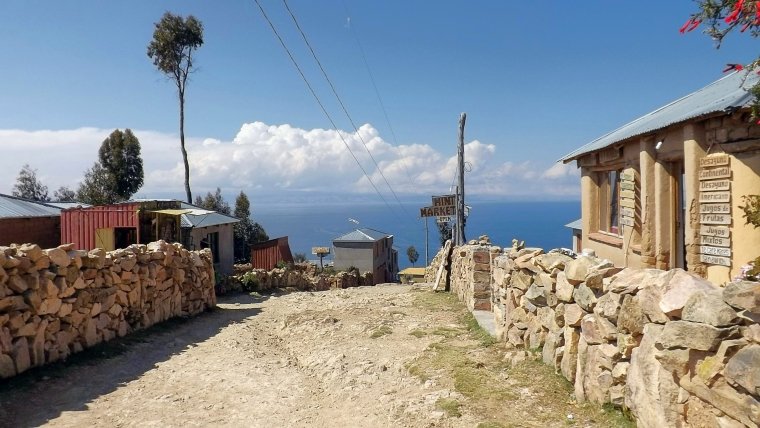
Isla del Sol offers some of the most stunning panoramic views in all of Bolivia. The island is surrounded by the deep blue waters of Lake Titicaca, and from the hilltops, you can see the snow-capped Andes mountains in the distance. One of the best times to experience these views is at sunset, when the sky turns vibrant shades of orange, pink, and purple, casting a magical glow over the lake.
The hike to Pachatata, one of the island’s highest points, is especially popular at sunset. This spot is home to an ancient Aymara shrine and provides 360-degree views of the lake, mountains, and surrounding islands. Watching the sunset here is an unforgettable experience that captures the true essence of Isla del Sol.
Main Attractions
- Chinkana Labyrinth: A fascinating maze-like ruin on the northern side of the island, thought to have been used for religious purposes by the Inca.
- Pilkocaina Temple: A sacred site on the southern end of the island, offering insights into ancient Inca spirituality.
- Sacred Rock: Believed to be the place where Manco Cápac and Mama Ocllo first emerged, marking the island’s connection to the birth of the Inca civilization.
- Pachatata Hill: The best place for panoramic views and stunning sunsets, especially at the ancient Aymara shrine at the summit.
Off-the-Beaten-Path Recommendations
While most visitors stick to the main attractions, there are quieter areas and hidden trails to explore. Venture to the island’s east side, where fewer tourists wander, and discover local farms, secluded beaches, and smaller, lesser-known ruins. Here, you can experience more of the island’s traditional way of life and perhaps even meet local families who work the terraced fields just as their ancestors did.
For a truly unique experience, consider visiting Isla de la Luna, a smaller neighboring island with its own Incan ruins and mythology. Accessible by boat from Isla del Sol, Isla de la Luna is much less crowded and offers a peaceful atmosphere that complements the mystical experience of Isla del Sol.
Local Food and Drink
Bolivian cuisine on Isla del Sol is simple but delicious, with many dishes featuring lake trout, a local specialty. Many restaurants and guesthouses serve freshly caught fish, often accompanied by rice, potatoes, and salad. You’ll also find hearty soups, stews, and quinoa dishes, reflecting the traditional flavors of the Andes. Be sure to try Api, a warm purple corn drink, and mate de coca, a tea made from coca leaves that helps with altitude sickness.
In Yumani, the main village, you’ll find a handful of small eateries and cafes. Many offer lake views and cozy atmospheres where you can relax after a long day of exploring. Since much of the food on the island is locally sourced and prepared, eating here gives you a real taste of traditional Bolivian flavors.
Travel Tips and Practical Information
- Getting There: Boats to Isla del Sol depart daily from Copacabana, a town on the Bolivian side of Lake Titicaca. The boat ride takes about 1.5 to 2 hours.
- What to Bring: Since the island is at high altitude, pack sun protection, a hat, and layers for warmth, as temperatures can vary. Comfortable walking shoes are a must.
- Accommodations: While there are several guesthouses and hostels on the island, they are quite basic, with limited amenities. Yumani offers the most options, ranging from budget to mid-range.
- Cash Only: There are no ATMs on Isla del Sol, so bring enough cash for food, accommodation, and any entrance fees.
- Respect Local Customs: The island is home to indigenous communities, so be mindful of local customs and respect areas marked as sacred or private.
Nearby Points of Interest & Landmarks
From Copacabana, Isla del Sol is just one of many highlights around Lake Titicaca. You can also visit Isla de la Luna, the mythical “Island of the Moon,” believed to be home to a moon temple where Incan priestesses once resided. Back on the mainland, the town of Copacabana offers its own sights, including the Basilica of Our Lady of Copacabana, a beautiful church that’s a pilgrimage site for many Bolivians. For a bit of adventure, try climbing Cerro Calvario for a spectacular view of Lake Titicaca, especially at sunset.
Final Thoughts
Isla del Sol is more than a destination; it’s a journey back in time to a world rich in myth, nature, and tranquility. This enchanting island on Lake Titicaca is a place where history and spirituality are intertwined with Bolivia’s breathtaking landscapes. Whether you’re trekking to ancient ruins, taking in a quiet sunset, or sharing a meal with locals, Isla del Sol offers a uniquely Bolivian experience that is bound to leave a lasting impression. So, come with an open heart and be ready to explore an island that feels like a living piece of ancient mythology.