




Located high in the Andes Mountains of northern Peru, Kuélap is a marvel of ancient engineering and a lesser-known rival to the world-renowned Machu Picchu. With its towering stone walls, narrow entryways, and breathtaking vistas, Kuélap remains one of South America’s most intriguing archaeological sites. It was constructed around 800 AD by the Chachapoya, also known as the “Warriors of the Clouds,” a mysterious pre-Inca civilization. Despite its grandeur, Kuélap often slips under the radar for many travelers. In this guide, we’ll explore its fascinating history, architectural marvels, and how to get there, making Kuélap a must-visit for adventurers and history buffs alike.
History of Kuélap
The story of Kuélap begins with the Chachapoya, a civilization that thrived in the challenging environment of the cloud forests, approximately 3,000 meters (9,800 feet) above sea level. While little is known about their exact origins, the Chachapoya were known for their impressive architectural skills and strategic fortifications.
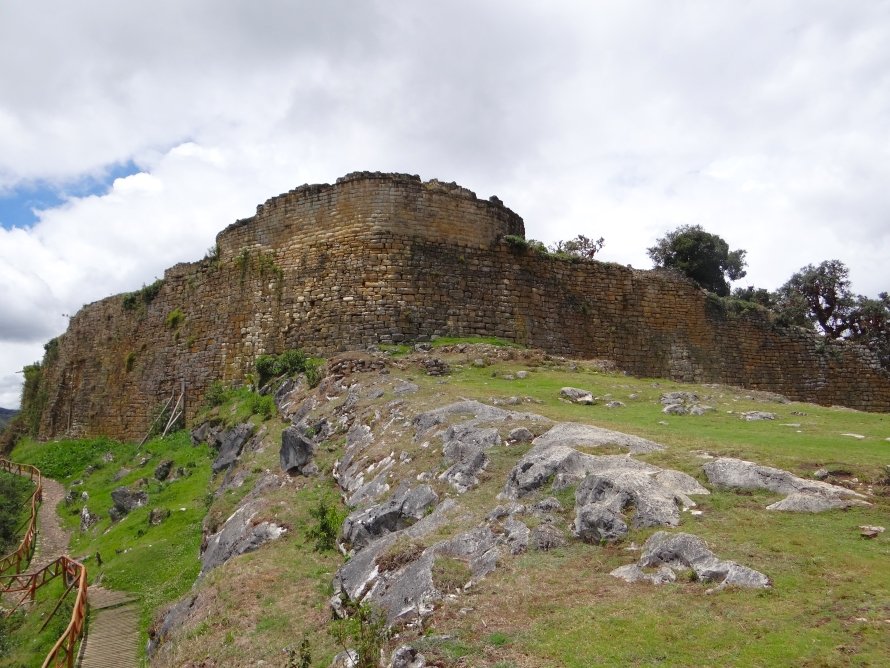
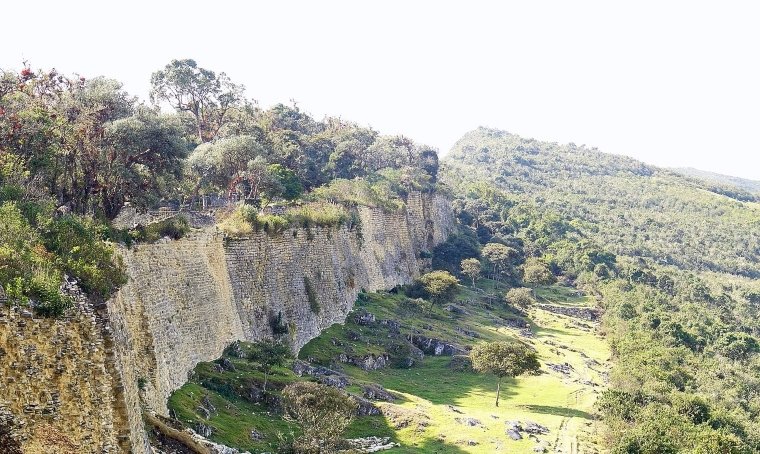
Kuélap, believed to have been built around 800 AD, served multiple purposes. Primarily, it was a fortress, but it was also likely a place of worship, social gathering, and even trade. The Chachapoya chose this mountaintop location for its strategic advantage; the fortress is surrounded by steep cliffs, making it difficult for enemies to approach. However, the site’s massive walls and narrow, easily defensible entrances indicate it was also designed with serious security in mind. The fortress’s walls are up to 20 meters (65 feet) high in some places and constructed from massive limestone blocks—an impressive feat considering the site’s remote location.
The Chachapoya civilization came into direct contact with the expanding Inca Empire in the 15th century. Despite the formidable defenses of Kuélap, the Chachapoya eventually fell to the Incas. The Incas, known for their military prowess, were able to assimilate Kuélap into their empire, using it as a regional stronghold and possibly as a symbol of their dominance. Under Inca rule, Kuélap’s importance gradually declined, and by the time the Spanish arrived in the 16th century, it had largely been abandoned.
Rediscovered in the 19th century by explorers, Kuélap has since captivated archaeologists, historians, and travelers alike. While it hasn’t received the same global attention as Machu Picchu, Kuélap’s significance in understanding the Chachapoya culture and Andean history cannot be overstated. Recent archaeological efforts and government initiatives have brought new attention to the site, allowing visitors to experience a place that was once shrouded in mystery.
Building Details
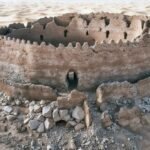
The architectural complexity of Kuélap is awe-inspiring, especially considering it was built centuries before modern construction techniques. Covering an area of around 6 hectares (15 acres), Kuélap consists of more than 400 individual buildings within its walled perimeter. The outer walls are made of massive limestone blocks that weigh several tons each, forming a nearly impenetrable barrier around the settlement.
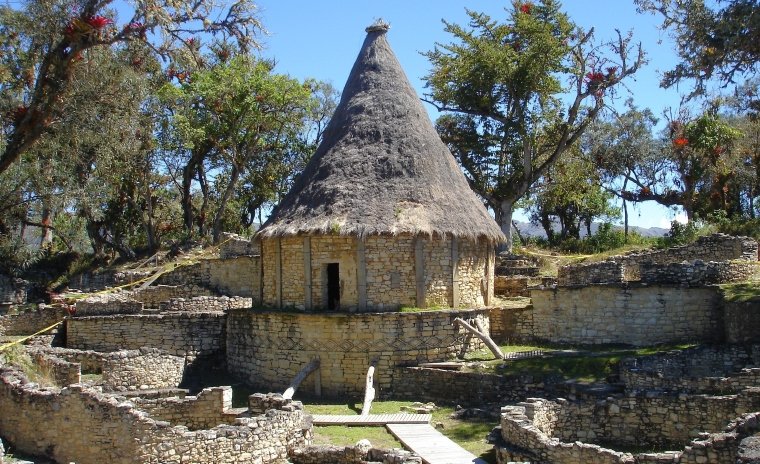
The main entrance to Kuélap is a narrow, winding passageway that narrows further as it reaches the inner complex, which would have slowed and funneled any attackers, giving defenders a significant advantage. Inside, the layout is circular, with individual structures varying in size and function. Many of these structures were homes, but archaeologists have also found evidence of ceremonial and administrative buildings, as well as towers for defensive purposes.
A unique feature of Kuélap’s architecture is the intricate stone carvings found on many of the buildings. These carvings depict zigzag patterns, diamonds, and other geometric shapes. Researchers believe that these symbols had cultural significance to the Chachapoya, although the exact meaning remains a mystery. The use of stones in various hues further adds to the site’s visual appeal, creating striking contrasts across the walls and buildings.
Key Features
- The Grand Walls: Kuélap’s outer walls are among its most remarkable features, towering up to 20 meters (65 feet) high. The walls encircle the entire settlement, making it a true fortress in the sky.
- The Main Entrance: Designed for defense, the narrow entryway is a testament to the Chachapoya’s strategic mindset. This passageway would have made it difficult for large numbers of invaders to enter at once, allowing defenders to fend off attacks more effectively.
- Circular Stone Houses: Many of the structures within Kuélap are circular, a unique characteristic in comparison to other ancient Andean civilizations like the Incas. These circular buildings were used as dwellings, and some feature intricate stone carvings, likely marking the home of someone with high status.
- Torreón (Tower): This prominent tower within Kuélap’s walls is believed to have served as a lookout point, giving defenders a clear view of the surrounding area. The Torreón exemplifies Kuélap’s dual purpose as both a fortress and a residential area.
- Tintero (The Inkwell): A tall, conical structure with an unusual shape, the Tintero has puzzled archaeologists for years. Some believe it was used for astronomical purposes or as a ceremonial site, while others think it could have been a place for offerings.
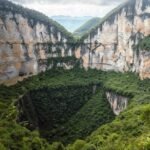
- Panoramic Views: Due to its altitude, Kuélap offers stunning views of the Utcubamba Valley and surrounding cloud forests, which add to the sense of mystique and isolation that characterizes the site.
Getting There
Reaching Kuélap can be an adventure in itself. Most visitors start their journey in Chachapoyas, the main city in the region, located about 73 kilometers (45 miles) away. From there, travelers have a few options to reach Kuélap.
One popular option is the cable car system from Nuevo Tingo, which cuts down travel time significantly. Opened in 2017, the cable car is the first of its kind in Peru and provides a unique perspective of the lush valleys below. The 20-minute ride takes visitors to a point where they can hike the remaining short distance to the fortress. Alternatively, for those who prefer a more traditional route, there are hiking trails that offer a challenging but rewarding trek through the cloud forest.
Nearby Points of Interest & Landmarks
- Revash Mausoleums: Known for its striking cliffside tombs, the Revash Mausoleums are a fascinating site about 60 kilometers from Kuélap. These tombs were carved into rock faces and painted in vibrant reds and yellows. Like Kuélap, the Revash tombs are attributed to the Chachapoya people.
- Gocta Waterfall: One of the tallest waterfalls in the world, the Gocta Waterfall is around 770 meters (2,530 feet) high and is located about two hours from Chachapoyas. It’s a great day trip option for travelers looking to experience Peru’s natural beauty.
- Leymebamba Museum: This museum houses artifacts and mummies recovered from Chachapoya tombs in the surrounding area. It provides valuable context for understanding the people who built Kuélap and offers a closer look at their funerary practices.
- Gran Vilaya: Another impressive archaeological site in the Chachapoya region, Gran Vilaya consists of hundreds of stone structures spread over several kilometers. Like Kuélap, Gran Vilaya is a testament to the engineering prowess of the Chachapoya.
Final Thoughts
Kuélap is one of Peru’s hidden treasures, offering a glimpse into a lesser-known chapter of South American history. With its towering walls, breathtaking mountain views, and rich cultural significance, Kuélap rivals many of the continent’s more famous ancient sites. As more visitors discover this cloud-forest fortress, it’s becoming a symbol not only of the Chachapoya’s resilience but also of the enduring allure of Peru’s ancient past. Whether you’re a history lover, an adventure seeker, or simply looking for a unique destination, Kuélap deserves a spot on your travel list.