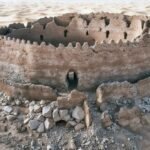





Located in the misty folds of the Pontic Mountains lies Zilkale, a breathtaking medieval fortress that seems straight out of a fairy tale. Perched dramatically on a steep cliff, this historic stronghold offers an unforgettable blend of history, architecture, and jaw-dropping scenery. Whether you’re a history buff, an adventure seeker, or just someone looking to escape the ordinary, Zilkale is the kind of place that stays with you long after your visit. Ready to dive into the magic? Let’s explore this incredible fortress and all it has to offer.
Zilkale, translating roughly to “Bell Castle,” has a history as rich as the verdant landscape that surrounds it. Located in the Çamlıhemşin district of Rize Province in northeastern Turkey, it dates back to the 14th–15th centuries. While its exact origins are debated, it’s believed to have been constructed during the Byzantine or late medieval periods to serve as a military outpost and lookout.
This fortress was a key player in regional defense, keeping a watchful eye over the trading routes snaking through the Kaçkar Mountains. Over centuries, it saw control shift between Byzantine, Georgian, and Ottoman hands, reflecting the cultural and political melting pot of the region. Its strategic location, combined with its architectural ingenuity, ensured it remained a significant stronghold in these turbulent times.
Today, Zilkale is a well-preserved monument and a popular destination for travelers eager to immerse themselves in its historical allure and natural beauty.
The Fort: A Glimpse into History
Location
Zilkale sits approximately 15 kilometers from Çamlıhemşin town, at an altitude of 1,130 meters above sea level. The fortress is dramatically situated on a rocky outcrop overlooking the lush Fırtına Valley, which is known for its roaring rivers and dense forests. The combination of rugged terrain and striking architecture makes Zilkale a sight to behold.
Architecture and Layout
The fortress comprises three main sections:
- Outer Walls – These form the first line of defense, encircling the main complex.
- Inner Courtyard – This is the heart of the fortress, housing various essential facilities.
- Watchtower – The iconic tower at Zilkale’s highest point served as a lookout and final refuge in times of siege.
The limestone walls are impressively thick and weathered, designed to withstand both natural elements and enemy attacks. Stepping inside the fortress, you’ll find remnants of storerooms, barracks, and a small chapel, hinting at the self-sufficient nature of the stronghold.
Arsenal
Zilkale’s arsenal might not have rivaled that of a massive imperial fortress, but it was well-equipped for its role:
- Ballistae and catapults for repelling invaders.
- Armories stocked with swords, bows, and arrows.
- Boiling oil cauldrons for defense against sieges.
- Observation points for early detection of approaching threats.
Facilities and Accessibility
Though it once housed soldiers and civilians, today, Zilkale is all about tourism. The local government has done an excellent job restoring and maintaining the site. There’s a well-marked pathway leading up to the fortress, along with safety rails and viewing platforms that make exploring its walls a breeze. Nearby, small cafes and picnic spots allow visitors to enjoy the surrounding natural beauty.
In Operation
During its heyday, Zilkale served as a vigilant guardian over the trade routes connecting the Black Sea coast to Anatolia. Its commanding position meant it could monitor movement and protect caravans from bandits. It also acted as a refuge for locals during invasions and a center for collecting taxes.
With its strategic importance dwindling after the Ottoman conquest of the region, the fortress eventually fell into disuse. However, its historical significance and picturesque setting have ensured its legacy endures to this day.
Myths and Legends
Like many ancient sites, Zilkale is shrouded in mystery and folklore. One popular tale speaks of hidden tunnels beneath the fortress, said to connect it to other nearby castles. These tunnels were allegedly used for secret escapes and transporting treasure.
Another story tells of a “phantom bell” that rings from the fortress on foggy nights, summoning the spirits of its past defenders. While these myths remain unproven, they add a touch of intrigue to Zilkale’s already captivating charm.
In Popular Culture
Zilkale’s cinematic allure has not gone unnoticed. It has been featured in several Turkish TV dramas and films, often serving as the backdrop for epic battles or romantic moments. The fortress’s ethereal setting has made it a favorite location for photographers, travel bloggers, and Instagram enthusiasts seeking that perfect shot.
Travel Tips and Practical Information
How to Get There
- By Car: From Çamlıhemşin, follow the scenic mountain roads to Zilkale. Parking is available near the site.
- By Public Transport: Minibusses from Çamlıhemşin regularly run to the area, though having your own vehicle offers greater flexibility.
Best Time to Visit
Spring and summer (April–September) are ideal for visiting, with lush greenery and mild weather. Autumn offers stunning foliage, while winter cloaks the fortress in snow for a magical vibe—just be prepared for challenging road conditions.
Entry Fees and Facilities
There’s a small entrance fee, typically around 10–20 Turkish Lira, to explore the site. Restrooms and a visitor center are available nearby, along with small eateries offering local delicacies like muhlama (cheesy cornmeal) and freshly brewed tea.
Nearby Points of Interest & Landmarks
- Fırtına Valley: A hub for outdoor activities like rafting and trekking.
- Ayder Plateau: Known for its thermal springs and alpine meadows.
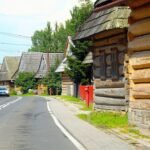
- Pokut Plateau: A Plateau Known for its unique wooden homes and rolling sea of clouds.
- Kaçkar Mountains National Park: A haven for hikers and nature lovers.
- Palovit Waterfall: A stunning cascade located a short drive from Zilkale.
- Şenyuva Bridge: An Ottoman-era stone bridge perfect for scenic photos.
Final Thoughts
Zilkale is more than just a fortress; it’s a portal into a bygone era, surrounded by some of Turkey’s most pristine natural landscapes. Whether you’re wandering its ancient walls, soaking in the views of Fırtına Valley, or diving into local legends, this hidden gem promises an experience you won’t forget. So, pack your camera, lace up your hiking boots, and get ready for an adventure in the heart of the Pontic Mountains. Zilkale awaits!