




Imagine a world where every plant, animal, and even the tiniest organism played a crucial role in keeping the planet balanced. That’s biodiversity in action! From the forests we love to hike through to the oceans that provide half of our oxygen, biodiversity is the invisible force that holds it all together. It’s about the variety of life on Earth, and every piece matters, even the ones we might overlook. In this article, we’ll take a laid-back dive into what biodiversity really means, why it’s so important, and how certain places on Earth are bursting with it.
Biodiversity is short for “biological diversity,” which is essentially the variety of life we see all around us, from the biggest blue whales to the smallest microbes. It covers every form of life, including plants, animals, fungi, and bacteria. These organisms all play a part in maintaining ecosystems and helping them function properly. Earth’s biodiversity has evolved over billions of years, and it’s constantly changing, either due to natural processes or human impact.
Sadly, biodiversity is under serious threat today. Human activities like deforestation, pollution, and climate change have caused many species to go extinct, and ecosystems to degrade. This loss of biodiversity can have major consequences on the environment, food security, and even our health. But it’s not all doom and gloom. There are areas on our planet known as biodiversity hotspots, where nature’s richness is at its peak, and they’re critical to preserving the variety of life on Earth.
What is Biodiversity?
At its core, biodiversity is the variety of life forms that exist in any given ecosystem. It includes everything from the tiniest insects to towering trees, and all the organisms living in between. Biodiversity is often categorized into three levels:
- Genetic Diversity: Differences within species at the genetic level. This variation helps species adapt to changing environments. For example, some trees may be more drought-tolerant than others due to their genetic makeup.
- Species Diversity: The variety of species that exist within an ecosystem. Think of a tropical rainforest – teeming with birds, insects, plants, and mammals. That’s species diversity at work.
- Ecosystem Diversity: This refers to the variety of habitats and ecosystems, like forests, deserts, coral reefs, and wetlands, that host all these species.
Biodiversity isn’t just about counting species—it’s about the roles each of these species plays in their ecosystems. They’re interconnected in a delicate web, and disrupting one thread can have ripple effects throughout the entire system.
What are the Benefits of Biodiversity?
Biodiversity is like nature’s insurance policy—it provides countless services that we rely on every day, even if we don’t always notice them. Here are just a few of the perks biodiversity brings us:
- Ecosystem Services: Healthy ecosystems provide services like clean water, fertile soil, pollination, and air purification. The trees in forests capture carbon dioxide, helping mitigate climate change, while bees pollinate crops, supporting food production.
- Economic Benefits: Biodiversity contributes to industries like agriculture, pharmaceuticals, and tourism. Many of the medicines we use today, like aspirin, come from natural compounds found in plants. Similarly, diverse ecosystems attract tourists, boosting local economies.
- Resilience: Ecosystems with high biodiversity are better able to recover from disasters like fires, floods, and diseases. A biodiverse ecosystem is less likely to collapse because there are more species performing essential roles, providing stability.
- Cultural Significance: Many cultures worldwide are deeply connected to nature, with specific plants and animals holding cultural, spiritual, or historical importance. Protecting biodiversity is also about preserving these cultural values.
Biodiversity Hotspots
Biodiversity hotspots are regions on Earth that are incredibly rich in species, especially endemic species—those that can’t be found anywhere else. These hotspots are under serious threat from human activities and are a high priority for conservation efforts. Some well-known biodiversity hotspots include:
- The Amazon Rainforest: Often referred to as the “lungs of the Earth,” the Amazon is home to thousands of species of plants, animals, and insects. It plays a vital role in regulating the global climate and is a treasure trove of biodiversity.
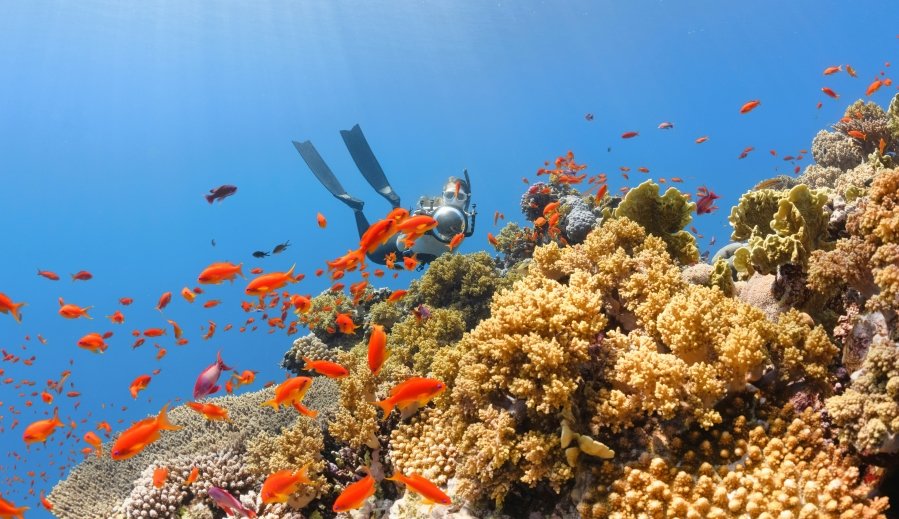
- Coral Reefs: Sometimes called the “rainforests of the sea,” coral reefs support an incredible diversity of marine life, including fish, mollusks, and sea turtles. Coral reefs provide food and income for millions of people worldwide.
- Madagascar: This island is a biodiversity hotspot like no other. Around 90% of its plant and animal species are unique to the island, including lemurs, which can’t be found in the wild anywhere else.
Conserving biodiversity in these hotspots is crucial because once these species are gone, they’re gone for good. Protecting these areas often has a larger impact on global biodiversity than conserving other regions.
Final Thoughts
Biodiversity is more than just a fancy term for nature’s variety. It’s the foundation of life as we know it, supporting everything from the food we eat to the air we breathe. Protecting it isn’t just a task for conservationists—it’s a global responsibility. The good news is, with awareness, sustainable practices, and conservation efforts, we can all play a part in preserving Earth’s rich tapestry of life for future generations. So next time you take a walk in the park or swim in the ocean, remember, you’re part of something much bigger—the incredible web of biodiversity!