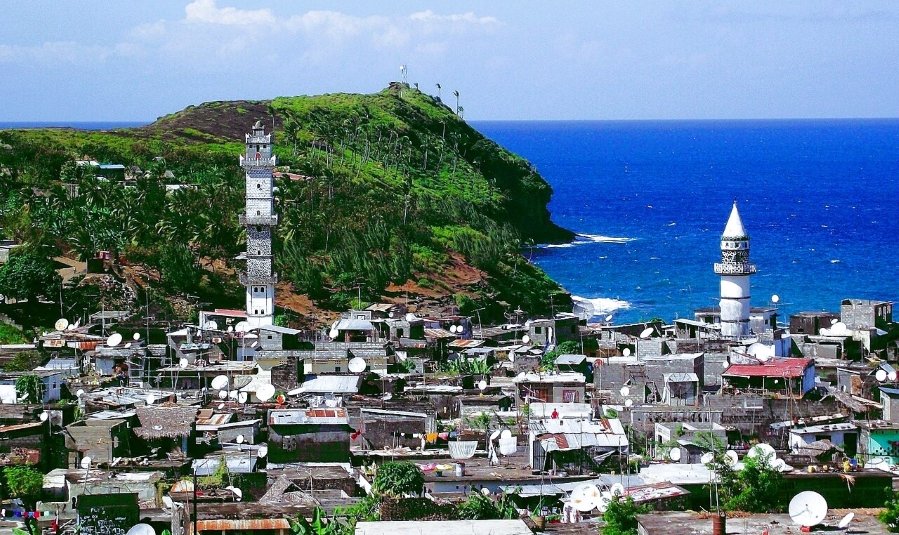





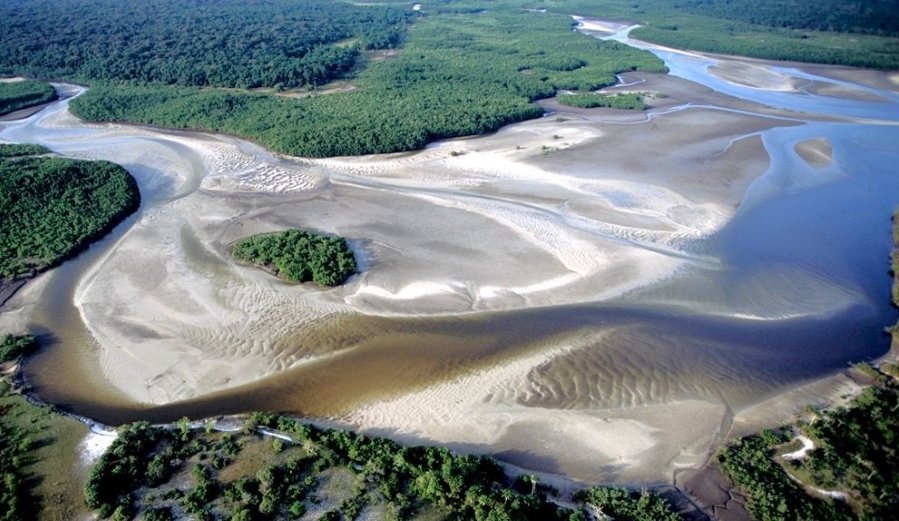
Bissagos Islands,is a stunning archipelago off the coast of Guinea-Bissau. With over 80 islands, most of which remain untouched, the Bissagos offer a rare glimpse into an unspoiled paradise. From rich biodiversity to vibrant local traditions, this is a destination unlike any other. If you’re craving an adventure that steps away from the ordinary tourist paths, pack your bags. The Bissagos are calling!
The Bissagos Islands, also known as the Bijagós Archipelago, is an underrated treasure located in West Africa, just off the Atlantic coast of Guinea-Bissau. Despite its charm, the Bissagos remains relatively unknown to mainstream tourism. This archipelago is home to around 20 inhabited islands, while the rest are left to wildlife, including some unique species like the saltwater hippo and the elusive sea turtle.
The islands have a fascinating history intertwined with indigenous Bijagó culture. The locals here have long-held traditions and customs, many of which center around their deep connection to nature. With the islands protected as a UNESCO Biosphere Reserve, the Bissagos are perfect for those looking to experience eco-tourism at its finest. Whether you’re an explorer, wildlife enthusiast, or just someone seeking peace, the Bissagos Islands have something special to offer.
Main Attractions:
The Bissagos Islands are a dream come true for nature lovers. With lush mangroves, sandy beaches, and dense forests, each island has its own unique ecosystem to explore.
- Orango National Park: One of the highlights is Orango National Park, a haven for wildlife enthusiasts. It’s here you might catch a glimpse of the famous saltwater hippos, a species found nowhere else in Africa! The park is also home to manatees, crocodiles, and numerous bird species.
- Rubane Island: For a more relaxed vibe, Rubane Island offers crystal-clear waters and white-sand beaches. You can enjoy swimming, sunbathing, or simply soaking in the serenity of this lesser-visited island.
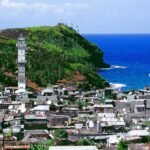
- Bolama Island: This island was once the capital of Portuguese Guinea and is full of colonial-era architecture. Though much of it is in ruins, Bolama provides a glimpse into the area’s colonial past, making it an interesting stop for history buffs.
Off-the-Beaten-Path Recommendations:
For those looking to stray from the typical tourist route, the Bissagos Islands provide plenty of hidden gems:
- Uninhabited Islands Exploration: Some of the uninhabited islands are completely untouched, perfect for a secluded day trip. Hire a local guide to explore these pristine areas, where you’ll feel like you’ve stepped back in time.
- Turtle Nesting Grounds: If you visit during the right season (usually between June and October), you might witness sea turtles laying their eggs on one of the many beaches. The Bissagos are one of the few places where turtles still nest in abundance.
- Bijagó Villages: Visiting local villages offers a rare insight into the traditional way of life. The Bijagó people live much like their ancestors, and many still practice animist beliefs. Witnessing their rituals and learning about their customs is an unforgettable experience.
Local Food and Drink:
Food on the Bissagos Islands is an adventure in itself! Fresh seafood is a staple, with fish, shrimp, and oysters being common ingredients in many dishes. You’ll often find meals cooked with palm oil, creating a distinct and flavorful taste unique to the region.
- Caldo de Peixe: A local favorite, this fish stew is a must-try. Made with freshly caught fish, onions, tomatoes, and sometimes cassava, it’s the perfect comfort food after a day of exploring.
- Jagua Palm Wine: Want to taste something you won’t find anywhere else? Try Jagua, a traditional palm wine tapped fresh from the trees. It’s mildly alcoholic, sweet, and perfect for sipping while watching the sunset over the islands.
Travel Tips and Practical Information
- When to Visit: The dry season, which runs from November to April, is the best time to visit the Bissagos Islands. This period offers pleasant weather and is ideal for wildlife sightings.
- How to Get There: The most common way to reach the Bissagos is by flying into Guinea-Bissau’s capital, Bissau, and then taking a boat or a small domestic flight to the islands. Some islands, like Rubane and Bubaque, have guesthouses and small hotels, but don’t expect luxury—most accommodations are eco-friendly and simple.
- What to Pack: Sunscreen, lightweight clothing, and plenty of bug spray are essentials! Since the islands are relatively remote, it’s wise to pack any medicines or toiletries you might need, as these can be hard to find locally.
- Local Currency and Language: The official language is Portuguese, though many locals speak Creole or their indigenous languages. The currency is the West African CFA franc, and ATMs are rare, so bring cash.
Nearby Points of Interest & Landmarks
While the Bissagos Islands are remote, a few nearby spots are worth exploring if you have extra time:
- Bissau: The capital of Guinea-Bissau is a bustling city with a rich history. Explore its markets, colonial architecture, and vibrant cultural scene before heading to the islands.
- Cacheu National Park: Located on the mainland, this park offers mangroves, wildlife, and historical sites, including remnants of the Portuguese era and the region’s role in the transatlantic slave trade.
Final Thoughts:
The Bissagos Islands are the perfect escape for adventurers, nature lovers, and those looking to step off the beaten path. With their rich cultural heritage, pristine landscapes, and welcoming locals, these islands are sure to leave you in awe. If you’re ready to discover a part of the world that feels untouched by time, make the Bissagos your next destination! / Photo credit