




Viracocha, also known as Wiracocha, Apu Qun Tiqsi Wiraqucha, and Kon-Tiki, is one of the most significant deities in Andean mythology. Revered as the supreme creator god by various pre-Columbian cultures in the Andean region, including the Inca Empire, Viracocha’s influence extends far beyond religious beliefs, shaping the cultural and historical landscape of South America.
Mythology
Creation Myth
In Andean cosmogony, Viracocha emerges as the creator of all things. According to legend, he rose from Lake Titicaca during a time of darkness to bring forth light, order, and civilization. The creation myth describes Viracocha’s acts of cosmic creation:
- Creating the sun, moon, and stars
- Forming the earth and sky
- Breathing life into stones to create humans and animals
Characteristics and Depictions
Viracocha is often depicted as an elderly man with a beard, wearing a long robe and holding a staff. This imagery is significant as it differs from typical Andean appearance, leading to various interpretations and theories about the origin of Viracocha myths.
Key attributes associated with Viracocha include:
- Omniscience and omnipotence
- Association with the sun and water
- Power over natural phenomena like earthquakes and storms
Historical Significance
Pre-Inca Civilizations
Viracocha’s worship predates the Inca Empire, with evidence of his veneration found in earlier Andean cultures such as the Tiwanaku and Wari civilizations. Archaeological findings suggest that the concept of Viracocha as a supreme deity evolved over centuries, incorporating various regional beliefs.
Inca Empire
During the height of the Inca Empire (15th-16th centuries), Viracocha held a preeminent position in the pantheon of gods. The Inca rulers claimed divine descent from Viracocha, using this lineage to legitimize their rule over the vast empire.
Spanish Conquest
The arrival of Spanish conquistadors in the 16th century brought significant changes to Andean religious practices. Some scholars argue that the similarities between Viracocha and the Christian God may have facilitated the process of religious syncretism during the colonial period.
Cultural Impact
Architecture and Art
Viracocha’s influence is evident in Andean architecture and art:
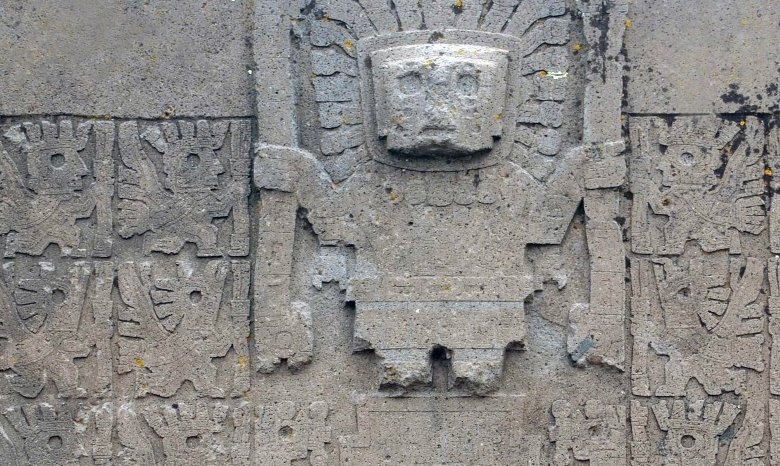
- The famous Gateway of the Sun at Tiwanaku is believed to depict Viracocha
- Numerous temples and shrines were dedicated to the deity across the Andean region
- Textiles, ceramics, and metalwork often featured representations of Viracocha
Language and Literature
The legacy of Viracocha persists in modern Andean languages and literature:
- The name “Viracocha” became a respectful term of address in Quechua
- Oral traditions and myths about Viracocha continue to be passed down through generations
- Contemporary literature often draws upon Viracocha myths for inspiration
Modern Cultural Identity
In present-day Andean countries, Viracocha remains an important symbol of indigenous heritage:
- Revival of traditional beliefs and practices often include reverence for Viracocha
- The deity serves as a point of cultural pride and connection to pre-Columbian roots
- Viracocha imagery is used in various contexts, from tourism to political movements advocating for indigenous rights
Conclusion
Viracocha’s enduring presence in Andean culture demonstrates the profound impact of this mythological figure. From shaping ancient civilizations to influencing modern cultural identity, Viracocha continues to be a powerful symbol of Andean heritage and spirituality. The study of Viracocha offers valuable insights into the rich tapestry of South American history, religion, and cultural evolution.