




Nestled in the shimmering waters of Phang Nga Bay, Ko Panyi is a floating village that defies expectations. Built entirely on stilts, this remarkable community of Thai Muslims has become a hidden treasure for adventurous travelers. Unlike the crowded tourist spots of Phuket or Krabi, Ko Panyi offers a unique blend of culture, tradition, and stunning scenery. Whether you’re into authentic local experiences or just want to see a floating football field, Ko Panyi should definitely be on your travel radar. Let’s dive into what makes this off-the-beaten-path village so special.
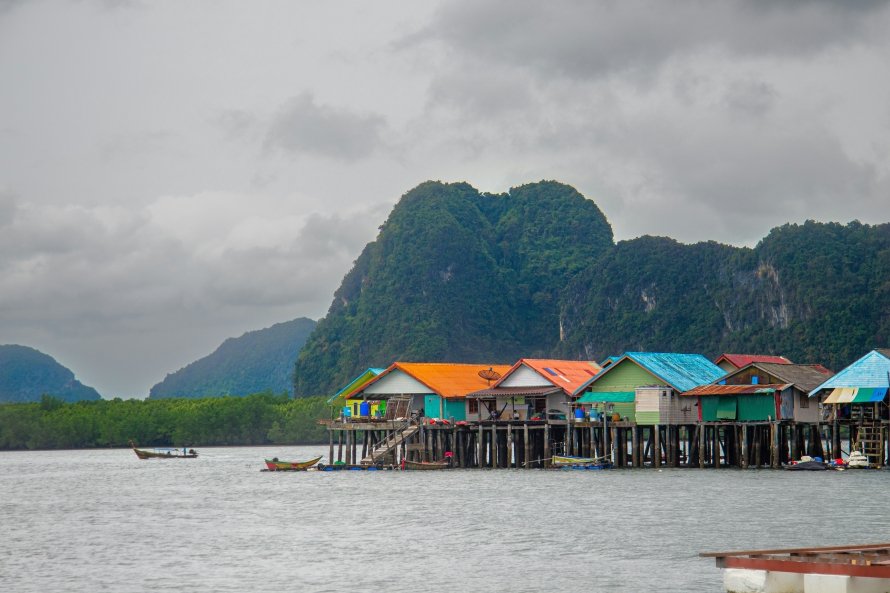
Ko Panyi, also known as Koh Panyee, is a small fishing village established over 200 years ago by Indonesian nomads. The village floats on water, supported by a network of wooden stilts, with a limestone cliff towering in the backdrop. The founders, unable to own land due to local restrictions, ingeniously built their entire community on the sea. Today, it’s home to about 1,600 people, primarily from Muslim families who have lived here for generations.
Despite its modest size, Ko Panyi is world-famous for its floating football field, an inspiring symbol of local innovation. The village kids, passionate about soccer, constructed the field using makeshift materials from old fishing boats and discarded wood. Their determination paid off; the Panyi football team became one of the best in southern Thailand. This story of resilience and creativity reflects the spirit of the entire village. Ko Panyi offers visitors a rare peek into a community where tradition, culture, and ingenuity collide.
Off-the-Beaten-Path Recommendations:
Most travelers come to Ko Panyi on a day trip, but to truly appreciate the village, consider staying overnight. Here’s why:
- Explore Early Morning Markets: Beat the tourist crowds and explore the village at sunrise. Local fishers unload their catch, and you can witness daily life in its purest form.
- Boat Rides Through Mangroves: Rent a longtail boat to navigate the mangrove forests surrounding Ko Panyi. These peaceful waterways are home to wildlife like eagles, kingfishers, and even otters.
- Floating Football Field: Don’t miss visiting the village’s famous floating football field. If you’re lucky, you might even catch a game! The view of the limestone cliffs in the background makes for a breathtaking scene.
- Artisan Souvenirs: Support local businesses by buying handcrafted items like wooden carvings and traditional Muslim attire. Many artisans use techniques passed down through generations.
Local Traditions and Legacy:
The culture of Ko Panyi is deeply rooted in Islam, and you’ll notice this in the village’s architecture and lifestyle. The mosque at the heart of the village is the center of religious life, with five daily calls to prayer resonating across the water. Despite the influx of tourists, residents maintain their traditions with pride. You’ll see women wearing hijabs and long skirts, while men don skullcaps and traditional attire.
Ko Panyi’s legacy is tied to its connection to the sea. Most families make their living through fishing, just as their ancestors did. The village also has a long-standing reputation for building sturdy wooden boats. Skilled carpenters here have been passing on this trade for generations, and you’ll find boat-building workshops scattered throughout the village.
Local Food and Drink:
One of the best ways to experience Ko Panyi’s rich culture is through its food. As a fishing village, seafood is the heart of every meal. Here’s what to try:
- Grilled Fresh Fish: Caught daily, fish is often grilled whole and served with spicy dipping sauces.
- Tom Yum Goong: A classic Thai soup, Tom Yum Goong in Ko Panyi has a local twist with freshly caught shrimp.
- Fried Rice with Crab: Simple yet flavorful, this dish uses local crabs and aromatic spices for a rich, savory taste.
- Sweet Coconut Milk Desserts: Don’t miss the traditional Thai sweets made from coconut milk and palm sugar—an excellent way to finish your meal.
Drink options are mostly non-alcoholic due to the village’s Muslim customs. However, fresh coconut water and local herbal teas are popular.
Major Events:
Ko Panyi hosts a handful of local events that visitors may want to catch:
- Islamic Festivals: As a Muslim village, Ko Panyi celebrates Islamic holidays like Ramadan and Eid with communal prayers, feasts, and charity events. Visitors are often welcomed to observe these cultural celebrations.
- Annual Fishing Competitions: Fishing is not just a livelihood but a community sport. Competitions are held annually, and they’re an exciting way to witness the village’s competitive spirit.
- Football Tournaments: If you’re visiting during a local tournament, the floating football field comes alive with energy. The villagers take their football seriously, and it’s a spectacle you won’t want to miss.
Travel Tips and Practical Information:
- Best Time to Visit: The best time to visit Ko Panyi is from November to April, during the dry season when the waters are calm, and the weather is ideal for outdoor activities.
- How to Get There: The easiest way to reach Ko Panyi is by longtail boat from the mainland at Phang Nga. Many tours offer day trips that include a stop at Ko Panyi along with other local attractions like James Bond Island.
- Accommodation: Although most visitors come for the day, there are a few homestays in the village. Staying overnight gives you a better chance to immerse yourself in local life.
- Respect Local Customs: As Ko Panyi is a Muslim village, it’s important to dress modestly and respect local customs, especially around the mosque.
- Language: While some locals speak basic English, learning a few Thai phrases can go a long way in enhancing your experience.
Final Thoughts:
Ko Panyi is more than just a pretty spot on the tourist trail. It’s a living, breathing community with a rich history, enduring traditions, and a way of life that’s intrinsically linked to the sea. Whether you’re kayaking through mangroves, savoring fresh seafood, or chatting with locals about their football legacy, Ko Panyi offers an experience that goes far beyond sightseeing. It’s a chance to slow down, step off the beaten path, and see a different side of Thailand—one that’s as inspiring as it is unforgettable.