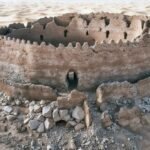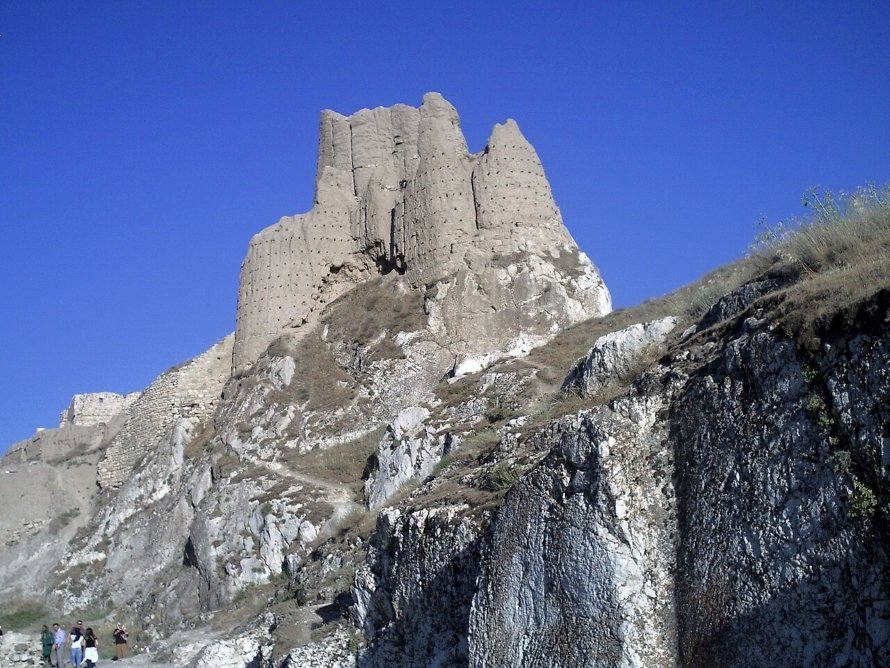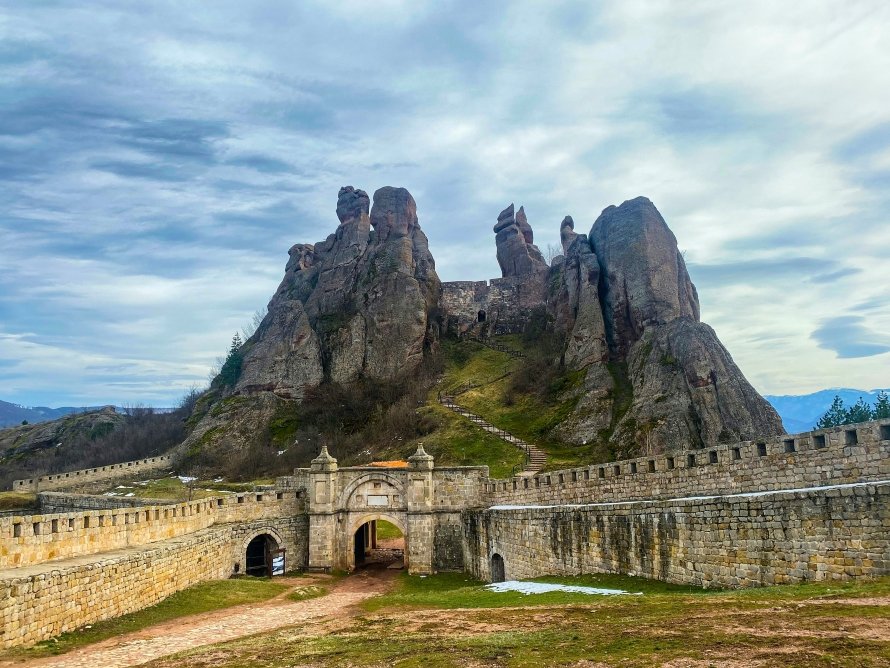





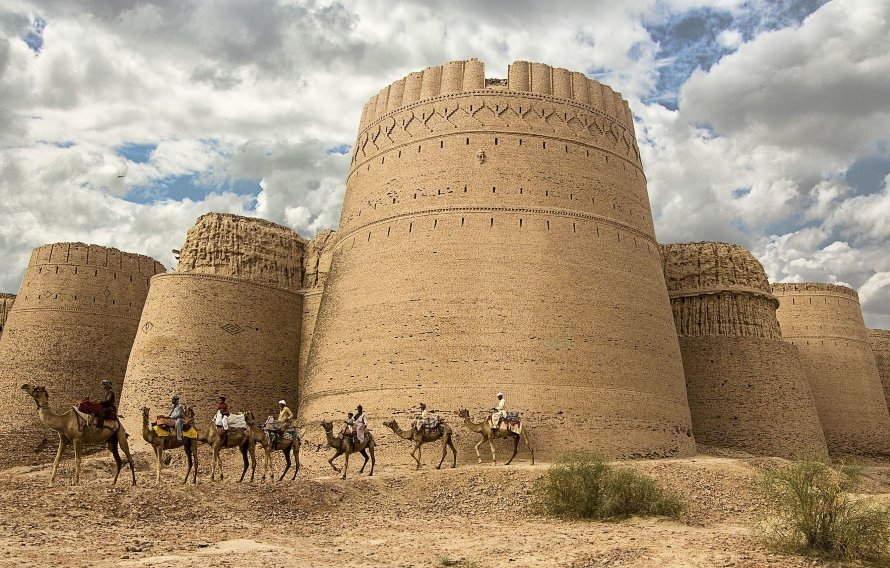
Located in the golden sands of Punjab’s Cholistan Desert, Derawar Fort stands as a testament to Pakistan’s rich history and architectural prowess. This colossal square-shaped fort, with its 40 bastions visible from miles away, is a visual treat for history buffs and adventurers alike. Built centuries ago, Derawar is not just a symbol of strength but also a reminder of the region’s cultural legacy. Let’s dive into the fascinating details of this desert marvel, uncovering its mysteries, history, and practical travel tips!
Derawar Fort dates back to the 9th century, originally constructed by a Hindu Rajput ruler, Rai Jajja Bhatti. Later, in the 18th century, it was captured and rebuilt by Nawab Sadeq Mohammad Khan I of Bahawalpur. The fort was a significant defensive stronghold and a beacon of power for the Nawabs of Bahawalpur, ensuring their dominance over trade routes and desert regions.
Located approximately 95 kilometers south of Bahawalpur, Derawar Fort lies amidst the barren but beautiful Cholistan Desert. This desert, historically part of the Indus Valley Civilization, was once a flourishing trade hub. Today, it holds cultural festivals and camel treks, attracting tourists and historians alike.
Despite its grandeur, Derawar Fort is often overlooked in mainstream tourism, making it a hidden gem waiting to be explored. Its architecture, history, and myths make it a must-visit for anyone passionate about uncovering the stories of the past.
The Fort: An Architectural Marvel
Description:
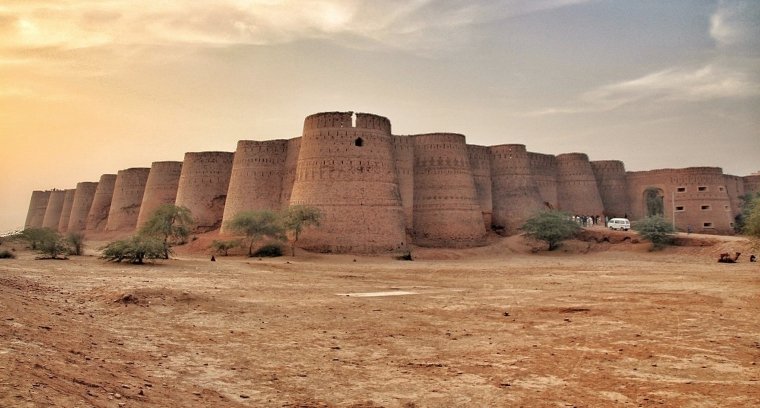
Derawar Fort is a square fortress with a circumference of about 1,500 meters, and its walls rise to 30 meters high. Its 40 massive bastions, visible from a distance of 10 kilometers, create a majestic silhouette against the desert sky. The fort’s walls were built with baked bricks, a rare sight in the arid region, showcasing remarkable craftsmanship.
Location and Accessibility:
Located in the Cholistan Desert, Derawar is approximately a two-hour drive from Bahawalpur. The journey involves traversing sandy paths and narrow roads, so a 4×4 vehicle is recommended. While the fort is technically under private ownership by the Abbasi family, visitors can explore parts of it with prior permission.
Facilities Around the Fort:
- Basic Amenities: Since the fort is in a remote area, facilities like restaurants and restrooms are minimal. It’s wise to carry water, snacks, and other essentials.
- Nearby Lodgings: Accommodations are available in Bahawalpur city, ranging from budget hotels to luxury options.
- Tour Operators: Some local tour guides offer camel treks and jeep safaris to make your visit memorable.
Arsenal and Historical Artifacts:
While most of the fort’s arsenal and artifacts have either been looted or moved, some remnants of ancient weapons and stone inscriptions are still visible. These pieces offer a glimpse into the fort’s military importance in defending trade routes and local settlements.
In Operation: Life Inside the Fort
In its heyday, Derawar Fort wasn’t just a military outpost but a thriving hub of activity. Soldiers, artisans, and traders coexisted within its walls. The fort’s strategic location made it a critical point for controlling desert trade routes.
- Military Operations: Equipped with archers and canons, Derawar was a formidable force against invaders.
- Water Management: Ingenious water storage systems collected rainwater, ensuring the fort’s inhabitants could endure long sieges.
- Cultural Activities: The fort hosted royal ceremonies and gatherings, reflecting the grandeur of the Nawabs’ lifestyle.
Myths and Legends of Derawar
Derawar Fort isn’t just steeped in history but is also surrounded by myths:
- Hidden Treasures: Local legends speak of hidden tunnels and treasure chambers beneath the fort, guarded by spirits.
- Cursed Bastions: Some believe the fort’s walls are cursed, and anyone who attempts unauthorized excavation meets a mysterious fate.
- The Wandering Souls: Locals claim to hear eerie whispers and see apparitions near the fort at night, adding a supernatural allure.
In Popular Culture
Derawar Fort has inspired countless artists, filmmakers, and writers:
- Photography Hotspot: The fort is a favorite among photographers for its majestic silhouette against the desert landscape, especially during sunrise and sunset.
- Documentaries: Several documentaries have showcased Derawar, emphasizing its architectural and historical significance.
- Festivals: The Cholistan Desert Rally, an annual jeep racing event, brings life to the otherwise tranquil surroundings of the fort.
Travel Tips and Practical Information
- Best Time to Visit:
- The ideal time to visit is between November and March, when the weather is cooler. Avoid summer months as temperatures can soar above 45°C (113°F).
- How to Get There:
- From Bahawalpur, hire a 4×4 jeep or book a guided tour for a hassle-free experience.
- Ensure your vehicle has spare tires and adequate fuel, as facilities are sparse en route.
- What to Carry:
- Plenty of water and snacks.
- Sunblock, hats, and sunglasses for protection against the sun.
- A camera or smartphone to capture the fort’s stunning views.
- Permissions:
- Since the fort is privately owned, obtaining permission beforehand is crucial to avoid disappointment.
Nearby Points of Interest & Landmarks
- Cholistan Desert:
- Explore the vast desert on camelback or take part in the annual Cholistan Jeep Rally.
- Abbasi Mosque:
- Located near the fort, this stunning white marble mosque mirrors the elegance of Delhi’s Jama Masjid.
- Bahawalpur City:
- Visit Noor Mahal, Darbar Mahal, and Bahawalpur Museum to immerse yourself in Nawabi history.
- Lal Suhanra National Park:
- A short drive from Bahawalpur, this park is perfect for nature lovers, offering opportunities to spot blackbucks and other wildlife.
Final Thoughts
Derawar Fort is more than just a historical structure; it’s a gateway to Pakistan’s vibrant past and the mysteries of the Cholistan Desert. Whether you’re an adventurer, history enthusiast, or simply someone seeking an offbeat travel experience, Derawar promises unforgettable memories. So pack your bags, set your GPS, and get ready to be awestruck by this desert wonder! / photo credit.